
Vandaag of morgen in huis

Kwaliteit gegarandeerd

Welkomstaanbiedingen ontgrendelen: GRATIS bezorging | Tot 80% korting | Gratis 30 dagen JoyPlus-proefperiode
Download de app
Asian noodles are handy for a quick noodle soup, a stir-fry or a cold lunch. Yet udon noodles, instant noodles, ramen noodles, somen noodles, soba noodles and shirataki noodles differ greatly in preparation, texture and ingredients. If you only look at the packaging or flavour name, you could end up buying a product that doesn't suit the dish you have in mind.
The Joybuy Product Recommendation Officer is here to help you make a practical choice. Pay particular attention to the cooking method, allergens, portion size and the type of dish you plan to use the noodles for.
Some instant noodles and ready-to-eat udon varieties only need reheating. Other products must first be boiled in water and then stir-fried. A pack that's suitable for the microwave may therefore have a different use than dried Chinese noodles.
Always check:
Sauces with names like curry, teriyaki, Kung Pao or miso may contain soya, peanut, sesame, milk, egg, fish or pork ingredients, among others. With Japanese noodles and Chinese noodles, wheat is also often a main ingredient.
So always read the allergen information on the packaging. Product details on a website can change; the current packaging remains the definitive source.
A bag of 1.82 or 2 kilograms can be handy for a large household, catering or meal prepping. For occasional use, however, a smaller pack may be more practical. Also pay attention to the shelf life after opening and whether the packaging can be resealed airtight.
For consumers with an allergy or a specific diet, the ingredients are more important than the front of the pack. Udon and somen usually contain wheat. Soba can contain both wheat and buckwheat. Shirataki is described in the product information from City Aroma as free from the 14 main EU allergens, but always check the current packaging too.
If you want to eat vegetarian or vegan, you also need to be careful with broths and flavour sachets. A product with a vegetable flavour doesn't automatically contain only plant-based ingredients.
A portion of around 200 to 270 grams can be suitable for a quick meal. Multipacks and boxes with individually wrapped portions are more practical for families, store cupboards and heavy users. With seasoned noodles, separate sauce, oil and topping sachets are handy if you want to adjust the flavour, but they can also contain extra allergens.
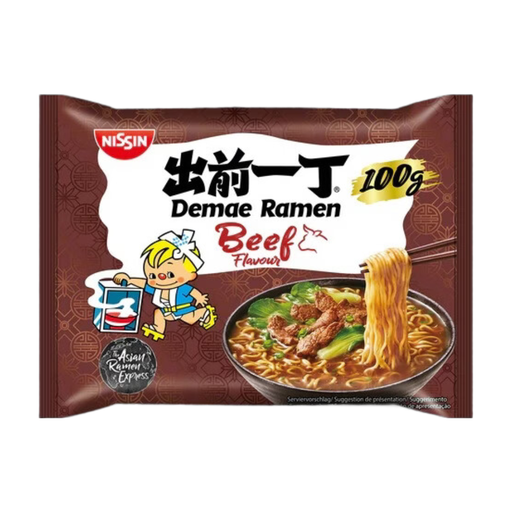
Why this fits the profile: A single portion of instant noodles is practical if you want to try a familiar base first without buying a large stock.
The portion size and cooking method are clearly stated. However, check for the presence of gluten, soya, milk and celery before ordering.
100 grams per pack and a flavour sachet with beef flavour. According to the product information, it is made in the Netherlands.
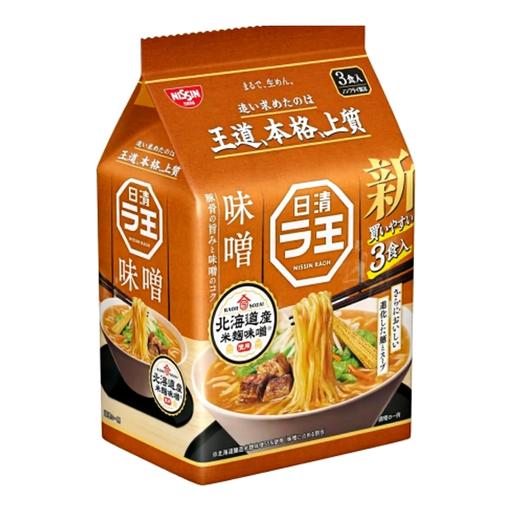
Why this fits the profile: The pack contains three portions and suits anyone who wants to prepare Japanese ramen noodles with a miso broth.
The product information states three portions, ingredients and allergens. The broth contains soya, sesame, chicken and pork, among other things.
Miso flavour, wholewheat noodles according to the product description and origin stated as Japan.
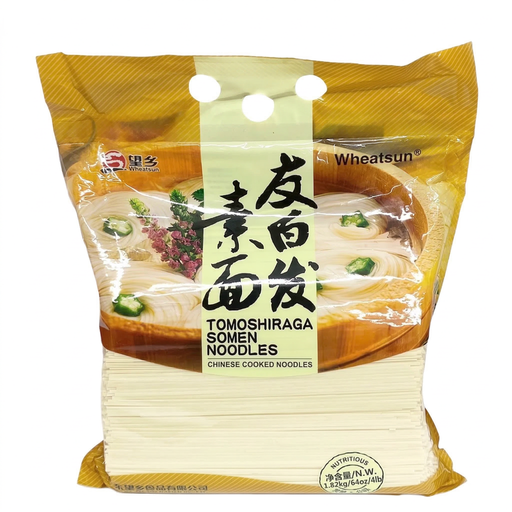
Why this fits the profile: The large pack is suitable for families, stock management, gatherings and professional use.
The product description mentions multiple uses: soup, stir-fries and cold dishes. This means you don't need to buy a different noodle type for every recipe.
1.82 kilograms of dried somen noodles, with wheat flour, water and salt as the listed ingredients.
We've put together a full, up-to-date list of products that fully meet these strict selection criteria and comply with current European safety regulations.
Instant noodles and pre-cooked udon noodles are usually the most practical. Some udon bowls are ready in 2 to 3 minutes in the microwave, according to the product information. Dried somen, soba and Chinese noodles usually need to be prepared in boiling water first.
Store dried noodles in a cool, dry place away from direct sunlight. Seal an opened pack tightly. Fresh or ready-to-eat noodles may have different storage instructions. So follow the directions on the packaging and use an opened product according to the stated instructions.
Udon noodles, somen and many stir-fry noodles are suitable for stir-fries. For a firm result, choose a noodle that holds its shape according to the cooking instructions. Add sauce and oil only after the noodles have been drained, unless the packaging specifies a different method.
