
Vandaag of morgen in huis

Kwaliteit gegarandeerd

Welkomstaanbiedingen ontgrendelen: GRATIS bezorging | Tot 80% korting | Gratis 30 dagen JoyPlus-proefperiode
Download de app
Asian noodles vary considerably in their ingredients, texture, preparation time and uses. Fine rice vermicelli behaves differently in a Vietnamese soup than a broad potato-starch noodle in hotpot. If you focus only on the packaging, origin or terms such as “authentic”, you may end up buying a product that is not suitable for the dish you have planned.
This guide helps you compare your options with confidence. Discover what to look for in glass noodles, rice noodles, vermicelli, Korean noodles, Chinese noodles, udon noodles and instant varieties.
“Vermicelli” can refer to rice noodles, mung bean noodles or other thin noodles. Always check the ingredients list. A product made with rice flour and water has different properties from a noodle made with sweet potato starch or wheat flour.
Pay attention to allergens too. Wheat contains gluten, while some rice- or starch-based products are listed as containing none of the 14 major EU allergens. Check the packaging yourself each time you buy, as ingredients and recipes can change.
Some instant noodles are prepared with boiling water. Other dried noodles need to be soaked first and then boiled briefly. If you cook rice noodles for too long, they may become soft; if you do not hydrate glass noodles sufficiently, they may remain tough.
Always follow the instructions on the packaging and adjust the preparation to suit the dish. For stir-fries, noodles can often be left slightly firmer, as they will continue cooking in the pan.
A 750-gram or 1-kilo pack is handy for families, meal prep and regular cooking. If you only use noodles occasionally, a smaller pack may be more practical. Once opened, dried noodles should be kept tightly sealed, somewhere dry and away from moisture.
With ready-to-eat noodle bowls and spicy packs, the serving includes the sauce and seasonings. So check the nutritional information per serving, not just per 100 grams. The salt content in particular can vary considerably depending on the seasoning or sauce sachets.
The diameter partly determines how a noodle behaves. Fine rice vermicelli is suitable for light soups, spring rolls and salads. According to the product description, Vifon Banh Pho Bong Lua Vang has a diameter of 3 mm, making it suitable for pho, stir-fries and noodle soups.
Broad starch noodles hold more sauce and offer a firm, chewy bite. This makes them an interesting choice for hotpot and spicy sauces. For a stir-fry, choose a variety that retains its texture after soaking or cooking.
Check three things:
For example, according to the product information, 340-gram Wang Korean-Style Vermicelli Noodles require around 20 minutes of soaking followed by 6 to 7 minutes of boiling. According to the description, 400-gram Sunlee Rice Vermicelli Noodles can be soaked for 3 to 5 minutes or boiled for 2 to 3 minutes. These differences matter when you want to cook quickly.
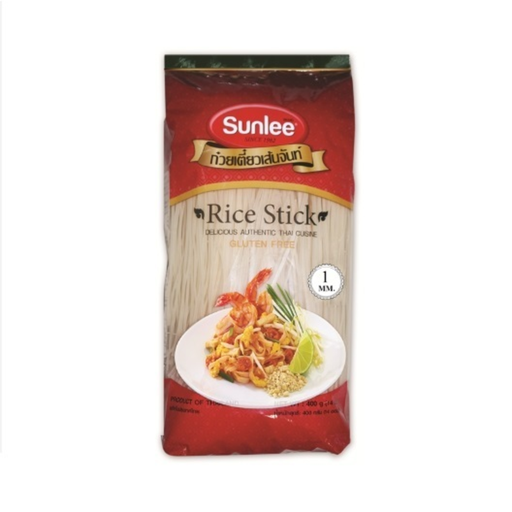
Why it suits this profile: A versatile base for pho, pad thai, salads, soups and spring rolls. The 400-gram pack is practical for regular home cooking.
The ingredients are clearly listed as rice flour and water. The preparation time is clearly explained: soak briefly or boil for a few minutes.
400 g pack; rice flour and water as ingredients; according to the product information, suitable for vegetarian and vegan dishes.
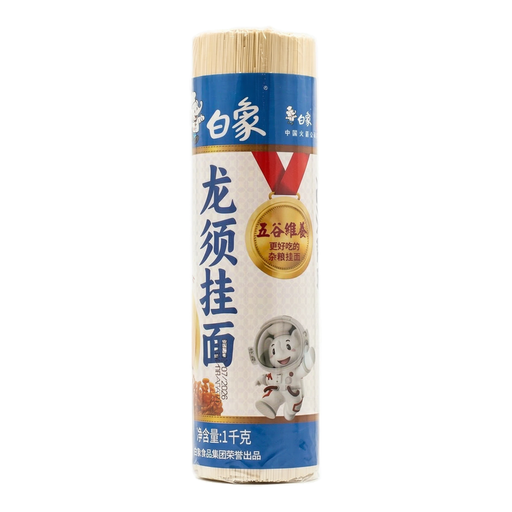
Why it suits this profile: For home cooks who want a generous supply of Chinese wheat noodles for soups, sauces and stir-fries.
The product specification lists one main ingredient: wheat flour. This makes it clear in advance that it is not a gluten-free rice or glass noodle.
1 kg net weight; very thin noodles; according to the preparation instructions, boil for approximately 5 to 6 minutes.
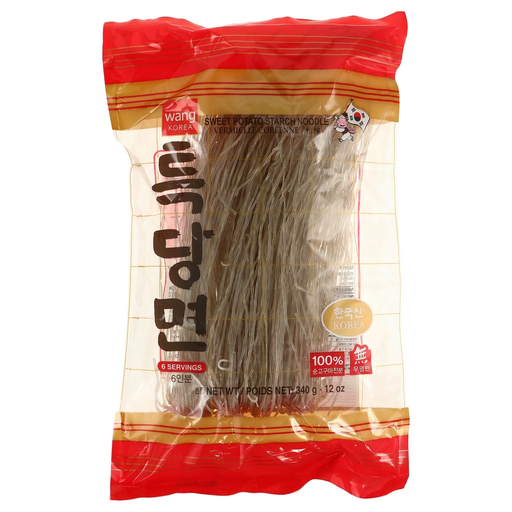
Why it suits this profile: A targeted choice for Korean japchae, hotpot, salads and substantial stir-fries where an elastic texture is preferred.
The ingredients list states 99.9% sweet potato starch and water. The separate soaking and cooking stages help prevent the noodles from cooking unevenly.
340 g pack; transparent sweet potato noodles; according to the product information, suitable for a range of gluten-free dishes, provided this is confirmed on the packaging.
We have put together a complete, up-to-date list of products that fully meet these strict selection criteria and the applicable European safety regulations.
Glass noodles usually become transparent when cooked and are often made from starch, such as mung bean, potato or sweet potato starch. Rice noodles are made from rice flour and generally remain white or light in colour. Both types are suitable for soups, salads and stir-fries, but the texture varies from product to product.
Cook or soak the noodles according to the instructions on the packaging and drain them thoroughly straight away. For cold dishes, you can rinse them briefly with cold water. For stir-fries, only add the noodles once the sauce and other ingredients are ready. Soaking or cooking them for too long increases the risk of a soft, sticky texture.
Unopened dried noodles generally have a long shelf life; check the date on the packaging. Store them somewhere cool and dry, away from direct sunlight. Once opened, seal the pack securely to limit moisture absorption. For instant products containing sauce or vegetable sachets, you should also follow the product date and storage instructions on the packaging.
