
Vandaag of morgen in huis

Kwaliteit gegarandeerd

Welkomstaanbiedingen ontgrendelen: GRATIS bezorging | Tot 80% korting | Gratis 30 dagen JoyPlus-proefperiode
Download de app
Picking a pack of Asian noodles might seem straightforward, until you're standing in front of the shelf or browsing an online range. Rice noodles, udon, glass noodles and Chinese noodles differ greatly in ingredients, thickness, preparation and use. The wrong type can fall apart in a stir-fry, turn too soft in soup, or not suit a particular allergy.
With this practical guide, you'll focus on three key points: the main ingredient, the noodle thickness and the cooking method. From there, you can make a more informed choice from popular options for stir-fries, soups, salads and spring rolls.
Labels like "Japanese noodles", "Chinese noodles" or "Vietnamese noodles" don't always tell you enough about how to use them. Udon, for example, is thick and firm, whereas Vietnamese rice vermicelli is fine and softens quickly. So always check the ingredient and the recommended preparation method.
According to the product information provided, rice noodles and glass noodles often contain none of the 14 main EU allergens. However, a pack may still carry a warning about possible traces of, say, soya. With wheat noodles, udon and egg noodles, gluten or egg are part of the ingredients themselves. Always read the current label before you order or cook.
Fine rice vermicelli sometimes only needs soaking, whereas udon needs to be rinsed or boiled. Noodles that go straight into a hot wok can therefore become overcooked. Pay attention to instructions such as soaking, boiling, rinsing and do not consume raw.
Thin noodles absorb flavour quickly and are handy for light soups or salads. Thicker udon noodles have more bite and stay more recognisable in a robust broth or stir-fry. With rice sticks, the size matters: Sunlee Vietnamese Rice Stick Noodles are 1.2 mm thick, while other varieties are extra-fine or wider.
For occasional cooking, 200 to 400 g is practical. If you often make Asian dishes, you might consider a bulk pack. Sunlee Longkou Vermicelli is packed in 1,000 g portions, and SUKI Udon Noodle comes as 6 packs of 200 g. For catering, restaurants or large households, Fu Xing FX Udon Noodle is available as 30 bags of 200 g.
With bulk packs, check the best-before date and storage space, and make sure to seal the pack properly after opening.
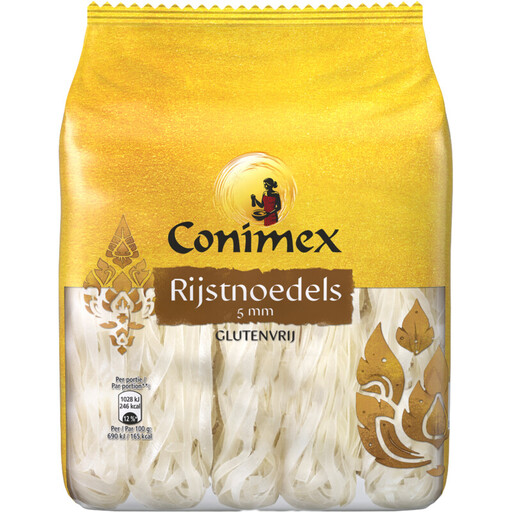
Why this fits the profile: According to the product information, these 5 mm rice noodles can be prepared in around 3 minutes and are suitable for stir-fries and Asian soups.
The packaging clearly states that the noodles must first be rehydrated and should not be consumed raw.
Rice flour and tapioca starch form the base; according to the product information, these noodles are free from the 14 main EU allergens.
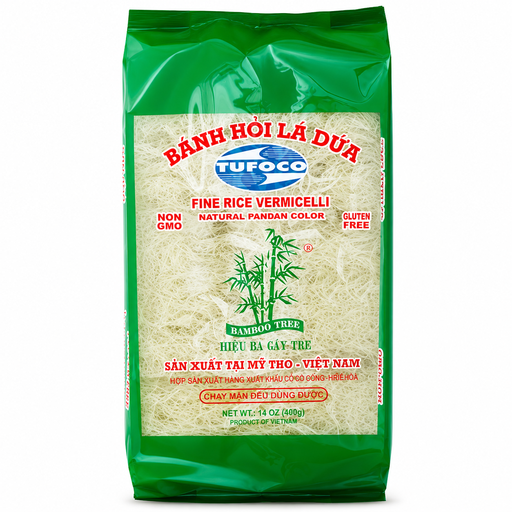
Why this fits the profile: The extra-fine texture is designed for Vietnamese bún, soup, fresh spring rolls and light salads.
The preparation method mentions both 5–7 minutes of soaking and 2–3 minutes of boiling, so you can adjust the fine texture to your dish.
88% rice, gluten-free according to the product description, and pandan leaf as a natural colouring.
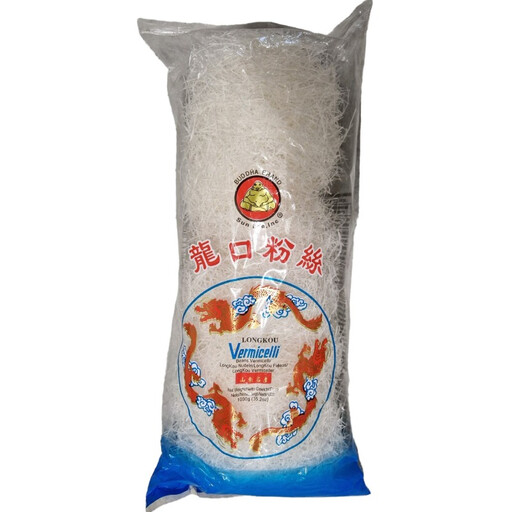
Why this fits the profile: The bulk pack is practical for frequent home cooks, large families, catering or fans of hotpot and stir-fries.
The product information lists mung bean starch and water as ingredients, as well as uses for soup, salad, spring rolls and stir-fry dishes.
1,000 g pack; naturally gluten-free according to the product description. The packaging does mention possible traces of soya and wheat.
We've put together a full, up-to-date list of products that fully meet these strict selection criteria and comply with current European safety regulations.
Rice noodles, rice vermicelli and glass noodles can be a suitable choice when the packaging confirms this. Examples in the range include Conimex Rice Noodles, Bamboo Tree Fine Rice Vermicelli and Sunlee Rice Vermicelli. Always check the current ingredients list and allergen information, as product details can change.
For light Vietnamese or Thai soups, fine rice vermicelli and rice sticks work well. Udon noodles are thicker and give a firmer texture in broth or hotpot. The choice depends on the desired texture and the cooking time of the recipe.
Check the best-before date on the packaging and store dry noodles in a cool, dry place away from direct sunlight. Seal an opened pack properly. With fresh or chilled varieties, the shelf life can be significantly shorter; always follow the label and storage instructions.
