
Vandaag of morgen in huis

Kwaliteit gegarandeerd

Welkomstaanbiedingen ontgrendelen: GRATIS bezorging | Tot 80% korting | Gratis 30 dagen JoyPlus-proefperiode
Download de app
A packet of Asian noodles often seems like a straightforward purchase. Yet noodles vary greatly in ingredients, cooking time, texture and allergens. If you only look at the packaging or an appealing flavour description, you could end up choosing a product that doesn’t suit your dish or diet.
1. Misjudging the preparation time
Not every noodle is ready to go straight into the wok. Some vermicelli needs to be soaked first and then briefly boiled. Other products are pre-cooked and only need reheating. So always check whether the packet says: soak, boil, stir-fry or just heat.
2. Assuming “gluten-free” from appearance
Transparent vermicelli often looks like rice noodles, but it can also be made from potato, tapioca, pea or mung bean starch. That alone doesn’t tell you anything about gluten. Look at the ingredients list and allergen information. Products containing wheat flour, wheat gluten or egg are not suitable for a gluten-free diet.
3. Confusing a flavour packet with a neutral base
Instant noodles with sauce, oil and toppings are convenient, but they often contain more salt and allergens than plain noodles. YuanXian Chengdu Cold Noodles, for example, lists 5.5 grams of salt per 100 grams including the seasoning mix. That’s useful information if you want to keep control over the flavour or ingredients yourself.
For noodles for stir-fries, it’s important that the structure doesn’t fall apart straight away. Great Wall Tianjin Vermicelli needs to be soaked for 10 to 15 minutes and then boiled for 2 to 3 minutes, according to the product instructions. That’s different from Soubry Chinese Noodles, which according to the product description can be used without pre-cooking in around 4 minutes.
Also pay attention to thickness. Thin vermicelli absorbs sauce quickly, while udon noodles offer more chew. For a busy workday, pre-cooked or quick-to-prepare noodles are practical. For a soup or hotpot, a noodle that stays firm for longer can be more convenient.
Check before you buy:
A product that doesn’t list the 14 main EU allergens according to the stated product information is not automatically suitable for every personal allergy. So always read the label on the packet you receive.
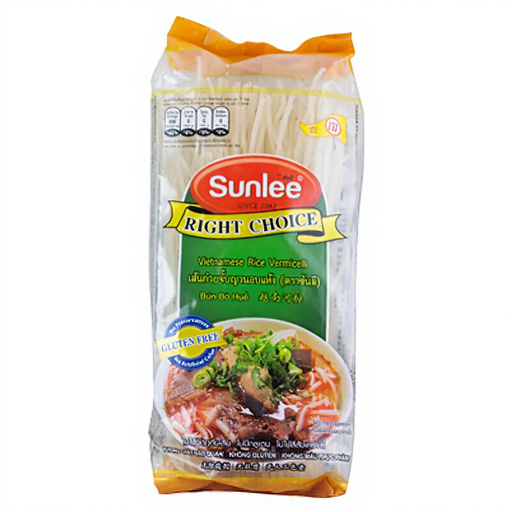
Why this fits the profile: A neutral base for salads, soups and Thai noodle dishes. The ingredients list states rice and water, so you can add your own vegetables, protein source and sauce.
The packet isn’t a complete instant meal with hidden seasoning sachets. You decide the amount of sauce yourself and control the preparation via the label.
250 grams, rice as the main ingredient and suitable for several types of Asian dishes. Do not eat raw: soak or boil according to the packet instructions.
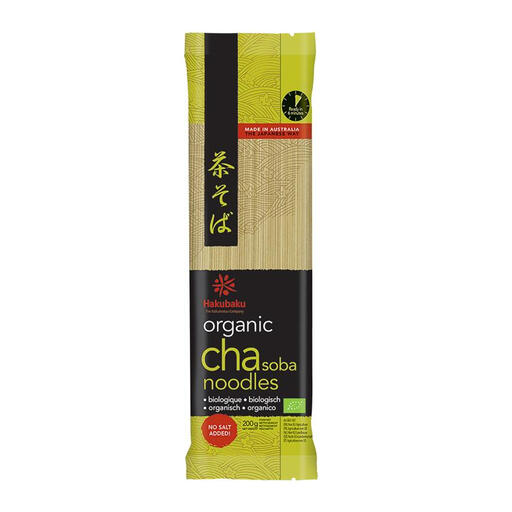
Why this fits the profile: For home cooks looking for a Japanese noodle with a distinctive flavour profile. The product information lists green tea and buckwheat alongside wheat flour.
The ingredients are clearly stated. Because the product contains wheat, you avoid a wrong purchase by not relying solely on the name “soba”.
200 grams, 11.4 grams of protein per 100 grams according to the product information and suitable for a quick Japanese meal.
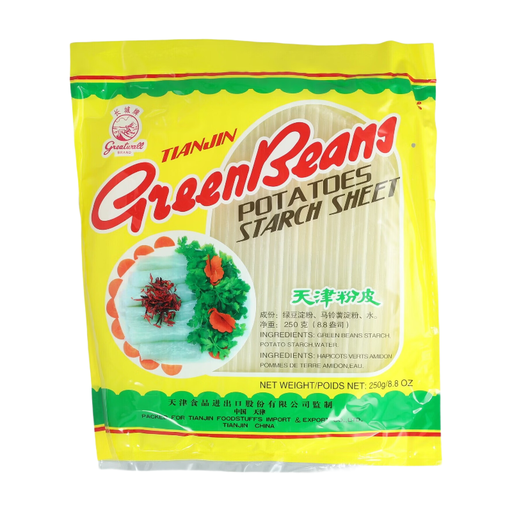
Why this fits the profile: Suitable for hotpot, soups, cold salads and stir-fries where a thin noodle needs to absorb sauce well.
The preparation steps are specific: soak for 10 to 15 minutes and then boil for 2 to 3 minutes. This helps you plan the texture better.
Mung bean starch and water as ingredients, no listed allergens and 250 grams per packet.
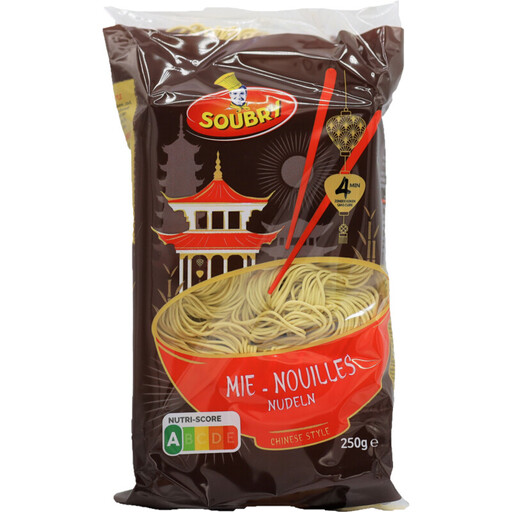
Why this fits the profile: The product information states that no cooking is needed and that the noodles can be prepared in around 4 minutes with vegetables, meat, fish or prawns.
The preparation is short and clearly described. However, the product contains wheat and gluten and may contain traces of egg, milk, soya and sesame, among others.
250 grams, 10.5 grams of protein and 3.8 grams of fibre per 100 grams according to the stated nutritional values.
We’ve put together a full, up-to-date list of products that fully meet these strict selection criteria and comply with current European safety regulations.
Vermicelli based on mung bean, potato, tapioca or rice starch can be gluten-free. This applies, for example, to products whose ingredients list does not mention wheat. Always check the allergen information and the packaging, because production in an environment with wheat is possible.
For a quick wok meal, noodles without a long cooking time are practical. Soubry Chinese Noodles are ready in around 4 minutes according to the product information. Udon noodles are suitable when you want a thick, soft texture. Vermicelli works better for light stir-fries, soups and sauces that are absorbed quickly.
Store dry noodles in a cool, dry place away from direct sunlight. Seal an opened packet well to limit moisture and contamination. Fresh or pre-cooked noodles have different storage requirements; follow the label for these and consume them after opening according to the stated instructions.
