
Vandaag of morgen in huis

Kwaliteit gegarandeerd

Welkomstaanbiedingen ontgrendelen: GRATIS bezorging | Tot 80% korting | Gratis 30 dagen JoyPlus-proefperiode
Download de app
A bag of Asian noodles may seem simple to choose, until you have to decide between Chinese noodles, Korean noodles, Japanese udon noodles, rice noodles and glass noodles. The packaging often promises an authentic flavour or a firm bite, but descriptions like these do not always tell you enough about preparation, ingredients or portion size.
So pay particular attention to these three common pitfalls:
The right noodle depends on the texture and cooking method you want.
Stir-fry noodles should remain firm enough after cooking to be fried briefly. Chinese yellow noodles, alkaline noodles and wide wheat noodles work well with vegetables, tofu, chicken or seafood. Pay attention to the cooking time: some dried noodles are ready after 3 to 5 minutes, while thicker varieties need longer.
For noodle soups, udon noodles, rice noodles and glass noodles are practical choices. Japanese udon noodles are thick and soft, with an elastic bite. Glass noodles are made from starch and easily absorb stock and sauce. With fresh udon, check the storage instructions and portion packaging.
Buckwheat noodles and thinner wheat noodles can be briefly rinsed with cold water after cooking. This stops the cooking process and helps preserve the texture. Add the dressing just before serving to reduce sticking.
If you want to prepare a specific dish, it is better to look at the name of the noodle rather than just the country of origin. Wuhan hot dry noodles, for example, are intended to be combined with sesame paste, soy sauce, spring onion, pickled vegetables and, optionally, chilli oil. Korean noodles may contain buckwheat, sweet potato starch or wheat, depending on the product.
Read the ingredients list rather than relying solely on words such as “grain-rich”, “authentic” or “healthy”. According to the product information, Bai Xiang Buckwheat Noodles 1kg are made from wheat flour, buckwheat flour, water and salt. This means the product contains gluten.
Other products contain additional allergens. A'KUAN Broad Noodle Sesame Paste Flavor lists wheat, soya and sesame. Yuanxianxian Fragrant and Spicy Sweet Potato Noodles lists peanuts and sesame. If you have allergies or intolerances, it is important to check the current packaging, including information about possible traces.
A higher percentage of buckwheat does not automatically mean that a noodle is gluten-free. Many buckwheat noodles also contain wheat.
Dried noodles are suitable for keeping in your cupboard and generally require little storage space. Examples include soba noodles, Chinese noodles and Wuhan noodles. Fresh nama udon is packaged by portion, but requires more attention to storage and shelf life.
Instant noodles are convenient when speed is the priority. Preparation varies from product to product:
Always check whether a product still needs to be boiled or simply soaked and heated. Raw flour or uncooked noodles are not intended for consumption.
Do not compare only the price of a pack; consider the quantity and number of individual portions as well. A box of Golden Pagoda GOLDEN LION Fresh Nama Udon Noodle contains 30 packs of 200 grams. This can be practical for catering, a large household or regular meal planning.
For home use, packs of 300 to 500 grams are often easier to manage. Regular users may benefit from 1 or 2 kg packs, such as Chunsi Wuhan Hot Dry Noodles or Toyoung Thick Strip Noodles. Also check the preparation time: many varieties are ready in around 4 to 6 minutes, but follow the instructions on the packaging for the texture you want.
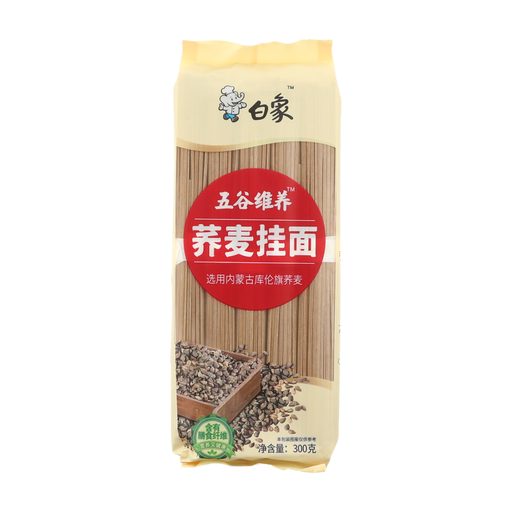
Why it suits this profile: The 300-gram pack is a manageable size for anyone who wants to try different Asian noodles without buying a large quantity straight away. According to the product information, the noodles contain 15% buckwheat flour.
The stated buckwheat percentage means you do not have to rely solely on the product name. According to the description, the preparation time is around 3 to 5 minutes.
300 grams, 15% buckwheat flour and suitable for soup or sauce.
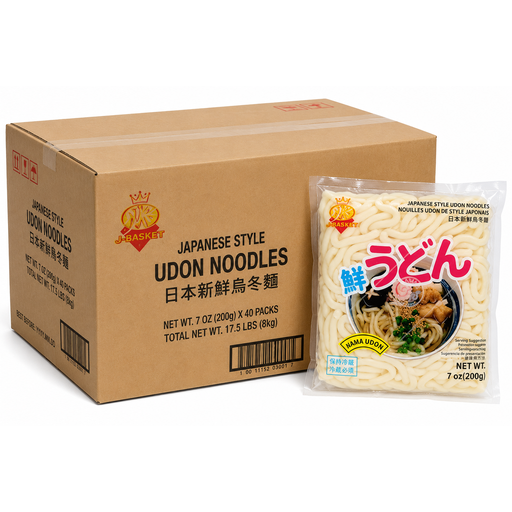
Why it suits this profile: Fresh Japanese udon noodles with a thick, soft and springy texture are ideal for traditional soups, stir-fries and cold dishes.
The product information clearly states the portion size: 30 individual packs of 200 grams. This makes it easier to plan your supply.
30 portions of 200 grams, suitable for soup, stir-fries and salads.
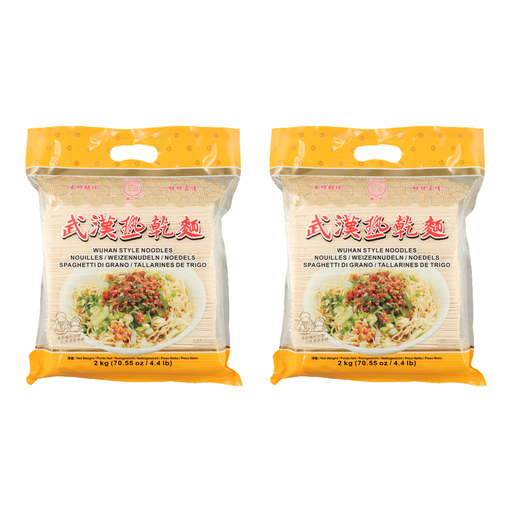
Why it suits this profile: These Chinese noodles are designed for Wuhan hot dry noodles and come in a 2 kg pack, making them suitable for frequent home cooks, meal prep and catering.
The product description specifies the intended dish, the cooking time of around 4 minutes and the recommended combinations with sesame paste and soy sauce.
2 kg of wheat noodles, 99% wheat flour according to the ingredients list, and suitable for Wuhan-style dishes, soup or stir-fries.
We have compiled a complete, up-to-date list of products that fully meet these strict selection criteria and the applicable European safety regulations.
Choose a noodle that stays firm after cooking, such as Chinese yellow noodles, alkaline noodles, wide wheat noodles or some soba noodles. Cook them according to the packaging and drain them thoroughly before stir-frying briefly. This prevents excess water from diluting the sauce.
Rice noodles are made with rice flour and usually have a soft, light bite. Glass noodles are made from starch and become transparent after soaking or cooking. Both work well in soups, salads and stir-fries, but the preparation time and texture vary by brand.
Store dried noodles in a cool, dry place away from moisture and direct sunlight. Seal an opened bag securely and follow the date and instructions on the packaging. Fresh udon and instant products with sauce sachets require extra care: use them after opening according to the storage advice, and do not prepare them if the packaging is damaged.
