
Vandaag of morgen in huis

Kwaliteit gegarandeerd

Welkomstaanbiedingen ontgrendelen: GRATIS bezorging | Tot 80% korting | Gratis 30 dagen JoyPlus-proefperiode
Download de app
A packet of Asian noodles may seem easy to choose, until you are standing in front of the shelf or browsing an online range. Rice noodles, vermicelli, glass noodles, soba noodles and instant noodles differ considerably in texture, preparation and nutritional value. The wrong choice can result in limp strands, an overly salty meal or a product that does not suit your diet.
A product name may refer to grains, but the amount of buckwheat, rye or konjac may be limited. So always check the quantitative ingredient declaration. For example, Hui ji Five Cereals Noodles consists of 58.95% wheat, compared with 1.54% buckwheat flour and 0.32% konjac flour.
If you are specifically looking for wholegrain noodles, it is worth checking the proportion of wholegrain flour. For example, Go-Tan Whole Grain Noodles lists 80% wholegrain durum wheat and states 9 grams of fibre per 100 grams on the label.
Rice noodles and glass noodles are not automatically suitable for everyone. Check both the ingredients and the allergen information. Products containing wheat, barley or rye contain gluten. Sauces and seasoning sachets may also contain soya, sesame, peanuts or wheat.
Bamboo Tree Vietnamese Fine Rice Vermicelli lists rice as its main ingredient and is described as gluten-free. However, an instant product with multiple sachets, such as Yang Zhang Gui Vermicelli, lists soya, sesame and peanuts as allergens. If you have food allergies, always read the current packaging.
A short preparation time says nothing about the final result. Instant noodles are convenient, but their flavour sachets often contain relatively high levels of salt. Yang Zhang Gui Wide Vermicelli lists 4.73 grams of salt per 100 grams, while SHIZU ENERGY Spicy and Sour Vermicelli contains 5.08 grams per 100 grams.
Dried noodles without seasoning give you more control over the stock, sauce and toppings. On the other hand, you will need to add the extra ingredients yourself.
Follow the instructions on the packaging, particularly for fine vermicelli. For example, Bamboo Tree recommends soaking for 5 to 7 minutes, followed by boiling for 2 to 3 minutes. Thicker dried noodles may require 5 to 8 minutes.
Briefly rinse wheat noodles with cold water after cooking if you are using them in a salad or stir-fry. This stops the cooking process and helps them stay firmer. Shirataki noodles are often ready to use after rinsing and heating, but always check the packaging.
Check the net weight, number of portions and nutritional values per 100 grams. An 800-gram family pack is practical for several meals, while a 125- to 197-gram cup or packet is mainly designed for convenience.
Also compare the salt content of the complete product, including seasoning sachets where this information is provided. With products containing a separate sauce, you can often use only part of the seasoning.
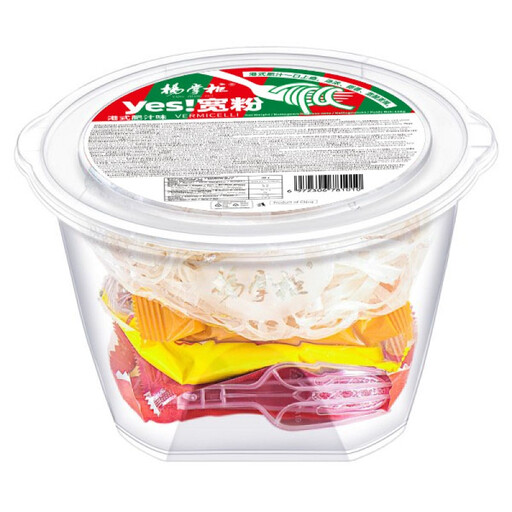
Why it suits this profile: The wide vermicelli comes with seasoning sachets and requires around 5 to 6 minutes in boiling water. Ideal for a quick meal without having to gather separate ingredients.
The preparation time and allergens are clearly stated. However, watch out for soya, sesame and peanuts, and bear the stated salt content in mind.
158 grams per pack, wide sweet potato vermicelli and preparation with approximately 400 ml of boiling water.
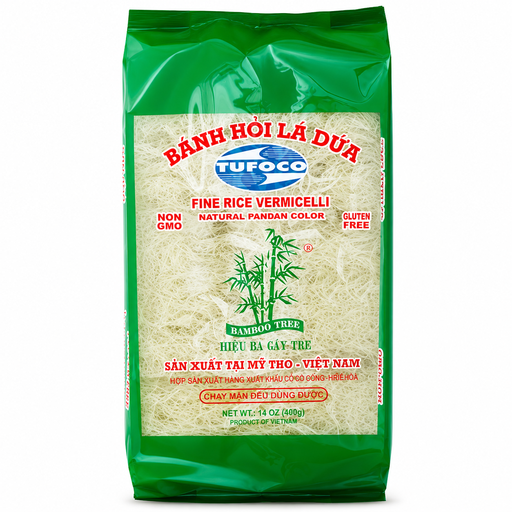
Why it suits this profile: This fine rice vermicelli is designed for Vietnamese dishes such as bun, soups, salads and fresh spring rolls. The product description states that it contains 88% rice and pandan leaf as a natural colouring.
The recommended soaking and cooking times are specified. If you have an allergy, check the current packaging and do not prepare the noodles based on the product name alone.
Gluten-free according to the product description, 340 grams of contents and fine strands that absorb sauce and stock.
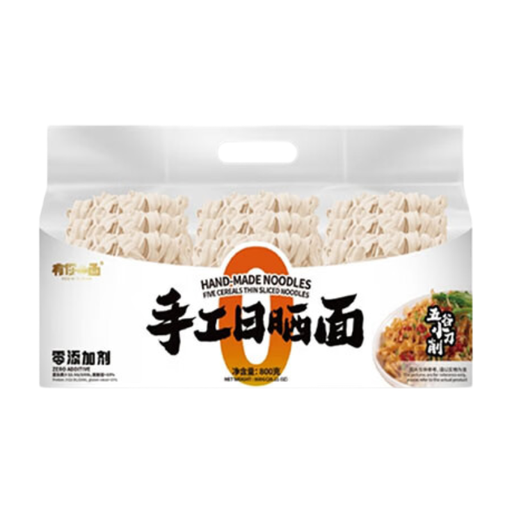
Why it suits this profile: The generous pack is suitable for households that regularly prepare Chinese noodles, from soups to stir-fries. The stated cooking time is 6 to 8 minutes.
The ingredient percentages and nutritional values are provided, allowing you to check the term “five cereals”. However, the product contains gluten from wheat.
800 grams of contents, 13.6 grams of protein per 100 grams and suitable for various preparation methods.
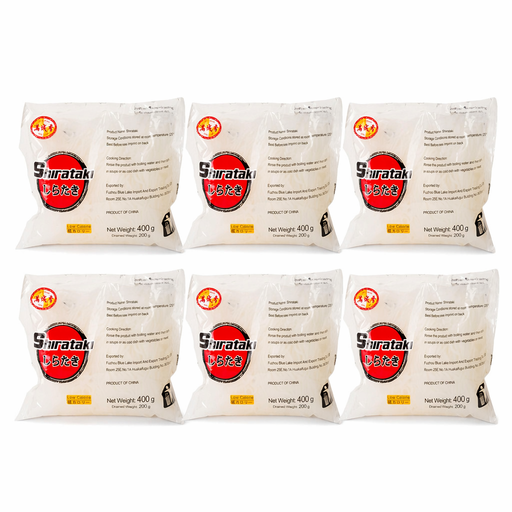
Why it suits this profile: According to the product description, these konjac noodles are vegan and gluten-free. They are ready to use after rinsing and heating, and work well in soups, salads and stir-fries.
The product description mentions a neutral flavour and springy texture. Rinse the noodles thoroughly and check the packaging; not everyone enjoys this texture.
400 grams per pack, 12 packs per box and, according to the label, 7 kcal per 100 grams.
We have put together a complete, up-to-date list of products that fully meet these strict selection criteria and the applicable European safety regulations.
Store dried noodles in a cool, dry cupboard, away from moisture and direct sunlight. Seal opened packaging securely. Use fresh or opened wet konjac products according to the instructions on the packaging.
For a balanced meal, combine noodles with vegetables, tofu, egg, chicken or fish, along with a homemade sauce. With instant noodles, you can use only some of the seasoning powder and add extra vegetables. This does not change the product composition, but it does give you more control over the meal.
Rice noodles, certain glass noodles and konjac noodles may be gluten-free. Always check the ingredients, allergen information and any warning about cross-contamination. Soba noodles are not automatically gluten-free, as they often also contain wheat.
Use plenty of water, keep an eye on the preparation time and briefly rinse the noodles with cold water after cooking. For salads or spring rolls, drain them thoroughly before adding the sauce.
The best-before date is shown on the packaging. Unopened dried noodles generally remain suitable until that date when stored in a dry, cool place. After opening, check for moisture, damage or an unusual smell, and follow the manufacturer’s instructions.
