
Vandaag of morgen in huis

Kwaliteit gegarandeerd

Welkomstaanbiedingen ontgrendelen: GRATIS bezorging | Tot 80% korting | Gratis 30 dagen JoyPlus-proefperiode
Download de app
Asian noodles are ideal for a quick meal, but the choice varies considerably. Chinese noodles, Korean noodles, Japanese noodles and instant noodles each have a different texture, preparation time and list of ingredients. If you only go by the packaging or a flavour name, you could end up with overly salty soup, soggy noodles or a bulk pack that barely gets used.
The term soba is often associated with buckwheat noodles. However, not every product with “soba” in its name is mainly made from buckwheat. For example, Jin Shahe Soba Noodles 1 kg lists wheat flour, water and salt as ingredients, without stating the percentage of buckwheat. Always check the ingredients list and the quantitative indication.
The proportion also varies between buckwheat noodles. YunShanBan contains 40% buckwheat flour, Ottogi Buckwheat Noodles 400G contains 30% buckwheat flour and BaiXiang Buckwheat Noodles 300g contains 15% buckwheat flour. This difference affects the flavour, colour and texture.
Instant noodles are convenient, but the flavour usually comes from several sachets containing oil, sauce and seasoning. This makes it less straightforward to adjust the amount of salt, oil or heat. Check the label for nutritional values per 100 grams and see whether the stated weight includes the sauce and toppings.
A cup or bowl is suitable for eating on the go or enjoying a quick lunch, while dry Chinese noodles give you more freedom to add your own vegetables, tofu, egg or sauce.
Bulk noodles are a good choice if you regularly prepare noodle dishes. A 1 kg bag may seem cost-effective, but it requires proper storage and enough opportunities to use it. Store dry noodles in a cool, dry place in a sealed container. After opening, an airtight storage container is useful for limiting moisture and the transfer of odours.
Wheat is common in Chinese noodles, Japanese noodles and Korean noodles. Products such as YunShanBan, Ottogi and BaiXiang contain wheat and gluten. Soubry Chinese Egg Noodles also contains 15% free-range eggs. If you follow a vegan diet, do not just look at the product name. Check the ingredients and any warnings about traces of allergens too.
For a gluten-free option, shirataki noodles made from konjac are worth considering. City Aroma Shirataki Fine Noodles lists water, konjac flour and calcium hydroxide as ingredients and, according to the product information, contains none of the 14 major EU allergens. Always check the packaging again, particularly if the recipe has changed.
Buckwheat noodles are not automatically low in calories or carbohydrates. YunShanBan lists 330 kcal, 0 grams of fat and 11.5 grams of protein per 100 grams. Ottogi lists 330 kcal, 0.9 grams of fat and 12 grams of protein, as well as 3.96 grams of salt. The figures cannot be compared directly without considering the serving size and preparation method.
For a higher-fibre option, look for buckwheat, rye, wholegrains or added fibre. This is a product specification, not a guarantee of a particular health benefit.
Dry noodles generally need to be boiled. For several varieties, the recommended cooking time is around 3 to 5 minutes. Shirataki noodles are ready to use after rinsing and heating. Instant cups often need approximately 4 to 5 minutes with hot water.
Think about the dish you want to prepare in advance:
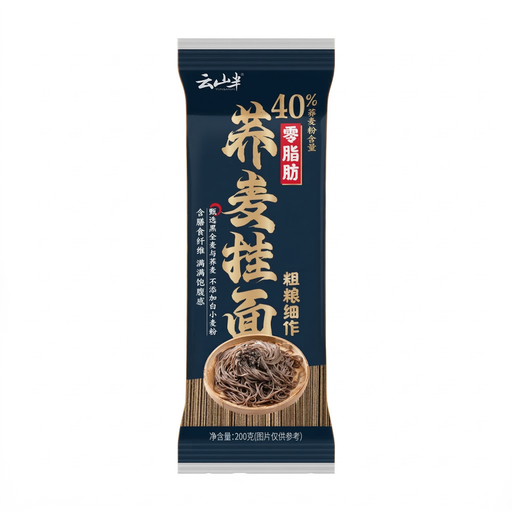
Why it suits this profile: The 200-gram pack is a practical size if you want to try different Asian noodles without immediately buying a multi-kilo supply. These noodles are suitable for soups, stir-fries and cold salads.
The buckwheat percentage is clearly stated: 40%. This means you do not have to rely solely on the name “buckwheat” or “soba”.
40% buckwheat flour, 0 grams of fat per 100 grams and a cooking time of approximately 3 to 5 minutes.
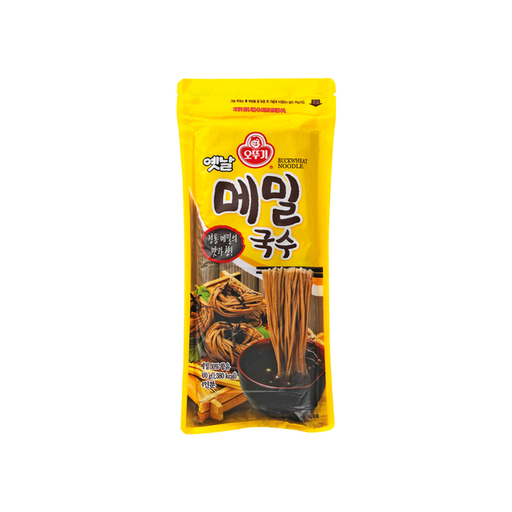
Why it suits this profile: These Korean noodles are ideal for dishes where you want a firm, smooth and satisfyingly chewy texture. The 400-gram pack is suitable for multiple servings.
The label states the buckwheat content of 30% and lists the allergens, including wheat and possible traces of soya and egg.
30% buckwheat flour, 12 grams of protein per 100 grams and a stated cooking time of approximately 3 to 5 minutes.
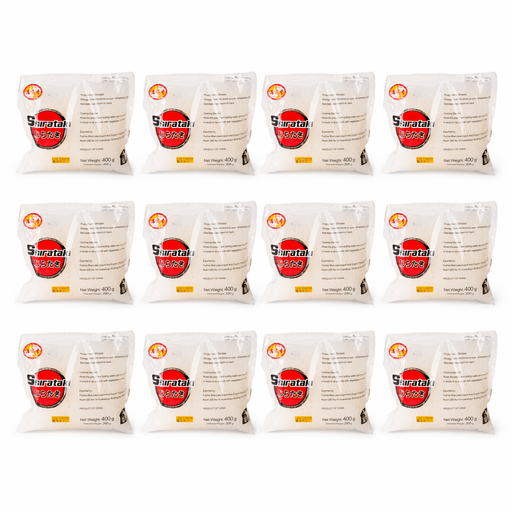
Why it suits this profile: These Japanese noodles are designed for households that cook regularly and want to keep a supply for stir-fries, soups or salads. They can be used after rinsing and heating.
The product information clearly states that the noodles are made from konjac, explains how to prepare them and specifies that the pack contains 12 units. This makes the bulk pack suitable for regular use.
400 grams per pack, 7 kcal and 1.7 grams of carbohydrates per 100 grams according to the product information, plus a neutral flavour.
We have put together a complete, up-to-date list of products that fully meet these strict selection criteria and the applicable European safety regulations.
Instant noodles are usually the fastest option: cups and bowls often need 4 to 5 minutes with hot water. For greater control over the ingredients, dry Chinese noodles, rice noodles or buckwheat noodles are more practical, as you can choose your own sauce and toppings.
Not automatically. Many soba and buckwheat noodles also contain wheat flour. Always check the buckwheat percentage and allergen information. According to the stated product information from City Aroma, shirataki noodles made from konjac are naturally gluten-free, but always check the current label.
Unopened dry noodles generally have a long shelf life; the exact date is shown on the packaging. Once opened, they should be stored in a cool, dry place in a well-sealed container. Instant cups and opened wet noodles are intended to be consumed immediately after preparation or opening.
