
Vandaag of morgen in huis

Kwaliteit gegarandeerd

Welkomstaanbiedingen ontgrendelen: GRATIS bezorging | Tot 80% korting | Gratis 30 dagen JoyPlus-proefperiode
Download de app
Asian noodles are ideal for a quick meal, but the range varies considerably. One pack may contain plain dried noodles with no seasonings, while another already includes oil, sauce and spices. Preparation time, serving size and allergens are not always immediately clear either.
If you focus only on attractive packaging or words such as “authentic”, you may end up buying a product that does not suit the dish you have planned. Use these practical checks to compare instant noodles, Chinese noodles, Japanese udon noodles, Korean noodles and other varieties more effectively.
A product may recreate a regional flavour according to the brand description, but that does not automatically mean it has the same texture or preparation method as a dish from that cuisine. Always check the ingredients, country-of-origin information and preparation instructions.
For some products, the product description may also differ from the information on the packaging. Always read the current label before buying and using a product, especially when checking allergens, nutritional values and shelf life.
Instant noodles are often ready in three to six minutes, but they do not always contain much vegetable or protein. You can supplement the meal with pak choi, spring onion, egg, tofu, chicken, prawns or mushrooms. Also check the salt content of ready-made seasoning sachets. This varies by recipe and serving size.
A multipack is practical for students or a household that regularly eats noodles, but less suitable if you want to try different flavours. Conversely, a 2 kg bag may seem good value, but once opened the noodles need to be kept tightly sealed and dry. Choose the quantity based on your eating habits and available storage space.
The shape determines how a noodle behaves in a dish:
Check whether you only need boiling water or whether you need to use a pan. According to the product information, A'KUAN wide noodles, for example, should be soaked in boiling water for five to six minutes. DOUBLE PANDA Chinese yellow noodles have a stated cooking time of four to six minutes. According to the description, MAMA instant noodles take approximately three to four minutes to prepare.
A difference of a few minutes matters when you are looking for a quick lunch. For stir-fries, it is also important that the noodles do not become too soft before they go into the pan.
Most wheat noodles contain gluten. Soya, sesame, peanuts, milk, egg, fish and shellfish are also commonly found in seasoning sachets. Check not only the noodles themselves, but also the sauce and seasoning packets.
When considering special offers, check the nutritional information per 100 grams and the serving size. A product containing several seasoning sachets may provide a different amount of salt, fat or sugar per prepared serving than you might initially expect.
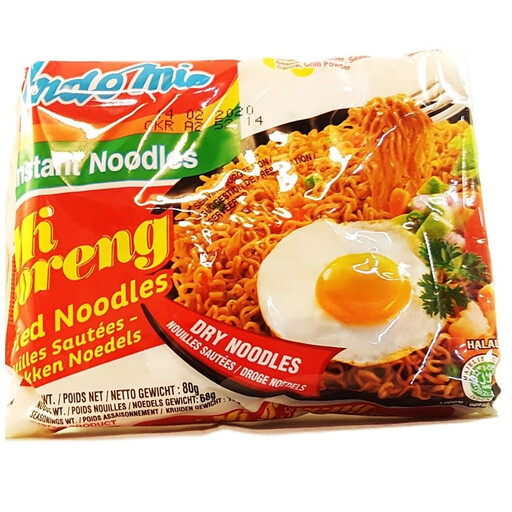
Why it suits this profile: The 80-gram serving is a manageable size for a quick meal or for trying Indonesian mi goreng for the first time.
The product information lists separate sachets containing seasoning powder, oil, sweet soya sauce and chilli sauce. You can therefore adjust the flavour to your liking.
A dry preparation without soup, several flavour components and a clear serving size of 80 grams.
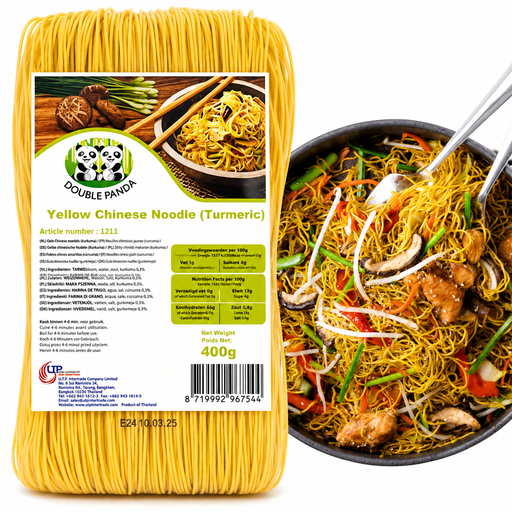
Why it suits this profile: These Chinese yellow noodles are a versatile base for homemade stir-fries, soups and hotpot.
The product information states a cooking time of four to six minutes and lists the ingredients and allergens. However, check the origin and current details on the packaging.
400 grams, a wheat base, a yellow colour from the listed turmeric and suitability for several preparation methods.
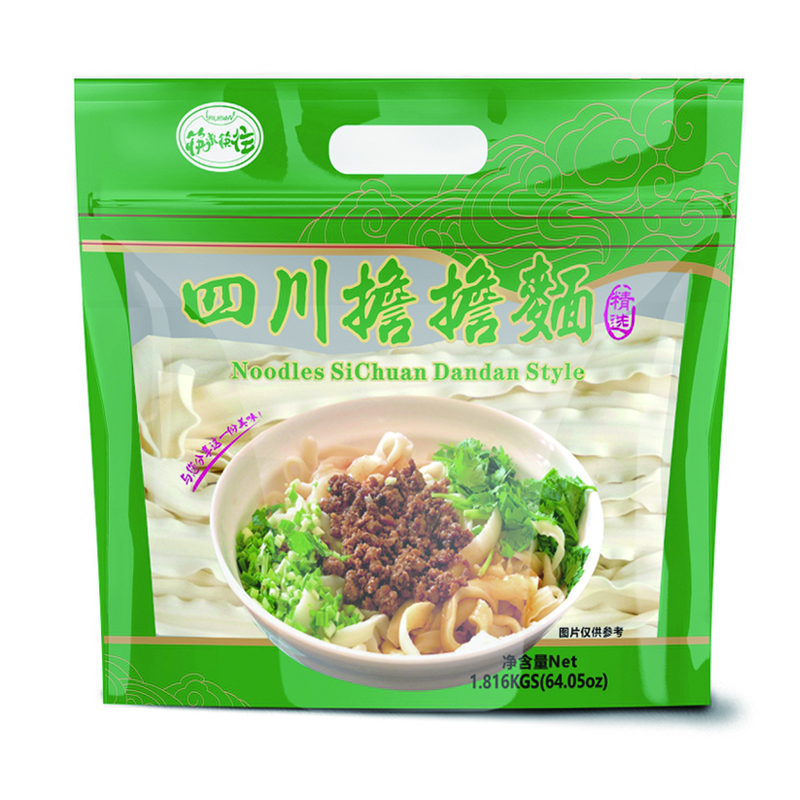
Why it suits this profile: The large pack is aimed at households, keen home cooks and Sichuan noodle enthusiasts who want to create their own sauces.
No ready-made seasoning sachets are listed. You decide the level of heat, amount of oil and toppings yourself, rather than being tied to a single flavour profile.
1,816 kg, round noodles measuring approximately 20 cm and a stated cooking time of around five minutes.
We have put together a complete, up-to-date list of products that fully meet these strict selection criteria and the applicable European safety regulations.
Chinese yellow noodles, Shanghai noodles and stir-fry noodles are practical choices. Pay particular attention to a cooking time of around four to six minutes, then fry them briefly with vegetables, sauce, tofu, meat or fish. Cooking them for too long can make them soft.
Instant noodles are convenient for a quick meal, but their nutritional values and salt content vary by product. Check the label and consider adding vegetables and a source of protein. Use less of the seasoning powder or oil if you want to adjust the flavour yourself.
Store dried noodles in a cool, dry cupboard, away from moisture and direct sunlight. Seal an opened bag securely, for example in an airtight food-storage container. Check the best-before date before use and do not use any product whose packaging is damaged.
