
Vandaag of morgen in huis

Kwaliteit gegarandeerd

Welkomstaanbiedingen ontgrendelen: GRATIS bezorging | Tot 80% korting | Gratis 30 dagen JoyPlus-proefperiode
Download de app
Asian noodles come in a wide range of shapes, thicknesses and preparation methods. Rice noodles for pad thai, udon noodles for soup, glass noodles for salads, and Chinese or Korean noodles for stir-fries: the differences can make or break your dish.
Yet many consumers buy noodles based solely on attractive packaging or a familiar name. This can result in noodles that go soft too quickly, do not suit the recipe or are unsuitable because of allergens. By using the checks below, you can choose more confidently, whether you are preparing a midweek meal, a large pot of soup or food for professional use.
Thin noodles absorb liquid quickly and work well in light soups, salads and stir-fries. Thick rice noodles or udon retain more bite and are better suited to rich sauces, stock or dishes in which the noodles are heated for longer.
A product name such as “rice stick”, “vermicelli” or “thin noodles” does not always tell you enough. Also check the stated thickness, for example 1.2 mm, 3 mm or 10 mm.
Some instant noodles only need to be covered with boiling water. Other dried noodles must first be soaked and then boiled. Fresh udon can sometimes be rinsed, boiled or briefly heated in the microwave.
Therefore, always follow the preparation instructions on the packaging. “Ready quickly” does not automatically mean that the product can be eaten raw.
A large pack of noodles can offer good value for families, meal prepping or catering, but is less practical if you rarely cook Asian food. Also look out for wheat, gluten, soya, sesame, crustaceans and other allergens. The information on the packaging takes precedence; product details on a website may change or be less complete than the label.
Rice noodles and Vietnamese noodles are often made from rice flour and water. They are suitable for pho, bun, pad thai, salads and light stir-fries. If you have allergies, always check the latest allergen information. Some products may contain additional ingredients or carry cross-contamination warnings.
Japanese noodles, such as udon, generally contain wheat flour and gluten. They are thicker, smoother and more springy than many rice noodles. Chinese noodles, Korean noodles and ramen may also contain wheat, but differ in shape, thickness and flavourings.
Glass noodles are made from starch. They become transparent when prepared and absorb sauces well. Please note: the term “glass noodles” does not mean they are automatically free from all allergens. Check the ingredients list.
A 200-gram pack is suitable for a small meal or for a family adding several other ingredients. For regular use, packs of 400 to 908 grams are more practical. For hospitality and catering, boxes with individual portions or packs of 1.82 kg may be more efficient.
Do not compare only the purchase price. Also consider the weight per pack, preparation method and the amount you need per person.
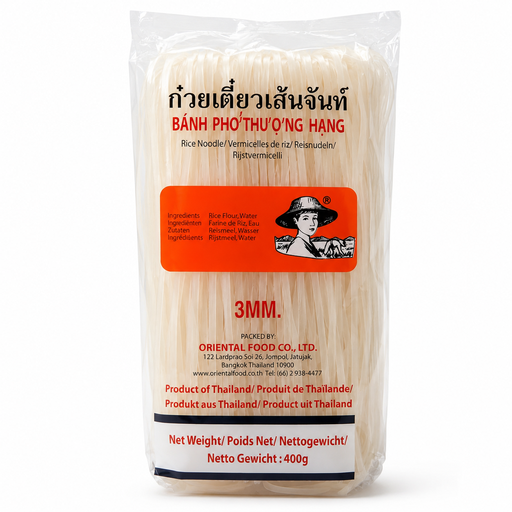
Why it suits this profile: The 400-gram pack is a manageable size for home use, while the rice noodles work well in stir-fries, soups and salads.
The stated thickness of 3 mm helps you match the noodles more closely to the recipe. The packaging lists rice flour as an ingredient and provides clear storage information.
400 g net weight; made with rice flour according to the product information; none of the 14 main EU allergens are listed.
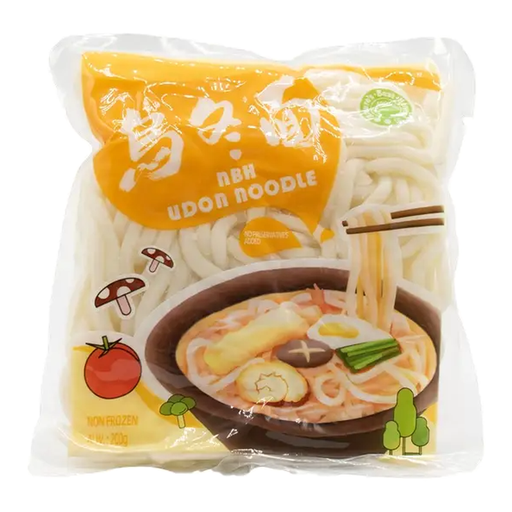
Why it suits this profile: If you value a smooth texture and a firm bite, this udon provides an excellent base for Japanese noodle dishes, soups and stir-fries.
The description specifies practical uses and provides an ingredient list. You know in advance that the product contains wheat flour and salt, and therefore contains gluten.
200 g pack; suitable for soup, stir-fries and cold noodle dishes; gluten clearly listed as an allergen.
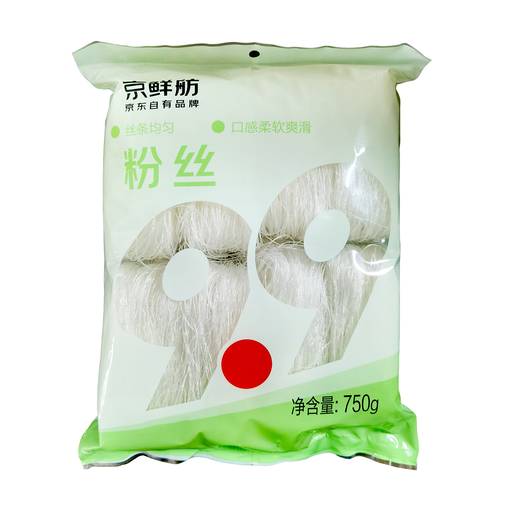
Why it suits this profile: The large pack is practical for frequent home cooks, meal prepping, catering and dishes such as soup, spring rolls, stir-fried noodles and cold salads.
The instructions mention both soaking and briefly boiling the noodles. This gives you greater control over the texture and helps prevent the glass noodles from staying in the pan for too long.
750 g pack; made with 97% wheat starch and 3% pea starch according to the product information; suitable for a wide range of dishes.
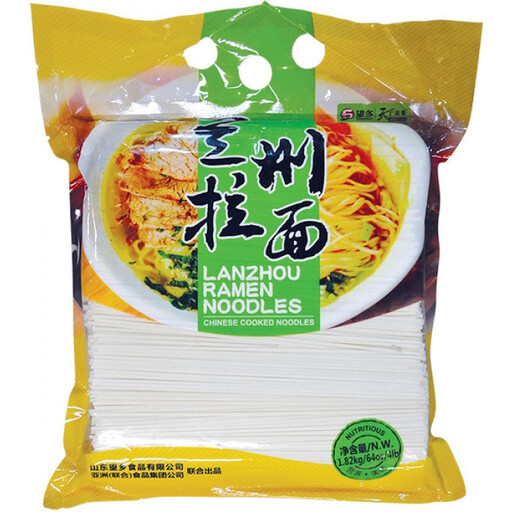
Why it suits this profile: The 1.82 kg pack is designed for high-volume use and is well suited to regularly preparing Chinese noodles, soup-based meals and stir-fries.
The weight makes it a transparent choice for high-volume use. According to the description, the ingredients are limited to wheat flour, water and salt.
1.82 kg net weight; suitable for soups and stir-fries; cooking time of approximately 4–6 minutes according to the product information.
We have put together a complete, up-to-date list of products that fully meet these strict selection criteria and the applicable European safety regulations.
It depends on the sauce and the bite you want. Rice noodles from 3 to 10 mm, udon and firm Chinese noodles are practical choices. Thin vermicelli works well when you want a light texture, while thick noodles are better suited to rich sauces. Cook or soak the noodles according to the packaging instructions and add them to the wok at the right moment.
Rice noodles are made from rice and are widely used in Vietnamese and Thai dishes. Glass noodles become transparent when prepared and absorb flavours easily. Udon noodles are thicker wheat noodles with a smooth, springy texture. For all types, check the ingredients and allergen information on the packaging.
Store dried noodles in a cool, dry place, away from heat, sunlight and moisture. Seal the pack carefully after opening. Check the best-before information before use and do not use damaged packaging. Fresh noodles generally require different storage conditions, so always follow the label.
