
Vandaag of morgen in huis

Kwaliteit gegarandeerd

Welkomstaanbiedingen ontgrendelen: GRATIS bezorging | Tot 80% korting | Gratis 30 dagen JoyPlus-proefperiode
Download de app
Asian noodles come in many varieties, from Korean and Chinese noodles to Japanese noodles, Thai instant noodles and rice noodles. The differences are not limited to flavour. The ingredients, cooking time, packaging and quantity all affect whether a product is right for your meal.
If you focus only on attractive packaging or promises such as “authentic flavour”, you may be disappointed. A noodle that works well in soup will not always perform well in a wok. And a large pack of noodles is not automatically good value if you do not cook often or cannot seal the packaging properly after opening.
Thin rice noodles and glass noodles absorb liquid quickly and work well in salads, soups and stir-fries. Thick udon noodles, on the other hand, have a satisfyingly firm texture and are suitable for stock-based dishes, stir-fries and hotpot. Replacing a fine noodle for Dan Dan noodles with a wide instant noodle will give you a different texture and a less even distribution of sauce.
The intensity of spicy instant noodles varies considerably from one product to another. Always check the ingredients and preparation instructions. Some products contain a separate sachet of sauce, which you can add in full or in part. With instant ramen or a noodle bowl, the salt content is also relevant. For example, NISSIN Cup 5 Spices Beef contains 3 grams of salt per 64 grams, while the NongShim Shin Red pack contains, among other ingredients, wheat, fish and soya.
A 1.8 or 2 kilogram bag can be useful for a family, catering business or regular noodle eaters. For occasional use, however, this type of packaging takes up a lot of storage space. Also check the storage instructions: many dried noodles need to be kept in a cool, dry place in a sealed container or bag to prevent them absorbing moisture.
Always read the label, particularly if you have allergies or dietary preferences. Many Chinese noodles, ramen, udon and Jjajangmyeon noodles are made with wheat flour and contain gluten. Soba can contain both wheat and buckwheat. Glass noodles are often made from starch.
According to the product information, Wang Korean-Style Vermicelli Noodles consist of 99.9% sweet potato starch and water. The description states that they are gluten-free. Nevertheless, check the current packaging and allergen information with every purchase. Online product information can change.
The shape determines how a noodle behaves during cooking:
Do not focus solely on the word “authentic”. Also check the listed ingredients, dimensions and preparation method. For example, the Kuai Lai Kuai Wang Sichuan Dan Dan Noodles are listed as having a round noodle width of 0.125 cm and a length of 20 cm.
Check whether the noodles need to be soaked, boiled or simply prepared with hot water. Wang vermicelli needs to be soaked in warm water for approximately 20 minutes first, then boiled for 6 to 7 minutes. According to the product information, Jingxing Wuhan Hot Noodles have a cooking time of 3 to 5 minutes.
Instant noodles are practical for students, work lunches or a quick meal. A cup such as Obento Spicy Sesame Ramen Noodle Bowl only requires hot water. Dried noodles without flavour sachets give you more freedom to add your own stock, vegetables, egg, tofu or meat.
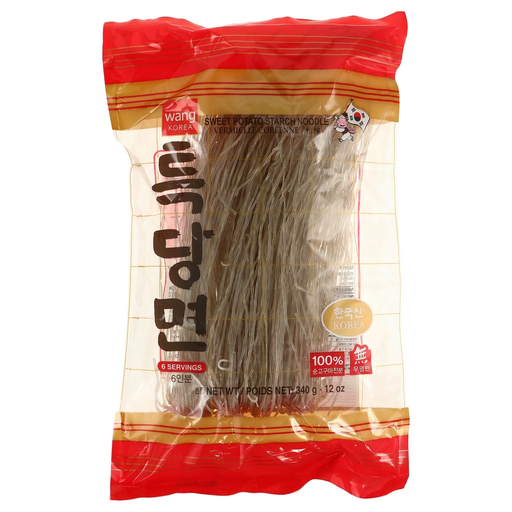
Why it suits this profile: A manageable pack for anyone wanting to use glass noodles in japchae, soup, salads or a simple stir-fry.
The product information lists the ingredients and provides clear preparation instructions. This means you know in advance that soaking and boiling are required.
340 grams, 99.9% sweet potato starch according to the product description, and suitable for several preparation methods.
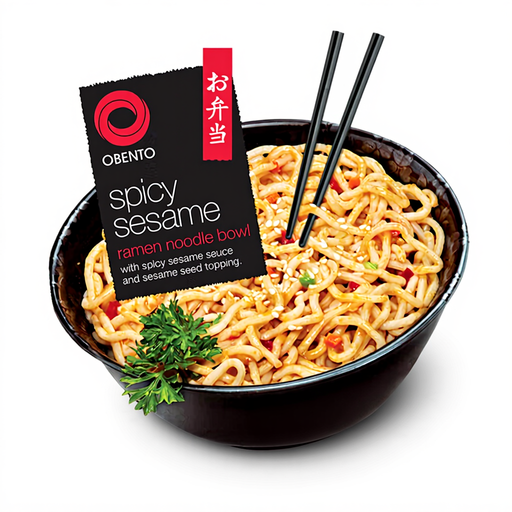
Why it suits this profile: Ideal for anyone looking for a quick, individually packaged meal with ramen, sesame and chilli, without having to use a pan.
Preparation is simple: just add hot water. The allergen information lists wheat, sesame and soya.
240 grams per bowl, instant preparation and a product information sheet with nutritional values per serving.
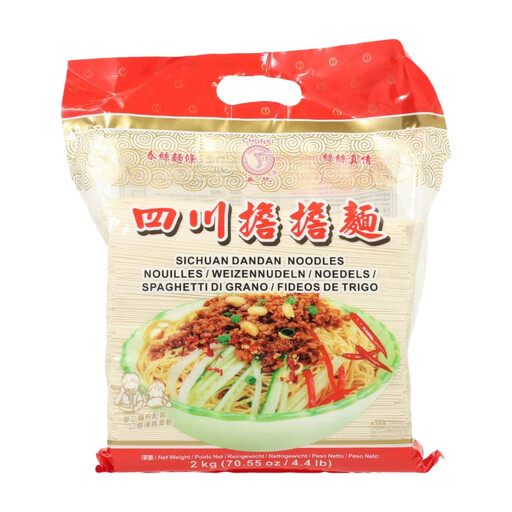
Why it suits this profile: A large pack for Dan Dan noodle enthusiasts, fans of Sichuan dishes and stir-fried noodles, or anyone cooking for several people.
The pack clearly states 2 kilograms and gives cooking instructions for boiling water. This makes it easier to assess whether the quantity suits your needs.
Wheat flour, water and salt are listed as the ingredients; developed for sauces and classic Dan Dan preparations.
We have put together a complete, up-to-date list of products that fully meet these strict selection criteria and the applicable European safety regulations.
Rice noodles, glass noodles, udon and firm Chinese wheat noodles all work well in a wok. Pay attention to the cooking time and, if necessary, briefly rinse noodles that tend to stick. Add the sauce only when the noodles are nearly cooked, so they do not become too soft.
Ramen are usually wheat noodles for soup or instant preparation. Udon are thicker and have a firm yet soft texture. Soba noodles contain buckwheat as well as wheat and are used in hot or cold Japanese dishes. Always check the ingredients list of soba if you need to avoid gluten.
Store unopened dried noodles as directed on the packaging, in a cool, dry place away from direct sunlight. Seal an opened bag securely and keep out moisture. Instant noodles with flavour sachets should also be stored in a dry place. Before use, check the best-before information and inspect the packaging for damage.
