
Vandaag of morgen in huis

Kwaliteit gegarandeerd

Welkomstaanbiedingen ontgrendelen: GRATIS bezorging | Tot 80% korting | Gratis 30 dagen JoyPlus-proefperiode
Download de app
Asian noodles come in a wide range of shapes, textures and pack sizes. Chinese noodles for a hearty soup require different preparation from Korean noodles for jjajangmyeon or Japanese udon noodles for a quick stir-fry. If you focus only on the packaging, country of origin or an attractive promotion, you can easily end up buying a product that is not suited to the dish you have planned.
The main pitfalls are easy to avoid:
The shape determines how noodles behave in the pan or bowl.
When choosing Chinese noodles and wheat noodles that are not made from rice, check the ingredients list. A product made with wheat flour is not the same as a rice noodle. If you want to avoid gluten, do not rely on the name alone – check the allergen information.
Many noodles are made from wheat flour, water and salt. Other varieties may contain ingredients such as konjac flour, tapioca starch, sweet potato starch, palm oil or thickeners. These ingredients affect the texture and preparation.
Pay particular attention to:
‘No artificial colourings’ or ‘no preservatives’ is only relevant when clearly stated in the product information. It also says nothing about flavour, salt content or suitability for a particular recipe.
A pack weighing 200 to 453 grams is practical for regular use at home. A bulk pack of noodles weighing 1.36 or 2 kg may be more suitable for families, professional kitchens, catering or meal prepping. However, calculate the price per 100 grams and consider how quickly you will use the pack.
Also pay attention to the difference between:
Cooking time is not a fixed measure of quality. Some thin noodles are ready in two minutes, while hand-cut noodles need six to eight minutes.
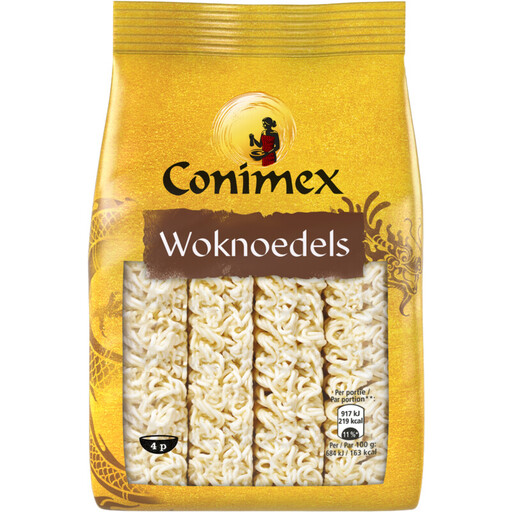
Why it suits this profile: An approachable pack for anyone who wants to make a quick stir-fry with vegetables and sauce. According to the product information, the noodles are ready in two minutes and suitable for three to four people.
The cooking time and intended use are clearly stated. This reduces the risk of buying noodles that are mainly intended for soups or cold dishes.
Quick to prepare, wheat-based and, according to the product description, suitable for vegetarian stir-fries.
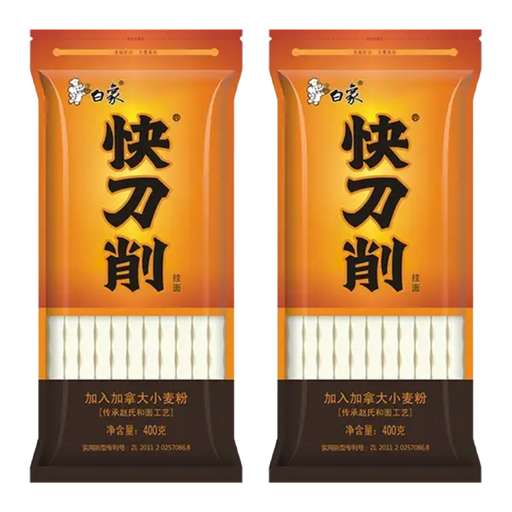
Why it suits this profile: The 8 mm-wide noodles, thicker in the centre and thinner at the edges, are ideal for anyone who enjoys hand-cut noodles with a firm bite.
The shape and cooking time of five to seven minutes are clearly described. This makes it easier to match the texture to soup, sauce or stir-frying.
Two 400-gram packs and a recipe containing wheat flour, wheat gluten, starch, salt and konjac flour.
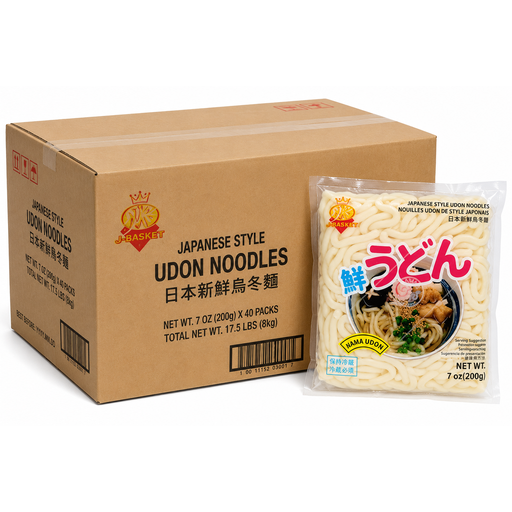
Why it suits this profile: The box contains thirty individually wrapped portions, making it suitable for professional kitchens, catering, large families and anyone who prepares Japanese udon noodles regularly.
The portions are individually wrapped. This makes it easier to plan stock and usage than with one large, opened bag.
Thirty 200-gram portions, suitable for soups, stir-fries and cold salads; according to the product information, free from artificial colourings and preservatives.
We have compiled a complete, up-to-date list of products that fully meet these strict selection criteria and the applicable European safety regulations.
For a quick midweek stir-fry, Conimex Wok Noodles or other stir-fry noodles are practical choices. For a hearty Chinese meal, you could choose Wheatsun Shanxi Knife-Cut Noodles, Shanghai noodles or Sichuan noodles. Special Wang Jjajang Noodles are the right match for jjajangmyeon. For a cold, spicy dish, choose bibim noodles such as Paldo Bibimmen; according to the preparation instructions, rinse them under cold water after cooking and mix them with the sauce.
For hotpot or malatang, wide starch noodles and complete kits are convenient. According to the product information, the Yu Mei Hot Pot Wide Bean Noodle contains a pack of noodles, chilli sauce and seasoning powder. Take extra care to check for soya, wheat and sesame in the sachets.
No. The noodles themselves may consist of wheat flour, water and salt, but flavour sachets, stock or oil may contain soya, sesame or other ingredients. Check the complete ingredients list and allergen information.
Use plenty of boiling water, stir while cooking and drain the noodles immediately. For cold dishes, you can briefly rinse them under cold water according to the product instructions. For stir-fries, adding the noodles right at the end can help.
That depends on the price per 100 grams, portion size and how much you actually use. A 2 kg pack is practical for intensive use, but a smaller pack may offer better value if it helps you avoid waste. For fresh and frozen varieties, also check your available storage space and the shelf life.
