
Vandaag of morgen in huis

Kwaliteit gegarandeerd

Welkomstaanbiedingen ontgrendelen: GRATIS bezorging | Tot 80% korting | Gratis 30 dagen JoyPlus-proefperiode
Download de app
Asian noodles come in many forms, from Korean and Chinese noodles to ramen, udon, buckwheat noodles and rice vermicelli. This wide selection is convenient, but it can also make choosing more difficult. Eye-catching packaging or claims such as “authentic flavour” do not always tell you enough about preparation, ingredients or serving size.
When buying Asian noodles online, shoppers most often encounter three common pitfalls:
The best choice depends primarily on the texture, preparation and intended use.
A concise ingredients list makes comparison easier. According to the product information, Bai Xiang Longxu Noodles 1 kg are made from wheat flour, while Kuai Lai Kuai Wang Shanghai noodles contain wheat flour, salt and water.
Composite instant noodle products often contain several sachets inside the pack. According to the product information, the Oyakata Instant Noodles Jap. Chicken Teriyaki Cup contains, among other ingredients, wheat, palm oil, soy, chicken pieces, vegetables and seasonings. NongShim Soon Veggie Ramyun contains wheat and soy and comes with soup seasoning and dried vegetables. If you have allergies, always check the label on the packaging; the retailer states that the actual packaging may contain more or different information.
For vegetarian noodles, checking that a product is “meat-free” is not sufficient. Review the complete ingredients list, allergen information and any certification shown on the packaging. Products such as Toyoung Vegetarian Noodles 300 g contain wheat flour and salt according to the listed ingredients, but are not automatically suitable for every allergy or dietary preference.
A small 200- to 400-gram pack is convenient when you want to try a new flavour. For students, families or anyone who regularly prepares stir-fries, a large pack of noodles may be the more practical option.
Also pay attention to preparation:
A short cooking time is convenient, but it does not determine whether the noodles deliver the flavour or texture you are looking for. Thin noodles work well in a light broth or with spring onion oil. Thicker noodles hold more sauce and provide a more substantial mouthfeel.
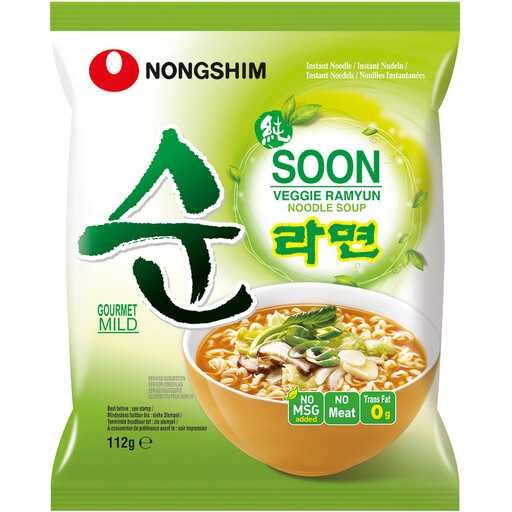
Why it stands out: A practical choice for students and households looking to prepare a bowl of ramen quickly. The pack contains noodles, soup seasoning and dried vegetables.
Check the salt content: the product information lists 4.1 g of salt per 100 g. Do not automatically add the entire seasoning sachet.
Quick to prepare, with a 112 g serving. According to the label, contains wheat and soy.
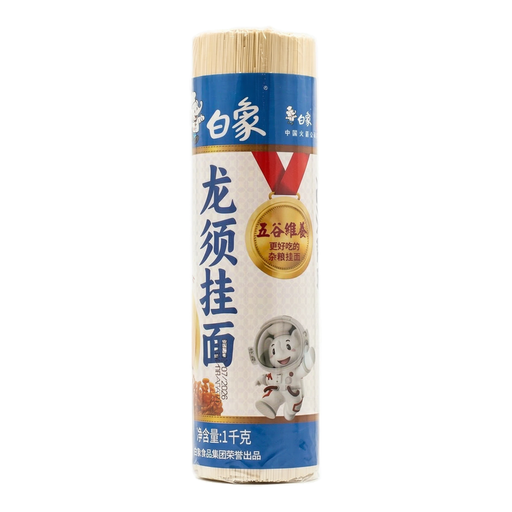
Why it stands out: For anyone who wants to create their own soups, sauces or stir-fried noodle dishes and is looking for a neutral base.
According to the product information, the ingredients list is limited to wheat flour. Make sure you choose a sauce or stock that suits your diet.
1 kg of noodles, a cooking time of approximately 5 to 6 minutes and fine noodles suitable for a wide range of dishes.
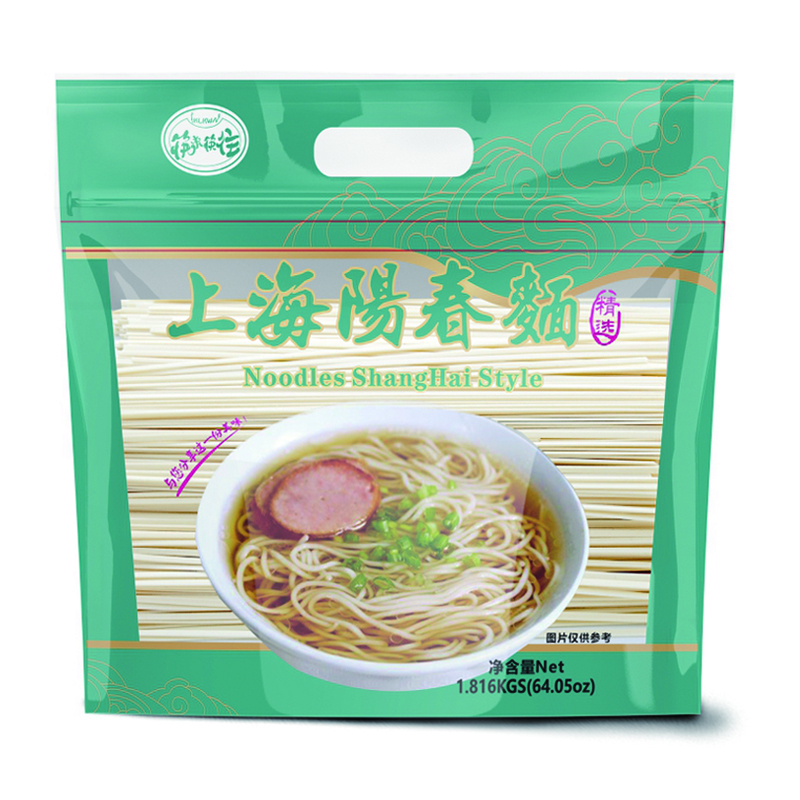
Why it stands out: Suitable for families, meal preppers and anyone who regularly uses noodles in soups or stir-fries.
The large pack only makes sense if you eat noodles regularly. Store the bag in a cool, dry place and seal it securely after opening.
1.816 kg of noodles, a cooking time of approximately 5 minutes and suitability for soups, fried noodles, cold dishes and hotpot.
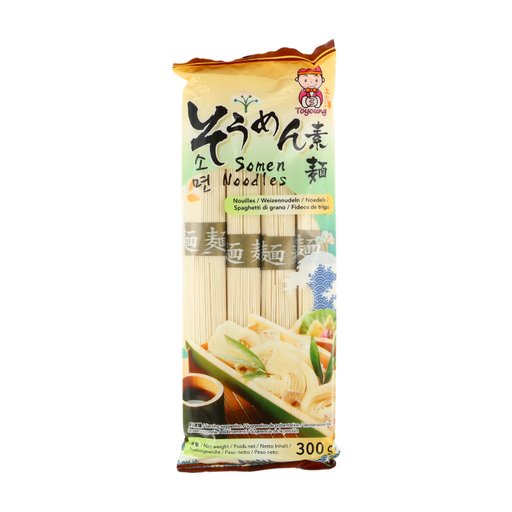
Why it stands out: A manageable stock for vegetarian soups, salads and stir-fries where you choose the seasonings yourself.
The listed ingredients are 99% wheat flour and salt. Check the current packaging if you follow a vegan diet or need to avoid allergens.
The 300 g pack is easy to manage for smaller households, while the neutral base pairs well with a variety of toppings.
Browse a current selection of noodles suited to different preparation methods, flavour preferences and storage needs.
Instant noodles, ramen and ready-to-serve udon bowls generally require the least preparation. However, check whether you only need hot water or also a saucepan, microwave and additional cooking time. With loose Chinese noodles, you will often still need to add sauce, stock, vegetables or tofu.
Store dried noodles according to the instructions on the product packaging in a cool, dry place, away from moisture and direct sunlight. Seal an opened bag securely to limit moisture absorption and the transfer of odours. Before use, check the best-before date and the condition of the packaging.
Not necessarily. Many buckwheat noodles also contain wheat flour. For example, Ottogi Buckwheat Noodles 400 g list a composition of 56% wheat flour and 30% buckwheat flour. Always read the allergen information and ingredients list before making your choice.
