
Vandaag of morgen in huis

Kwaliteit gegarandeerd

Welkomstaanbiedingen ontgrendelen: GRATIS bezorging | Tot 80% korting | Gratis 30 dagen JoyPlus-proefperiode
Download de app
A packet of Asian noodles may seem simple to choose, but there are major differences in ingredients, preparation and pack size. Chinese wheat noodles behave differently in a wok from rice vermicelli. Glass noodles absorb plenty of sauce, while Japanese udon are known for their thick, soft texture.
Most disappointing purchases usually come down to three common pitfalls:
The right choice starts with how you plan to prepare them. Pay particular attention to the ingredients, thickness and quantity per pack.
Chinese noodles, wok noodles and many ramen varieties are made from wheat flour. They generally have a firm bite and are suitable for broths or stir-fries. Be aware of the allergen gluten.
Rice vermicelli consists mainly of rice and water. These thin noodles are often soaked or briefly boiled and work well in Vietnamese salads, Thai dishes and light stir-fries. Sunlee Vietnamese Rice Vermicelli lists rice and water as its ingredients. If you have an allergy, always check the packaging and product information, as production facilities may process different ingredients.
Glass noodles are often made from mung bean, potato, wheat or other starches. According to the product description, Great Wall Tianjin Vermicelli is made from mung bean starch and water. Sunlee Long Kou Vermicelli lists mung bean, pea and corn starch. The term “glass noodle” therefore mainly refers to its translucent appearance, rather than one specific ingredient.
Check whether the noodles need to be boiled, soaked or prepared simply with hot water. This difference determines how convenient they are on busy weekdays.
For occasional use, 200 to 400 grams is often a manageable quantity. If you regularly cook for several people, you may want to consider 750 grams, 1.36 kilograms or 2 kilograms. A larger pack means fewer purchases, but store opened noodles somewhere dry and airtight.
Also pay attention to the serving instructions. A 460-gram pack of A’KUAN Broad Noodle Sesame Paste Flavor consists of instant wide noodles with sauce, sesame paste, seasonings and chilli oil. This is a different type of purchase from a plain bag of noodles to which you add your own stock, vegetables and protein.
The selection below is based on verifiable information such as ingredients, weight, preparation and listed allergens. Flavour descriptions are taken from the product descriptions and may vary from one user to another.
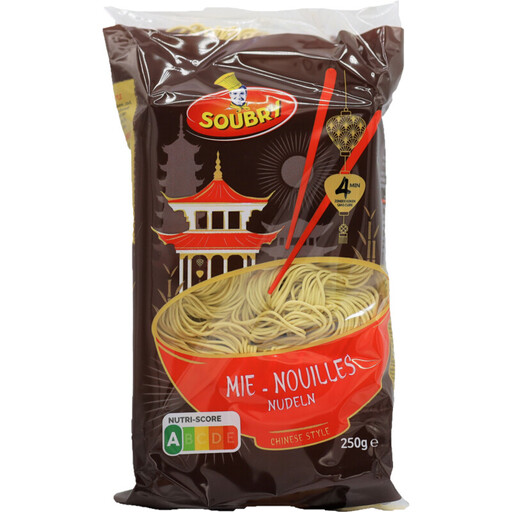
Why it suits this profile: The 250-gram pack is practical for your first stir-fry. According to the product information, the noodles are ready in around 4 minutes and do not need to be boiled beforehand.
The preparation information makes it clear that this is a quick-cook wok variety, rather than simply a noodle for every soup or salad.
250 grams, around 4 minutes’ preparation time and a composition based on wheat flour, salt and raising agents.
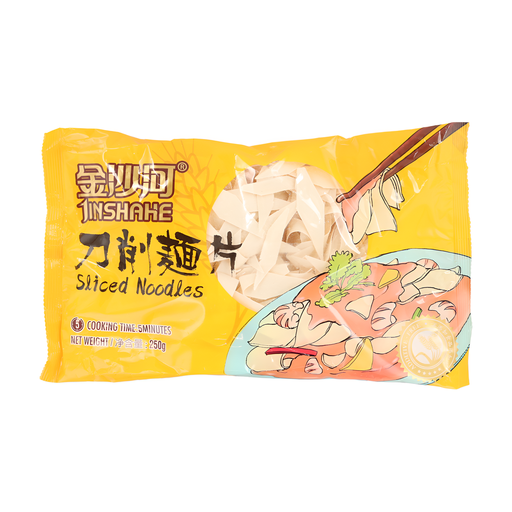
Why it suits this profile: The wide, cut shape is ideal for anyone who enjoys noodles with a firm bite in broth or stir-fries.
The shape and stated cooking time of 5 to 7 minutes provide more useful guidance than a general texture claim.
250 grams, a wide ribbon shape and three main ingredients: wheat flour, water and salt.
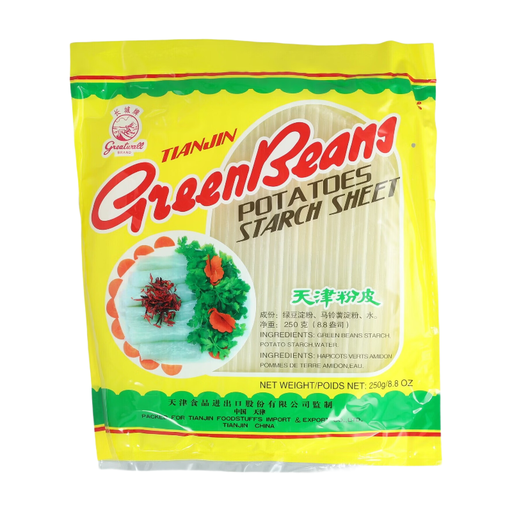
Why it suits this profile: According to the product information, these glass noodles are made from mung bean starch and water, making them suitable for hotpot, soup, stir-fries and cold salads.
The packaging provides clear soaking and cooking instructions, helping you avoid overcooking these thin noodles.
250 grams, a cooking time of around 2 to 3 minutes after soaking and no allergens listed in the product information.
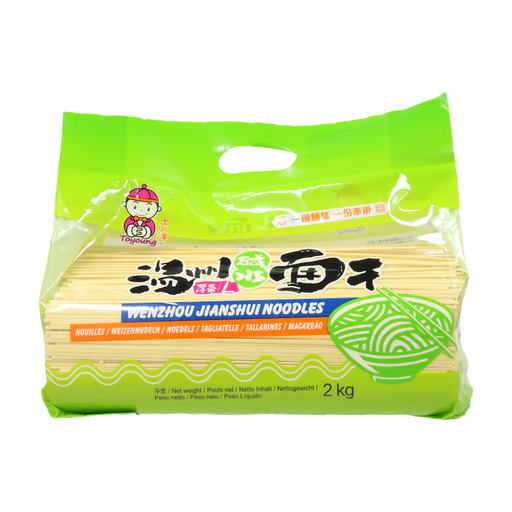
Why it suits this profile: The 2-kilogram pack is designed for regular use, large households, gatherings or professional kitchens.
The large format makes sense for repeat use, rather than for someone who simply wants to try a single portion.
2 kilograms, thick strands and suitable for soup, stir-fries and cold noodle dishes. Contains wheat and edible alkali.
We have put together a complete, up-to-date list of products that fully meet these strict selection criteria and the applicable European safety regulations.
Choose firm wok noodles made from wheat flour, or Chinese noodles that the packaging says should be briefly boiled or soaked. Add them at the end, once the vegetables, sauce and any tofu, meat or fish are cooked. Rice vermicelli can also work, but it is often soaked first and then stir-fried briefly.
Glass noodles are usually made from starch, such as mung bean starch, and become translucent when cooked. Rice vermicelli is rice-based and generally has a lighter, less elastic texture. The exact ingredients vary by brand, so always check the ingredients list.
Not all Asian noodles are gluten-free. Wheat products such as many ramen, udon and Chinese noodles, as well as buckwheat noodles containing wheat, contain gluten. Some glass noodles and rice vermicelli do not contain wheat according to the product information, but always check the label, allergen information and possible cross-contamination before buying.
