
Vandaag of morgen in huis

Kwaliteit gegarandeerd

Welkomstaanbiedingen ontgrendelen: GRATIS bezorging | Tot 80% korting | Gratis 30 dagen JoyPlus-proefperiode
Download de app
Asian noodles come in many forms: from hearty udon noodles and fine somen noodles to ramen noodles, soba noodles and ready-to-eat noodle pots. This wide selection is convenient, but it also makes choosing more difficult. An eye-catching packet doesn't always tell you about the cooking time, portion size or intensity of flavour.
As a Joybuy Product Recommendation Officer, I therefore focus on verifiable information: ingredients, net weight, preparation method, allergens and the intended use. That way, you avoid buying a bulk pack when you only eat noodles occasionally, or discovering that a spicy variety isn't suitable for a family meal.
Some fresh or pre-cooked noodles are ready after a short heat, while dried Chinese noodles need to boil for 5 to 7 minutes first. So check whether the product:
A product like JINBAIWEI Udon Noodles 200g should be heated in the microwave according to the product information and is not intended to be eaten raw. With a pot that includes sauce, extra water is often needed.
A pack of 1.82 or 2 kilograms can be handy for a family, restaurant or caterer. For a student or a household that doesn't eat many noodles, however, a bulk pack takes up more storage space and the packaging must be sealed properly after opening. So don't just compare the price per pack, but also:
Spicy noodles can get their heat from chilli, Sichuan pepper, chilli oil or a spice blend. The intensity varies by recipe and brand. With spicy varieties, look at the ingredients list. Yi Wan Wu Dong Stir-Fried Udon Noodles, Spicy Braised contains, according to the product description, chilli, Sichuan pepper oil, sesame paste and soy sauce. That gives a different flavour profile to a mild miso or salt broth.
The texture of the noodle partly determines how a dish turns out.
For noodles for soup, thinner varieties or ramen are often practical. For noodles for stir-fries, udon and firm soba are suitable because they hold their texture better during tossing.
Many Asian noodles contain wheat and therefore gluten. Soy sauce, sesame, peanuts, egg, milk, chicken or pork components can be in the seasoning mix or sauce. Check the actual packaging, especially with composite ready-to-eat noodles. The online product information can change and does not replace the label.
A 200-gram pack is practical for an individual meal or light portion. A 2-kilogram pack or a box with 30 portions of 200 grams is more aimed at families, hospitality and catering. With instant noodles containing three portions, check whether the weight per portion is clearly stated.
Dried noodles usually need to be prepared in boiling water. Pre-cooked udon can sometimes be rinsed or briefly heated. Microwave products require a microwave-safe bowl, the correct wattage setting and sometimes a loose lid. Store unopened noodles according to the product information and seal opened packs well.
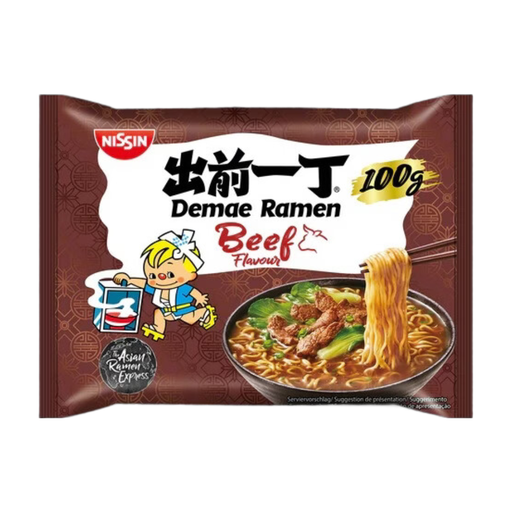
Why this fits the profile: A single portion of instant noodles is straightforward for anyone wanting to try ramen for the first time without buying a multipack.
The 100-gram portion makes the quantity clear. The preparation is geared towards a quick meal, but check the allergens and nutritional values on the packaging.
100 g per pack and beef flavour according to the product description.
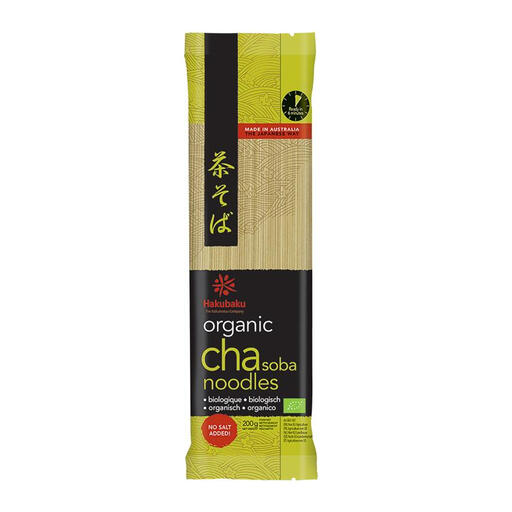
Why this fits the profile: Ideal for fans of Japanese noodles who want a distinctive flavour and soba texture for cold or hot dishes.
The composition states 97% wheat flour, 2% green tea powder and 1% buckwheat flour. So you know what to expect in terms of flavour and ingredients.
200 g pack and an ingredients list featuring green tea and buckwheat.
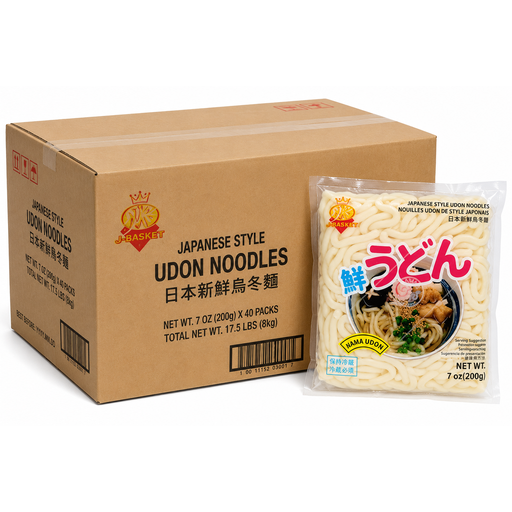
Why this fits the profile: The box with 30 individual portions suits restaurants, caterers, large families and regular udon users.
The portions are packed individually at 200 grams each. That means you don't have to reseal a large opened bag every time, although storage according to the label is still necessary.
30 portions of 200 g and, according to the product information, suitable for soup, stir-fries and cold noodle dishes.
We've put together a full, up-to-date list of products that fully meet these strict selection criteria and comply with current European safety regulations.
Udon noodles, firm soba and some Chinese noodles are suitable for stir-fries. Choose a variety that holds its bite well after cooking or heating. Add the noodles only at the end and toss them briefly with the sauce to prevent sticking or overcooking.
Ramen noodles are generally thinner and are often eaten with broth. Udon noodles are thicker and more elastic, making them a good match for stir-fries and hearty soups. Soba noodles contain buckwheat and usually have a distinctive, earthy flavour. Do check the ingredients, though, because the proportion of buckwheat varies by product.
Store dried noodles in a cool, dry place and keep them well sealed. Fresh or pre-cooked noodles should be stored according to the packaging and often need to be used immediately after opening. With ready-to-eat noodles and instant noodles, follow the stated preparation and storage instructions. Check the best-before date before buying, and if you have allergies, always read the current label.
