
Vandaag of morgen in huis

Kwaliteit gegarandeerd

Welkomstaanbiedingen ontgrendelen: GRATIS bezorging | Tot 80% korting | Gratis 30 dagen JoyPlus-proefperiode
Download de app
Asian noodles come in many forms: from Chinese noodles for the wok to Korean buckwheat noodles, Japanese udon noodles and rice vermicelli for soup or spring rolls. The difference isn't just about flavour. Preparation time, packaging, ingredients and nutritional values also determine whether a product suits your cooking.
Packaging can sometimes be misleading. A product labelled "handmade", "zero fat" or "authentic" isn't automatically right for your dish. So start by looking at the verifiable information on the label.
Not every noodle is instant. Some products need 4 to 8 minutes of boiling, others require soaking first or just rinsing and heating. If you buy a cooking noodle for a quick lunch, you might still need a pan and extra preparation time.
Also pay attention to the difference between "ready to eat" and "cooking required". Instant noodles with sauce are convenient, but they often already contain seasoned oil, salt or flavourings. With dry wok noodles, you control the sauce and the amount of oil yourself.
The proportion of buckwheat varies from product to product. RISHIJI, for example, states 20% buckwheat flour, while YunShanBan states 40% buckwheat flour. The remaining ingredients and nutritional values therefore differ. Always check the allergens too. Buckwheat is sometimes listed alongside wheat and gluten in the product information.
A low fat content doesn't automatically mean a complete meal is light or balanced either. Sauces, toppings and portion size all count.
An 800-gram or 1-kilogram pack can be cost-effective for a household that eats noodles often. But do check the shelf life after opening and the storage instructions. Fresh udon in a box of 30 portions is practical for large households or catering, but less suitable if you only use noodles occasionally.
Wheat noodles are generally elastic and suitable for wokking or soup. Udon is thicker and soft-chewy. Buckwheat noodles often have a firmer bite and an earthy flavour. Look at the percentage of buckwheat flour rather than just the product name.
For a high-fibre choice, compare the nutritional table. Go-Tan Whole Grain Noodles, for example, states 9 grams of dietary fibre per 100 grams. That's a product specification, not a general health claim.
Compare nutritional values per 100 grams, but note whether this refers to dry noodles, prepared noodles or noodles including sauce. A'KUAN Broad Noodle Sesame Paste Flavor states 442 kcal and 3.95 grams of salt per 100 grams. YuanXian Chengdu Cold Noodles, including all seasoning sachets, states 5.5 grams of salt per 100 grams. If you prefer fewer ready-made flavourings, it's better to choose neutral noodles and make your own sauce.
When checking vegan noodles, look not only at the noodles themselves but also at the sauce sachets. Wheat, soya, sesame, peanut, egg and mustard may be present as allergens.
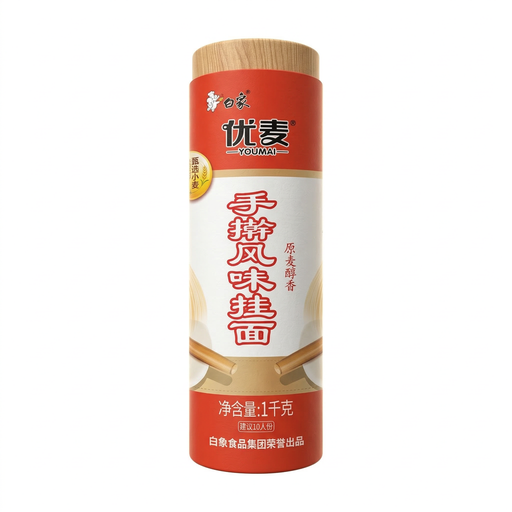
Why this fits the profile: The 1-kilogram pack suits households that regularly prepare stir-fries, soup or cold noodle dishes.
The preparation instructions clearly state 4–6 minutes of boiling. So you're not buying an instant product that needs to be prepared differently.
1 kg; suitable for soup, stir-fries and cold preparations; per 100 g 340 kcal and 0.875 g salt according to the product information.
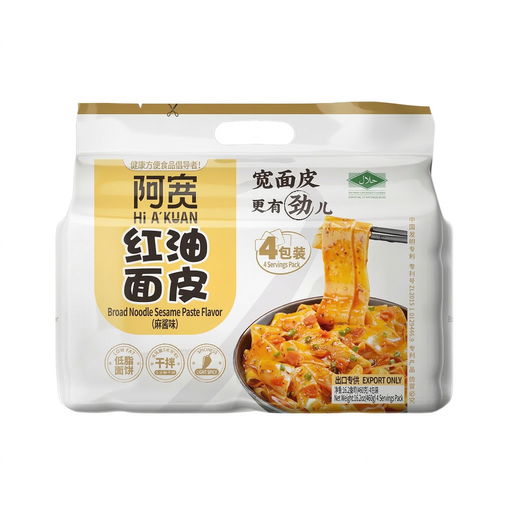
Why this fits the profile: The wide, non-fried noodle sheets combine a firm texture with separate sauce and seasoning sachets.
The product information explicitly mentions a preparation using around 500 ml of boiling water and a resting time of 4–5 minutes.
Individually wrapped; sesame paste, seasoning powder and chilli oil included; non-fried noodle sheets.
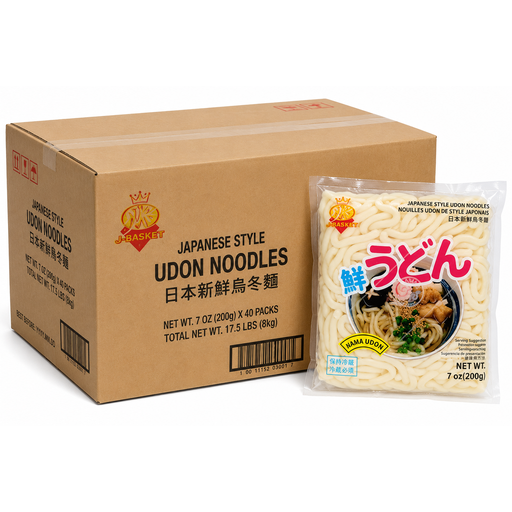
Why this fits the profile: The box of 30 individual 200-gram portions is aimed at large households, meal planning or professional use.
The portions are already divided, so you don't have to weigh out from a large opened pack each time.
30 packs; suitable for soup, wok and cold dishes; per 100 g 120 kcal according to the product information.
For a Korean preparation, NH Buckwheat Noodles with 20% buckwheat flour or Wang Korean Buckwheat Noodles are possible options. If you're looking for a firm, wide Chinese noodle, take a look at Bai Xiang Knife-shaved noodles. For a plant-based and allergen-free option according to the stated product information, City Aroma Shirataki Fine Noodles are relevant. Always check the current packaging, ingredients list and allergen information before ordering.
We've put together a full, up-to-date list of products that fully meet these strict selection criteria and comply with current European safety regulations.
Choose firm wheat noodles, Chinese yellow noodles, hand-cut noodles or udon. Cook them according to the pack instructions and stir-fry them a little less time if needed, so they don't become too soft. Rinse some dry noodles briefly before adding them to the wok.
Store dry noodles sealed, in a cool, dry place away from direct sunlight and moisture. Fresh udon and opened shirataki noodles have different storage advice; check the packaging for that. Prepared noodles are best served straight away.
That depends on the portion size, packaging and included sauce. Instant noodles save time, while an 800-gram or 1-kilogram bag is often more practical for several home-made meals. So compare the price per 100 grams, not just the price per pack.
