
Vandaag of morgen in huis

Kwaliteit gegarandeerd

Welkomstaanbiedingen ontgrendelen: GRATIS bezorging | Tot 80% korting | Gratis 30 dagen JoyPlus-proefperiode
Download de app
Asian noodles come in many forms: from Chinese noodles for stir-fries to Japanese soba noodles, Vietnamese rice vermicelli and Thai instant noodles. The difference isn't just about flavour. The ingredients, cooking time, texture, packaging and allergens all determine whether a product suits your kitchen.
If you only look at a colourful packet or an appealing flavour name, you could end up with an impractical purchase. Some noodles contain wheat, for example, when you're actually looking for gluten-free noodles. Other packets look large, but contain several small portions or lots of seasoning sachets with a high salt content.
Spinach noodles and vegetable noodles often get their colour from a limited amount of vegetable or vegetable powder. Always check the ingredients list and nutritional values. Sempio Green Tea Vermicelli lists wheat flour, green tea and spinach powder among its ingredients. The product contains gluten.
The same goes for colourful dried noodles – the colour is no guarantee of a high vegetable content. YunShanBan Colorful Vegetable Dried Noodles contains purple sweet potato, spinach, pumpkin, carrot and beetroot in powder or juice form. The base remains wheat flour and the product contains gluten.
Instant noodles are convenient, but the seasoning sachets can contain relatively high levels of salt, oil and flavour enhancers. MAMA Green Curry Instant Noodles, for example, lists 5.5 to 5.9 grams of salt per 100 grams, depending on the product packaging. This makes them suitable as a quick meal, but not automatically as a daily staple.
Also consider whether you're buying a single packet or a bulk pack. A box of 30 packets weighing 55 grams each is handy for stocking up and for families, whereas a single portion is better when you want to try a flavour first.
Rice vermicelli, glass noodles and dried wheat noodles each require a different preparation method. Some rice noodles need to be soaked first and then briefly boiled. Other noodles need to go straight into boiling water for a few minutes. Overcooking can make thin noodles soft and sticky.
Also pay attention to the difference between ready-to-eat cold noodles and ordinary dry noodles. YuanXian Authentic Chengdu Cold Noodles contains pre-cooked noodles and sauce sachets. You mix the product according to the packaging instructions, rather than boiling the noodles for a long time.
Always check the full ingredients list, especially if you have a food allergy or dietary preference. Wheat noodles, Chinese noodles, Japanese noodles and many Korean noodles often contain gluten. Soba is not necessarily gluten-free: Hakubaku Cha Soba consists largely of wheat flour according to the product information and contains wheat.
For gluten-free noodles, rice noodles and mung bean vermicelli are possible options, but check the label and the production environment. Pine Bean Vermicelli is described as being made from mung bean starch and water, and according to the product information provided, it contains none of the 14 major EU allergens. Another option is Vietnamese rice vermicelli made from rice, such as Bamboo Tree Fine Rice Vermicelli with pandan.
The shape affects how a noodle behaves in a dish:
A packet of 200 to 300 grams is practical for trying out a product. For families or regular cooking, packets of 500 grams to 1 kilogram are more cost-effective per meal, as long as you store the noodles in a dry, sealed container.
Check the best-before date on the packaging. With fresh products, such as some Vietnamese rice sticks, the storage time can be much shorter than with dried varieties. Sunlee Vietnamese Rice Stick Noodles lists a short shelf life of 21 days. So check the date upon receipt and store the product according to the label.
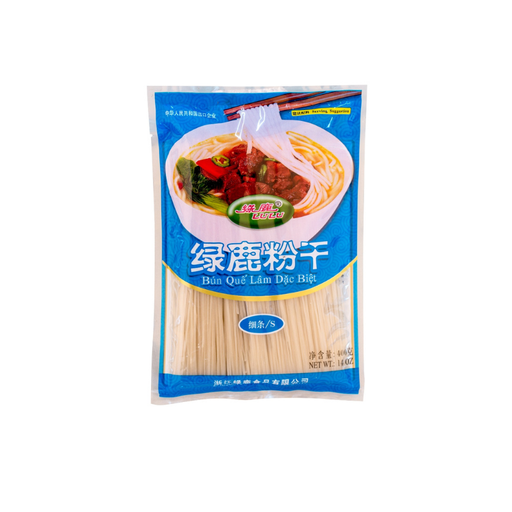
Why this suits the profile: A simple base for anyone wanting to try rice noodles without buying a large stock straight away. The packet contains 400 grams and the noodles are suitable for stir-frying, soup and cold dishes.
The product information clearly states that cooking is required and gives an approximate preparation time of 5 to 8 minutes. This makes the intended use clear from the outset.
Ingredients: rice and water. No allergens according to the product information; suitable for multiple everyday recipes.
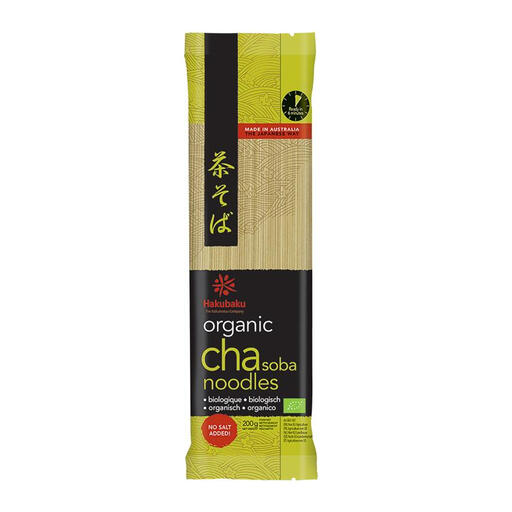
Why this suits the profile: For anyone looking for Japanese noodles with a recognisable soba style and green tea in the ingredients list. The noodles work well for hot or cold preparations.
The composition lists 97% wheat flour, 2% green tea and 1% buckwheat flour. It is therefore not a gluten-free soba, and the product choice remains transparent.
200 grams per packet; low stated salt content of 0.007 grams per 100 grams according to the product information.
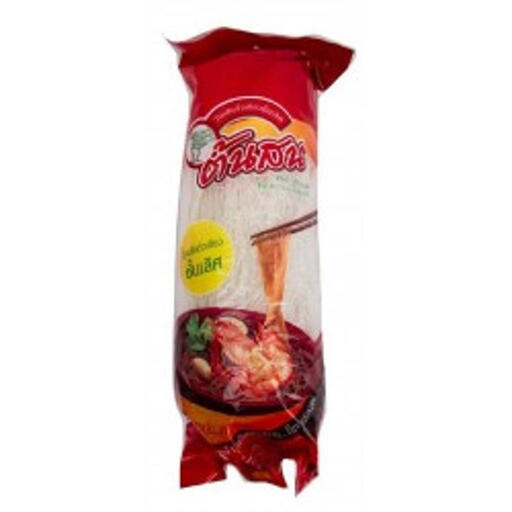
Why this suits the profile: A generous packet for hotpot, salads, soups and stir-fried dishes. The mung bean vermicelli is practical when you regularly make different Asian meals.
The base consists of mung bean starch and water according to the product information. This makes the distinction from wheat products clearer; check the label with each purchase.
500 grams; smooth, translucent texture; suitable for a gluten-free diet according to the product information.
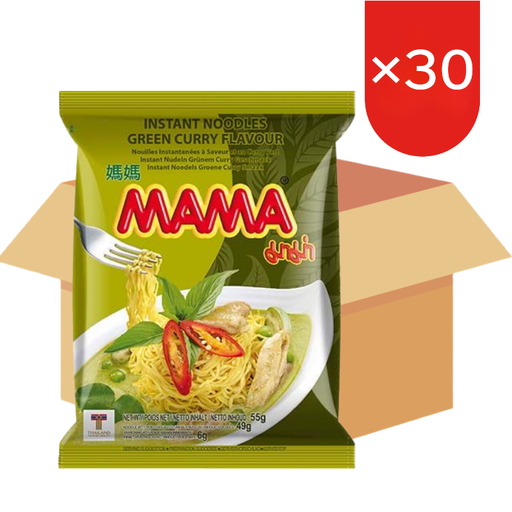
Why this suits the profile: The individual portion is handy for a quick lunch at home, in the office or on the go. Preparation with boiling water takes approximately 3 minutes according to the product information.
The preparation is short and clear: place noodles and seasonings in a bowl, add boiling water and leave to stand for 3 to 4 minutes. Do check the allergens and salt content.
55 grams per portion; Thai green curry flavour; quick preparation without a pan according to the usage instructions.
We've put together a full, up-to-date list of products that fully meet these strict selection criteria and comply with current European safety regulations.
For stir-fries you can use thin rice noodles, wide Chinese noodles, glass noodles and wheat noodles, among others. Look at the preparation method: some varieties need to be soaked or boiled first and then briefly stir-fried. Add thin noodles at the end to prevent them from falling apart.
Rice itself does not contain gluten, but always check the ingredients list and allergen information. Some products may come into contact with other grains during production. Sunlee Vietnamese Rice Stick Noodles consist of 100% rice according to the product information and contain none of the 14 major EU allergens. Still check the current packaging when you buy.
Store dried noodles in a cool, dry place, away from direct sunlight and moisture. Seal an opened packet tightly. Fresh rice noodles usually have a shorter shelf life and need to be refrigerated or used quickly according to the packaging. When ordering online, pay particular attention to the best-before date and the storage instructions upon receipt.
