
Vandaag of morgen in huis

Kwaliteit gegarandeerd

Welkomstaanbiedingen ontgrendelen: GRATIS bezorging | Tot 80% korting | Gratis 30 dagen JoyPlus-proefperiode
Download de app
Asian noodles come in many forms, from firm udon noodles and buckwheat noodles to thin shirataki and Korean noodles. With so much choice, deciding which ones to buy is not always easy. Packaging featuring words such as “light”, “authentic” or “healthy” also does not automatically tell you how the noodles fit into your diet or dish.
If you are looking to buy Asian noodles, it is best to focus on the ingredients, nutritional values, preparation method and pack size. Below, we explain the common pitfalls, which specifications matter and which options suit different needs.
Buckwheat itself contains no gluten, but many soba noodles and other buckwheat noodles are made using a combination of buckwheat flour and wheat flour. Wheat contains gluten, so always check the ingredients list and allergen information.
For example, YunShanBan 0 Fat Buckwheat Noodles contain 40% buckwheat flour, but also wheat flour and edible salt. The product information explicitly lists wheat and gluten as allergens. Hakubaku Cha Soba is also described as consisting of 97% wheat flour and containing just 1% buckwheat flour, alongside 2% green tea.
A product containing 0 grams of fat can still be relatively high in carbohydrates and calories. According to the nutritional information, YunShanBan noodles contain 330 kcal and 70.8 grams of carbohydrates per 100 grams, despite containing 0 grams of fat.
Always compare several values per 100 grams. Pay attention to energy, carbohydrates, protein, fat and salt. Also check whether the nutritional information applies to the dry noodles or to a product that has already been prepared.
Dry noodles have a long shelf life and are convenient to keep in your cupboard, but a 1-kilo pack is not suitable for every household. With fresh or ready-to-eat konjac noodles, storage instructions after opening are also more important.
Shirataki noodles are generally ready to use after rinsing and heating. Other varieties need to be boiled for several minutes. So do not just check the price per pack; also consider the portion size, shelf life and how much you will actually use.
The ingredients determine the texture, flavour and suitability for a particular diet.
If you are looking for low-calorie noodles or low-carb noodles, shirataki and other konjac varieties are often the best options. City Aroma Shirataki Fine Noodles list 7 kcal and 1.7 grams of carbohydrates per 100 grams. City Aroma Shirataki Udon lists 9.5 kcal and 1.5 grams of carbohydrates per 100 grams.
That is a clear difference compared with dried wheat and buckwheat products, which generally contain around 287 to 358 kcal per 100 grams according to the nutritional information provided. However, remember to consider the portion size and sauce: oil, peanut sauce, coconut milk and ready-made stock can significantly affect the nutritional value of the complete meal.
Dry noodles generally have a cooking time of three to seven minutes. According to the packaging, YunShanBan 0 Fat Buckwheat Noodles are ready in 3 to 5 minutes. Wheatsun Buckwheat Noodles need 5 to 7 minutes. Rinsing them with cold water is particularly useful for cold salads, as this stops the noodles from continuing to cook and helps prevent them from sticking together.
Shirataki noodles are different. These konjac noodles are already prepared and, according to the product information, should be rinsed and heated. They have a neutral flavour and an elastic texture. This means they absorb sauces and stock well, but they do not taste the same as wheat, rice or buckwheat noodles.
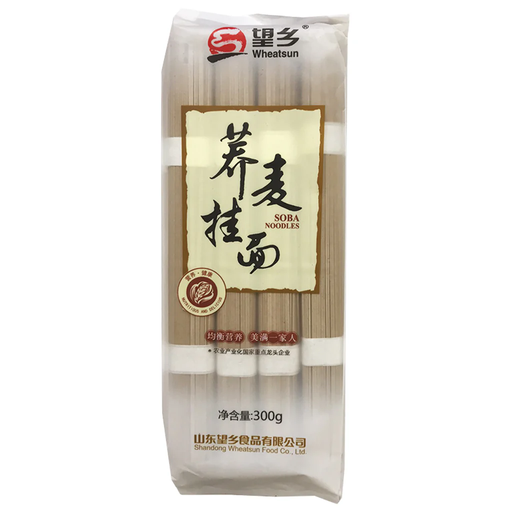
Why it suits this profile: A dry product in a 300-gram pack for anyone who regularly makes noodle soup, stir-fries or cold salads.
The product information clearly states that wheat and gluten are present. The percentage of buckwheat is not given, so it should not be mistaken for a gluten-free option.
Dry and easy to store; cooking time of approximately 5 to 7 minutes; suitable for hot and cold dishes.
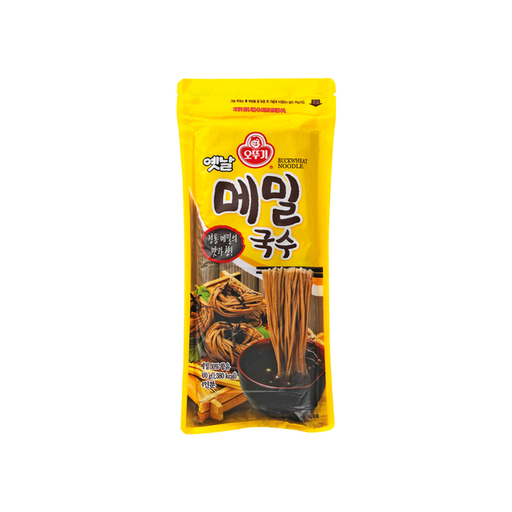
Why it suits this profile: Designed for fans of Korean noodle dishes who value a firm texture and a higher stated percentage of buckwheat.
The ingredients list states that it contains 30% buckwheat flour, as well as wheat and gluten, and may contain traces of soya and egg. This allows you to make your choice based on allergen information.
400 grams per pack; 30% buckwheat flour; according to the product description, designed to provide a firm, chewy texture.
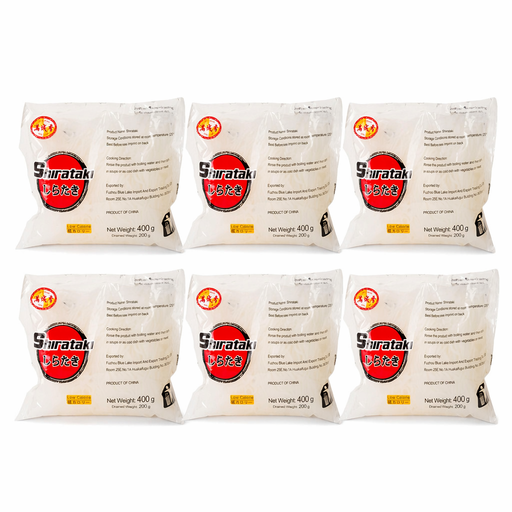
Why it suits this profile: Handy for anyone who cooks often and wants to keep several portions of low-calorie, low-carb noodles in stock.
The nutritional information lists 7 kcal and 1.7 grams of carbohydrates per 100 grams. The noodles are ready to use after rinsing and heating.
Made with konjac flour; according to the product information, vegan and free from the 14 main EU allergens; neutral flavour.
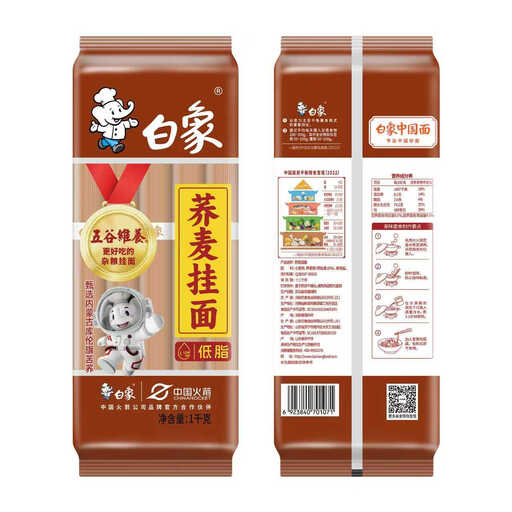
Why it suits this profile: A large pack for families, meal-preppers or households that regularly prepare Asian dishes.
The ingredients are clearly stated: 88.7% wheat flour, 10% buckwheat flour and 1.3% salt. So this is not a gluten-free noodle.
1 kilo of dry noodles; suitable for soup, cold noodles and stir-fries; cooking time of approximately 5 to 7 minutes.
We have put together a complete, up-to-date list of products that fully meet these strict selection criteria and the applicable European safety regulations.
No. Many soba noodles contain wheat flour as well as buckwheat flour. Read the ingredients and allergen information carefully. A product with a high proportion of buckwheat is therefore not automatically suitable for a gluten-free diet.
Shirataki and other konjac noodles are often chosen because of their low stated energy and carbohydrate content. For example, City Aroma Shirataki Fine lists 7 kcal per 100 grams. Always check the current packaging and remember to take the sauce and other meal ingredients into account.
Dry noodles generally have a long shelf life when stored in a cool, dry place in a sealed container. The exact date is shown on the packaging. Ready-to-eat shirataki noodles have different storage instructions; follow the label and store an opened pack according to the stated conditions.
