
Vandaag of morgen in huis

Kwaliteit gegarandeerd

Welkomstaanbiedingen ontgrendelen: GRATIS bezorging | Tot 80% korting | Gratis 30 dagen JoyPlus-proefperiode
Download de app
Asian noodles come in many shapes, thicknesses and compositions. Buckwheat noodles, rice noodles, udon noodles and glass noodles all react differently to boiling, soaking and stir-frying. What’s more, the packaging might use terms like “light”, “traditional” or “healthy choice”, when the real differences lie in the ingredients, portion size and cooking method.
With this practical guide, you can compare Asian noodles based on verifiable product information. That way, you’ll avoid buying a large pack that doesn’t suit your dishes, or choosing noodles that turn soft and sticky after just a few minutes of cooking.
“Buckwheat noodles” are often a blend of buckwheat flour and wheat flour. The buckwheat percentage can vary widely: from 10% to 40% or more. If you’re after a distinct buckwheat flavour, it’s worth checking the ingredients list and the quantitative ingredient declaration.
Also keep an eye on allergens. Many soba noodles and other buckwheat noodles contain wheat and therefore gluten. Buckwheat itself is not wheat, but a product with, say, 30% buckwheat flour may still be mostly wheat flour.
Noodles are mostly made from flour or starch, so they provide carbohydrates. A product may show 0 grams of fat per 100 grams on the nutrition panel and still deliver around 330 kcal per 100 grams of dry product. Always compare like with like: dry weight with dry weight, or prepared product with prepared product.
A 1 or 2 kilogram bag might look appealing for families and meal preppers, but dried noodles take up cupboard space and can absorb moisture once opened. Only choose a large pack if you use the product regularly. Check the storage instructions, keep the bag tightly sealed and look at the best-before date on the packaging.
For a pronounced nutty flavour, buckwheat noodles with a higher buckwheat percentage are a logical choice. The range includes several different compositions:
The remaining ingredients also determine the texture. Wheat gluten often provides an elastic, firm bite. If you have an allergy or intolerance, always check the label and allergen information.
The shape determines how noodles behave in a dish:
Pay attention to the cooking instructions. Some dried noodles need to boil for 3 to 5 minutes, while rice noodles should be soaked for 10 to 20 minutes first. The packaging is your guide.
Compare the nutritional values per 100 grams. YunShanBan, for example, states 330 kcal, 0 grams of fat, 70.8 grams of carbohydrates and 11.5 grams of protein per 100 grams. Go-Tan Whole Grain Noodles states 9 grams of dietary fibre per 100 grams and, according to the label, consists of 80% wholemeal wheat flour and 20% wheat flour.
Also check the salt content. Ottogi Buckwheat Noodles states 3.96 grams of salt per 100 grams, while other products have a lower stated salt level. That difference can matter when you combine the noodles with salty soy sauce, broth or ready-made seasonings.
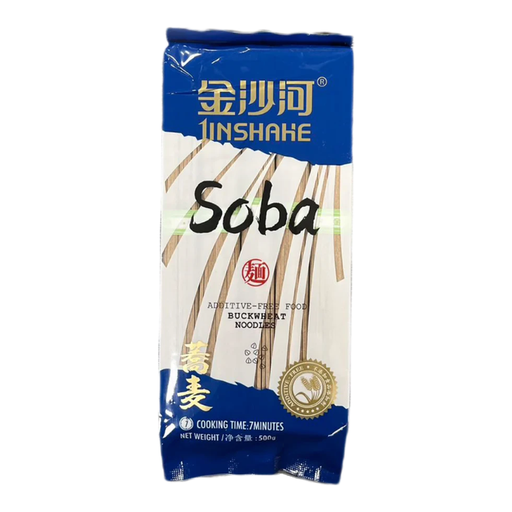
Why this fits the profile: The 500-gram pack is practical if you regularly make noodle soup, cold salads or stir-fries and want to try out different recipes.
The product states the buckwheat percentage of minimum 30% and displays the ingredients and nutritional values per 100 grams.
500 grams per pack; suitable for hot and cold dishes; 5 grams of dietary fibre per 100 grams according to the product information.
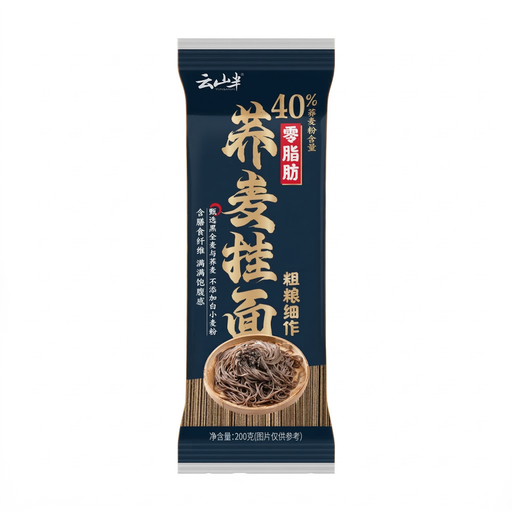
Why this fits the profile: A clear composition with 40% buckwheat flour suits shoppers who actively compare flour ratios and nutritional values.
The “0 fat” claim can be verified on the nutrition panel: it shows 0 grams of fat per 100 grams. The product does contain wheat and gluten.
40% buckwheat flour; 200-gram pack; cooking time of approximately 3 to 5 minutes according to the product information.
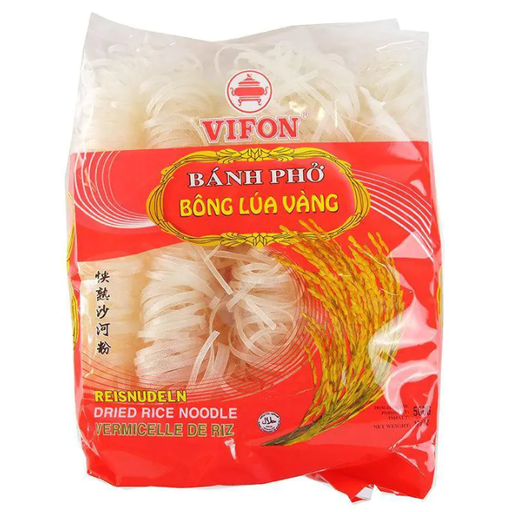
Why this fits the profile: The 3 mm wide rice noodles are designed for Vietnamese pho, salads and stir-fries, making them ideal for a specific cooking style.
The diameter and cooking instructions are stated, so you won’t confuse this product with thin vermicelli or thick udon noodles.
500-gram pack; 3 mm rice noodles; suitable for pho, soup, salad and stir-fries.
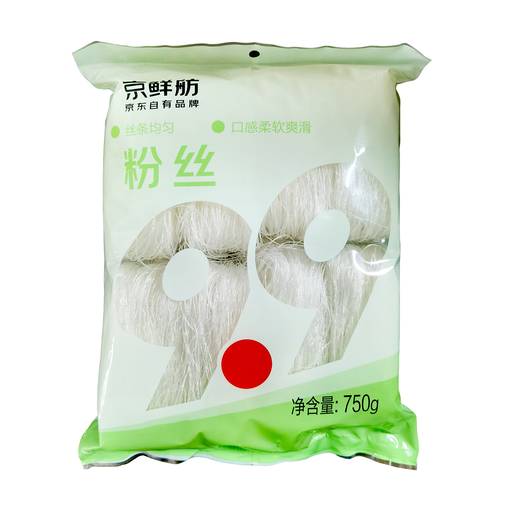
Why this fits the profile: The large pack is handy for multiple diners, pantry use and meal prep with soup, salad or stir-fries.
The product information states a clear composition of 97% wheat starch and 3% pea starch. This shows that “glass” refers to the appearance, not a separate grain type.
750-gram pack; can be soaked in warm water and briefly boiled; suitable for soup, salad, stir-fries and spring rolls.
We’ve put together a full, up-to-date list of products that fully meet these strict selection criteria and comply with current European safety regulations.
Vietnamese pho typically uses rice noodles. Pay attention to the width: 3 mm gives a different bite than very thin rice vermicelli. Soak or cook the noodles according to the instructions and add them to the hot broth only when serving.
Not automatically. Many buckwheat noodles also contain wheat flour or wheat gluten. Always check the ingredients list and allergen declaration. Products made with only buckwheat are also not the same as products where buckwheat makes up just 10%, 20% or 40% of the flour.
The unopened shelf life is stated on the packaging. Once opened, dried noodles generally keep best when stored dry, cool and tightly sealed. Always follow the information on the label, especially for products with a shorter shelf life or specific storage advice.
