
Vandaag of morgen in huis

Kwaliteit gegarandeerd

Welkomstaanbiedingen ontgrendelen: GRATIS bezorging | Tot 80% korting | Gratis 30 dagen JoyPlus-proefperiode
Download de app
Asian noodles come in many shapes, thicknesses and varieties. Rice noodles for a Vietnamese noodle soup, glass noodles for hotpot, soba noodles for a Japanese meal or instant noodles for a quick lunch: the right choice mainly depends on the dish and how much preparation time you have.
There are, however, a few common pitfalls to watch out for. Attractive packaging, for example, tells you little about the texture after cooking. Terms such as “authentic” and “vegetable” can also be used more broadly than you might expect. Always check the ingredients, allergens and preparation instructions on the packaging.
A product with “vermicelli” in its name may be made from rice, mung bean starch, wheat or a combination of these. Rice vermicelli and mung bean vermicelli behave differently in a wok or salad. Check the percentage of rice, starch or wheat flour in the ingredients list.
Green or brightly coloured noodles may contain small amounts of spinach powder, pandan leaf, pumpkin or carrot. YunShanBan Colorful Vegetable Dried Noodles, for example, lists at least 3% of each vegetable variety. This explains the colour, but it does not automatically make the product a substitute for vegetables in a meal.
Instant noodles often come with a separate seasoning or sauce sachet. As a result, the nutritional values can differ considerably from those of plain dried noodles without seasoning. YuanXian Authentic Chengdu Cold Noodles, for example, lists 5.5 grams of salt per 100 grams for noodles including all seasonings. Using less sauce allows you to adjust the flavour and quantity yourself, but always check the packaging.
If you are looking for gluten-free noodles, you need to look beyond the product name. According to the product information, Bamboo Tree rice noodles consist of rice, tapioca and water and do not list any of the 14 major EU allergens. Pine Bean mung bean vermicelli is likewise described as being made from mung bean starch and water.
By contrast, many Chinese noodles, Korean noodles and Japanese soba noodles contain wheat. According to the product specification, Hakubaku Cha Soba consists of 97% wheat flour, with green tea and buckwheat as additional ingredients. It is therefore not the same as gluten-free soba.
If you have an allergy, always read the latest label. Recipes, cross-contamination warnings and packaging information may change.
The thickness determines how quickly noodles cook and how well they hold sauce.
Follow the preparation instructions. Some rice noodles need to be soaked first and then briefly cooked, while other noodles can go straight into boiling water.
A 200-gram pack is useful when you want to try different varieties. For a family or regular use, packs of 500 grams to 1 kilogram are more practical. With instant noodles, also check the size of each portion: a box containing several small packs is not the same as a large pack of dried noodles.
Think about what you are buying the noodles for:
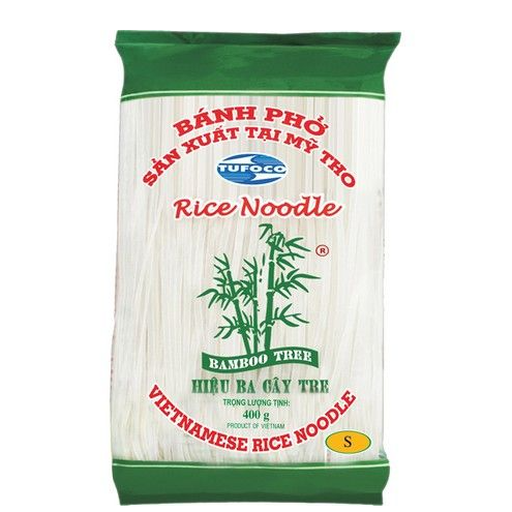
Why this suits the profile: The 400-gram pack gives you the opportunity to try Vietnamese dishes, stir-fries and salads without immediately buying a larger pack.
The product specification states a thickness of 1 mm and a rice content of 72%, allowing you to gauge the texture and intended use in advance.
400 g; 1 mm thick; ingredients based on rice, tapioca and water.
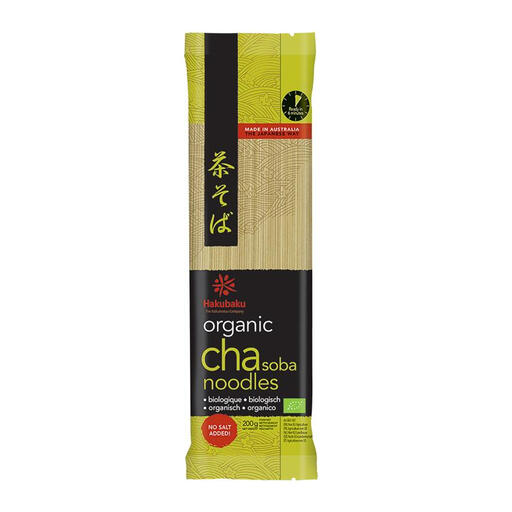
Why this suits the profile: These Japanese noodles offer a distinctive flavour thanks to the addition of green tea and buckwheat, ideal if you want to cook with clearly defined ingredients.
The composition lists 97% wheat flour, 2% green tea and 1% buckwheat. This makes it clear that these are not gluten-free noodles.
200 g; green tea among the ingredients; suitable for a Japanese noodle meal.
Why this suits the profile: The large pack is practical for families, hotpot evenings and anyone who regularly uses glass noodles or mung bean vermicelli.
The product information lists mung bean starch and water as the ingredients. You do not have to guess whether wheat flour has been added.
500 g; mung bean starch; according to the product information, free from the 14 major EU allergens.
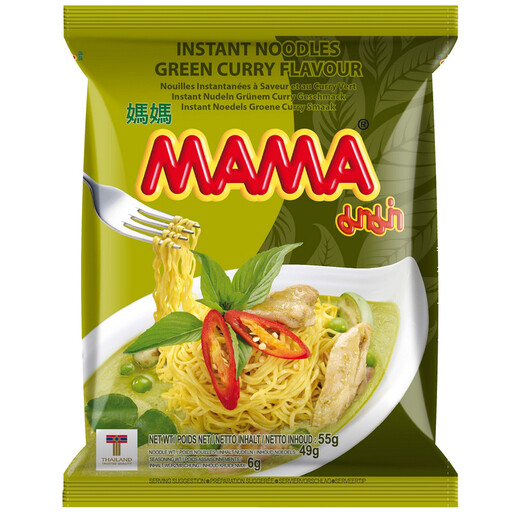
Why this suits the profile: The 55-gram portion is designed for a quick meal at home, in the office or on the go, and takes approximately three minutes to prepare with hot water.
The preparation time and portion size are clearly stated. However, always check the allergens: the product information lists gluten, soya and milk.
55 g per pack; approximately three minutes’ preparation; green curry flavour with a herb and spice mix.
We have put together a complete, up-to-date list of products that fully meet these strict selection criteria and the applicable European safety regulations.
Rice sticks, wide Chinese noodles, spinach noodles and some Japanese noodles are suitable for stir-fries. Pay particular attention to the cooking time, and briefly rinse rice noodles after cooking if necessary to help prevent them sticking. Add the noodles to the wok towards the end so they do not become too soft.
No. Always check the ingredients and allergen information. Rice noodles made only from rice, tapioca and water are often suitable for a gluten-free diet, but some products contain wheat or soya sauce, or may carry cross-contamination warnings. The packaging is the definitive source of information.
Store unopened dried noodles in a cool, dry place away from direct sunlight. Seal an opened pack securely and keep it away from moisture. Instant noodles and dried rice vermicelli have a best-before date; check the label before use and do not use any damaged packaging.
