
Vandaag of morgen in huis

Kwaliteit gegarandeerd

Welkomstaanbiedingen ontgrendelen: GRATIS bezorging | Tot 80% korting | Gratis 30 dagen JoyPlus-proefperiode
Download de app
Asian noodles come in many shapes, thicknesses and cooking methods. A bag of Chinese noodles for the wok requires something different from Japanese noodles for soup or Vietnamese rice noodles for pho. Instant noodles also vary widely in ingredients, preparation time and salt content.
However, the packaging doesn't always tell you what you need at a glance. An appealing flavour name says little about the texture. A large pack can be inconvenient if you only eat noodles occasionally. And terms like "traditional" or "authentic" don't automatically guarantee a particular cooking experience. Under Dutch consumer information regulations, product claims must be verifiable. So always look at the ingredients, weight, allergens and cooking instructions.
Thin vermicelli and Vietnamese rice noodles are suitable for salads, spring rolls and light soups. Wide noodles, on the other hand, hold more sauce and work well with spicy Sichuan dishes. Udon noodles are thicker with a firm bite, while somen and other thin Japanese noodles cook quickly.
If you only focus on the flavour or country of origin, you might end up buying noodles that turn too soft in soup or fail to absorb enough sauce in a stir-fry.
Dried noodles often need to be soaked first and then boiled briefly. Other varieties are pre-cooked and only need reheating. Instant noodles may specify preparation with boiling water, but that doesn't mean you can prepare every type the same way.
Always check whether the packaging mentions soaking, boiling, draining, rinsing or reheating. For some products, rinsing with cold water can improve the texture, but always follow the instructions for the specific product.
Wheat noodles usually contain gluten. This applies to many Chinese noodles, Korean noodles and udon. Shirataki noodles are made from konjac and, according to the product description from City Aroma, are free from the 14 main EU allergens, but always check the packaging yourself.
Flavour sachets can also be high in salt. For example, YuanXian Chengdu Cold Noodles lists 5.5 grams of salt per 100 grams for the noodles including the spice mix. With Indomie Chicken, it's 4.2 grams of salt per 100 grams. Use the nutritional information table to compare products fairly, especially when you add the full sauce or spice mix.
The base determines the structure:
Also check whether oil, starch, thickeners or flavour sachets have been added. A short ingredients list can be handy for everyday cooking, while composite instant products often contain several separate sachets of sauce, oil and toppings.
The diameter or shape is more practically important than marketing language. The Vifon Bong Lua Vang pack is described in the product information as Vietnamese dried rice noodles of 3 mm and 500 grams. That size works for soup, salad and stir-fry dishes. Check the packaging on arrival, as the product title and description don't always list the same size.
Wide noodles, such as Baijia A'KUAN Broad Noodles, offer a different bite to thin noodles. According to the product description, they are designed for quick preparation with boiling water and a spicy sauce. For a family or regular use, packs of 400 grams or more are often more practical than single-serving packs.
Pay attention to the cooking time and how you store the product. Dried noodles are generally best kept in a cool, dry place. For opened instant products, you should usually consume them immediately after preparation.
Examples:
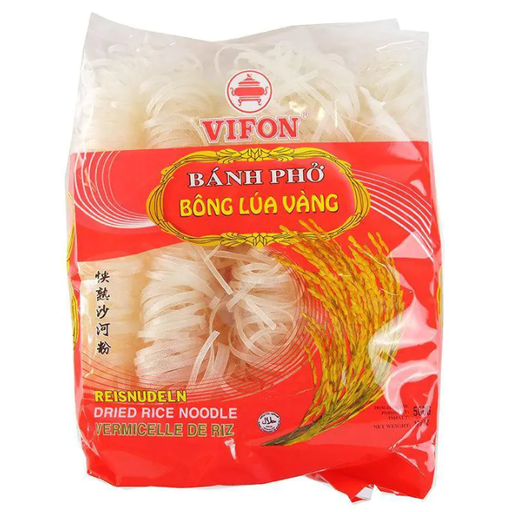
Why this fits the profile: A large pack of Vietnamese rice noodles for anyone starting out with pho, salads and stir-fries.
The product information states a weight of 500 grams, a rice base and a specific preparation method involving soaking and brief boiling.
500 grams; suitable for soup, salad and stir-fries; 3 mm according to the product description.
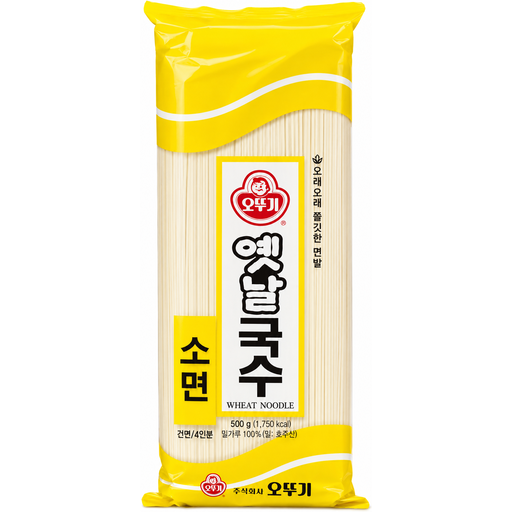
Why this fits the profile: Thin Japanese noodles for light soups, cold preparations and quick weekday meals.
The ingredients list is straightforward: wheat flour and salt. This makes it immediately clear that these are wheat noodles containing gluten.
500 grams; two main ingredients; 76 grams of carbohydrates and 10 grams of protein per 100 grams according to the product information.
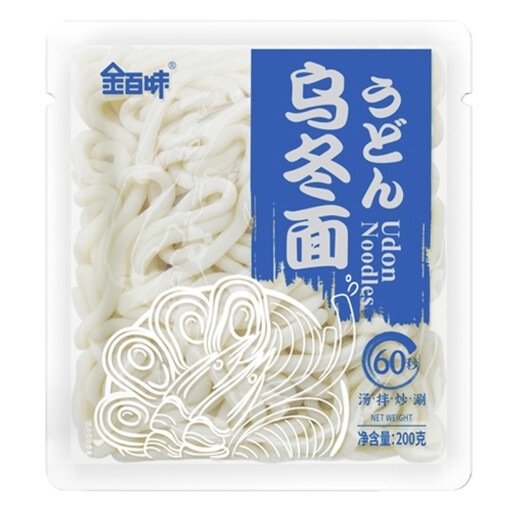
Why this fits the profile: For anyone who wants a firm base for soup, stir-fries or cold noodle dishes in a hurry.
The instructions explicitly state that reheating is required and give a specific microwave time. These noodles are not intended to be eaten raw.
200 grams per pack; one minute to reheat according to the instructions; 121 kcal per 100 grams according to the product information.
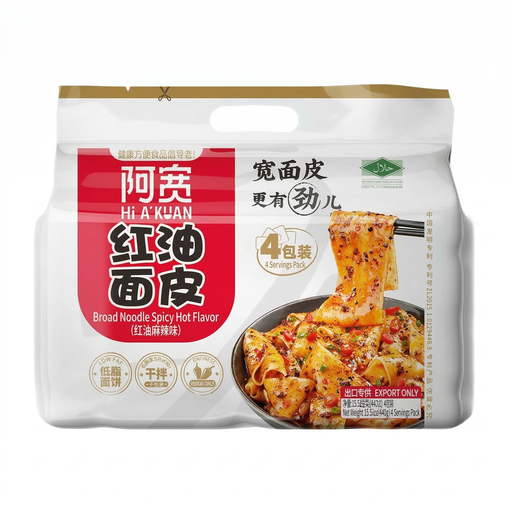
Why this fits the profile: Wide noodles with an included Sichuan-style sauce for those seeking bold, spicy flavours.
The product description states a clear preparation time of five to six minutes and advises draining completely before adding the sauce.
440 grams; wide wheat noodles; sauce and seasoning included; 4.5 grams of salt per 100 grams according to the product information.
We've put together a full, up-to-date list of products that fully meet these strict selection criteria and comply with current European safety regulations.
For stir-fries you can use Chinese noodles, wide noodles, udon noodles or rice noodles. Choose a variety that needs to be soaked or boiled briefly first, and add it to the wok only at the end. This prevents the noodles from becoming too soft.
Shirataki noodles are made from konjac and, according to the product information, are usually packed wet and ready to use after rinsing and heating. They have an elastic texture and a neutral flavour. Regular wheat or rice noodles are often sold dry and require a separate cooking or soaking step.
Store opened dried noodles in a well-sealed container in a cool, dry place, away from sunlight and moisture. Check the best-before information on the packaging before use. For instant products with separate sauce sachets, it's best to prepare them immediately after opening according to the stated instructions.
