
Vandaag of morgen in huis

Kwaliteit gegarandeerd

Welkomstaanbiedingen ontgrendelen: GRATIS bezorging | Tot 80% korting | Gratis 30 dagen JoyPlus-proefperiode
Download de app
Choosing a pack of Asian noodles often seems simple. Yet instant noodles, stir-fry noodles and fresh noodle varieties differ greatly in preparation, flavour, portion size and ingredients. A low price can also turn out to be less appealing if you need several portions or have to buy extra ingredients.
The most common pitfalls:
The right type mainly depends on how you want to eat.
First, check whether you need a pan, hob or microwave. The Yi Wan Wu Dong Stir-fried Udon varieties are heated in the microwave in around 2 to 3 minutes, according to the product description. With A'Kuan Xinjiang Stir-Fried Rice Noodles, you add boiling water and leave the noodles to stand for 3 to 5 minutes. That makes a difference if you want to prepare a quick lunch at the office or in a student room.
With dry wok noodles, you need to pay attention to the cooking time and draining. Conimex Wok Noodles require 2 minutes of boiling and then rinsing with cold water before adding them to the wok, according to the product information.
Wheat flour is common in ramen noodles, yakisoba noodles, udon and regular wok noodles. Soya and sesame often appear in sauce sachets. The Hui Ji You Ni Yi Mian Dandan Noodle Stir-Fry Mix contains, among other ingredients, peanut, soya, sesame and wheat, according to the listed ingredients. This makes the product less suitable if you need to avoid any of these ingredients.
Also check that the product information matches the packaging. Recipes and labels can change. When in doubt, the packaging is the deciding factor.
Compare not only the weight of a multi-pack, but also the weight per portion. Indomie Mi Goreng is available as a single 80g portion, a 5-pack and a box of 40 packets. A bulk pack can be practical for stocking up, but check that you eat the flavour often enough before buying in large quantities.
With spicy noodles, pay particular attention to the amount of sauce and salt. The Samyang Sweet & Spicy Fried Chicken Ramen comes in a pack of 5 × 140 grams. Garak Carbo Hot Chicken Flavor Stir-Fry Ramen contains separate spicy and creamy seasonings, according to the product information. You can therefore use part of the sauce if you wish, but always follow the instructions on the packaging.
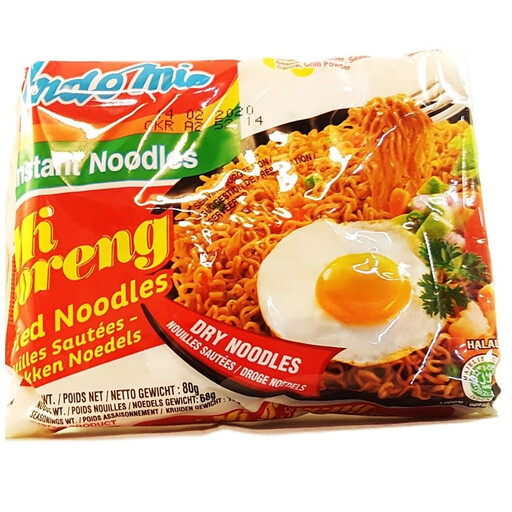
Why this fits the profile: A single portion is a straightforward choice for students, for a quick lunch or for trying dry Mi Goreng noodles for the first time. The seasonings are added separately.
The packaging states an 80g portion and a clear combination of seasoning powder, oil, sweet soya sauce and chilli sauce. So you know what you’re buying in advance.
Single portion; prepared with boiling water; suitable for adding egg, spring onion or vegetables.
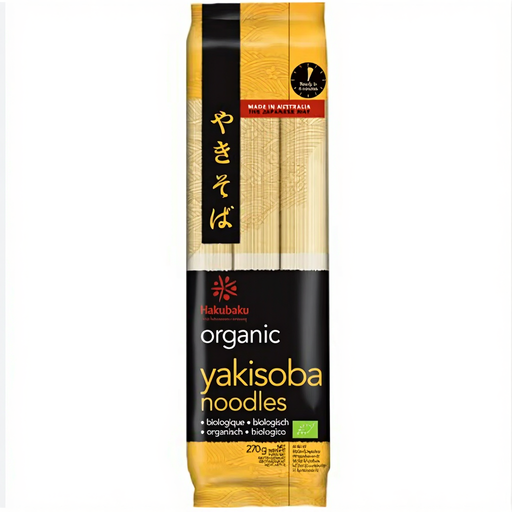
Why this fits the profile: These noodles are designed for homemade Japanese stir-fry dishes. You decide on the sauce, vegetables and protein source yourself.
The product description mentions its use for stir-frying and lists wheat flour, water and salt as ingredients. So there’s no hidden ready-made sauce.
270g pack; suitable for multiple portions; can be combined with vegetables, meat or seafood.
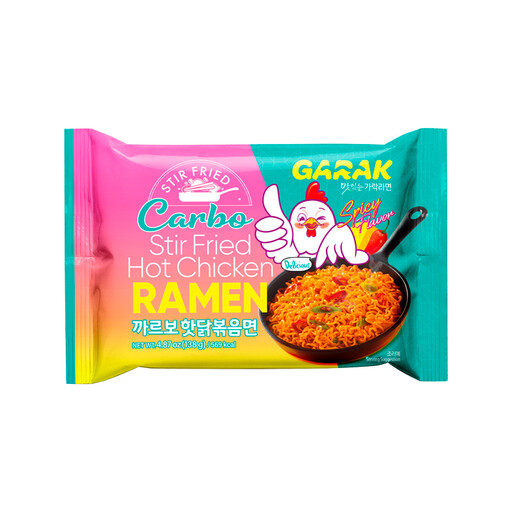
Why this fits the profile: For fans of distinctly spicy noodles who want to combine a creamy flavour component with chilli and habanero.
The product information distinguishes between the spicy hot chicken seasoning and the Carbo seasoning. Do check the full ingredients list for wheat, soya and sesame.
145g per pack; separate flavour components; intended as stir-fry ramen without broth.
We’ve put together a full, up-to-date list of products that fully meet these strict selection criteria and comply with current European safety regulations.
Instant noodles are usually the simplest. You add hot water, wait a few minutes and then mix in the seasonings. Some udon meals are suitable for the microwave. Always check the preparation instructions, as cooking times and required equipment vary by product.
Wok noodles are generally a neutral base for a dish with vegetables and wok sauce. Mi Goreng noodles are drained after cooking or soaking and mixed with seasonings such as sweet soya sauce, oil and chilli. Wok noodles give you more control over the final flavour and amount of sauce.
Store unopened dry noodles in a cool, dry place, away from sunlight and moisture. After opening, seal the packaging tightly. Products that need to be refrigerated according to the instructions, such as opened noodle sheets, should be kept in the fridge and used within the stated time. For each product, refer to the packaging for the current best-before and storage instructions.
