
Vandaag of morgen in huis

Kwaliteit gegarandeerd

Welkomstaanbiedingen ontgrendelen: GRATIS bezorging | Tot 80% korting | Gratis 30 dagen JoyPlus-proefperiode
Download de app
When you buy Asian noodles online, you quickly come across terms such as “authentic”, “handmade” and “premium”. These words do not always tell you enough about the preparation, ingredients or serving size. The difference between rice vermicelli, Chinese noodles, Japanese noodles and Korean noodles determines whether the finished dish stays firm in a wok, is pleasant to eat in soup or works well in a cold salad.
This guide helps you compare noodles using verifiable information: ingredients, allergens, packaging, preparation time and intended use.
A product in a Japanese or Korean style may have been made in another country. For example, some udon noodles and Korean cold noodles are produced in China. This is not automatically a problem, but check the country of origin, ingredients list and preparation method if provenance is important to you.
Terms such as “hand-pulled” or “hand-rolled” can also refer to the shape and texture, rather than a completely manual production process. Always check the specific product description.
Dried noodles generally need to be boiled. Fresh or pre-cooked varieties may only need heating. One example is udon in a single-serving pack, which the product instructions say should be heated in the microwave for around one minute. Other noodles should not be eaten raw.
Always follow the instructions on the packaging. Product information on a web shop may be less comprehensive than the final label.
A 1.82 or 2-kilogram bag can be useful for families, heavy users or catering businesses. For occasional use, however, a smaller pack may be more practical. Once opened, dry goods should be stored well sealed and kept dry. Also make sure you have enough space to store the packaging hygienically.
The most common base is wheat flour, which means that many Chinese noodles, egg noodles, udon noodles and Korean varieties contain gluten. Egg noodles also contain egg. Check for soya, sesame, peanuts and other allergens in seasoning sachets or sauces.
Examples:
If you have an allergy or follow a specific diet, the label on the packaging is the definitive source of information.
For a stir-fry, you want noodles that do not fall apart quickly. For soup, you need noodles that retain their shape and have enough substance to carry the broth.
Pay attention to the preparation instructions:
Preparation times are guidelines. Thickness, the amount of water and personal preference all affect the result.
Compare the net weight, not just the price shown on the product page. A 200-gram pack can be convenient for one meal, while 900 grams, 1 kilogram or more is better suited to regular cooking.
Nutritional values vary considerably by type:
Use nutritional values only to compare products with one another. They do not show how a complete meal will turn out; sauce, oil, meat, tofu and vegetables count too.
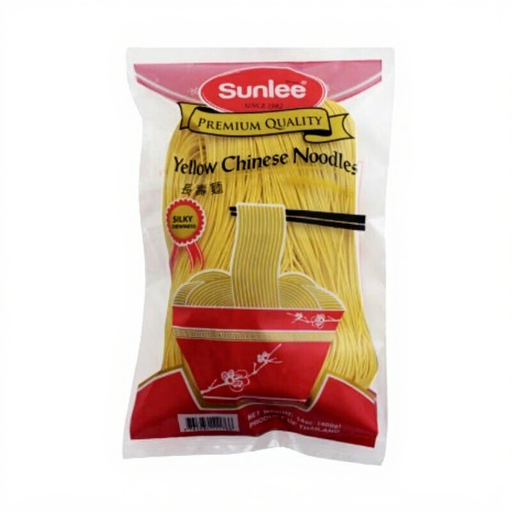
Why it suits this profile: A straightforward pack for anyone who wants to use Chinese noodles in soup or a simple stir-fry.
The preparation method is clearly explained: boil for 2 to 4 minutes, then rinse. The ingredients list states wheat flour, water, salt and turmeric.
400-gram pack; suitable for soup and stir-fries; does contain gluten from wheat.
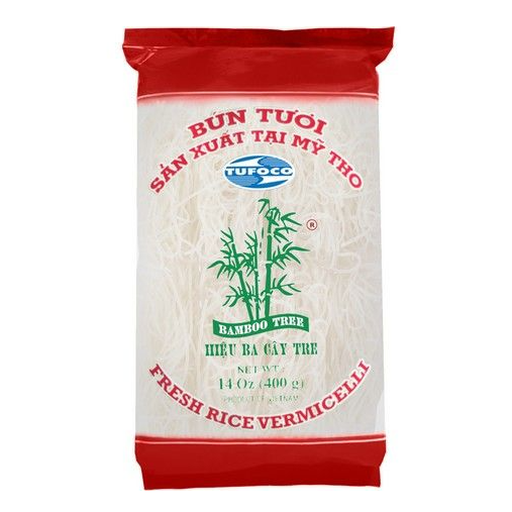
Why it suits this profile: Ideal for home cooks who want to prepare Vietnamese dishes such as bun bowls, noodle soup or a salad.
The product information gives a short soaking method rather than making an unclear claim about cooking. The ingredients are rice, tapioca and water.
400 grams; rice noodles for soup, salads and bun dishes; according to the product information, free from the 14 major EU allergens.
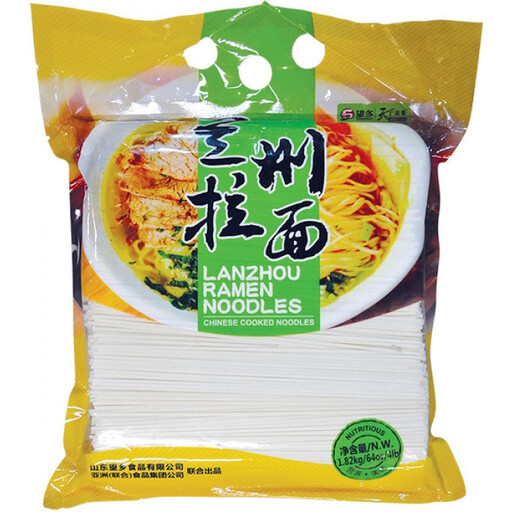
Why it suits this profile: The large pack is aimed at families, hand-pulled noodle enthusiasts and heavy users who regularly prepare soup or stir-fries.
The quantity is clearly stated: 1.82 kilograms. According to the product information, the ingredients list consists of wheat flour, water and salt.
Family-sized pack; firm and springy texture according to the product description; suitable for broth and stir-fries.
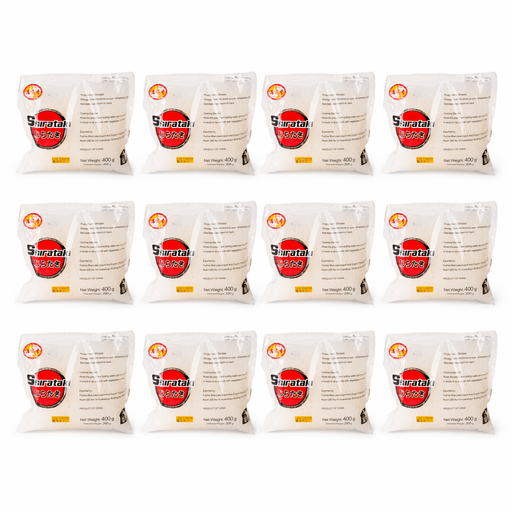
Why it suits this profile: A multipack for anyone looking for Japanese shirataki noodles for salads, soup or stir-fries.
The packaging states that the noodles can be used after rinsing and heating. The ingredients are water, konjac flour and calcium hydroxide.
12 packs of 400 grams; according to the product information, gluten-free and vegan; a neutral flavour that absorbs sauces and broth.
We have compiled a complete, up-to-date list of products that fully meet these strict selection criteria and the applicable European safety regulations.
Chinese noodles, egg noodles, udon and firm hand-pulled noodles are suitable for stir-fries. Check the cooking time and avoid boiling them for too long before they go into the wok. Rice vermicelli also works well, but usually only needs soaking.
The best-before information is shown on the packaging. Store unopened dried noodles in a cool, dry place away from direct sunlight. Seal an opened bag tightly and follow the instructions on the label. Fresh udon and other wet noodles often have different storage instructions.
No. Many buckwheat noodles also contain wheat flour or wheat gluten. Always read the allergen information. Only a clear statement on the label confirms whether a product is suitable for a gluten-free diet.
