
Vandaag of morgen in huis

Kwaliteit gegarandeerd

Welkomstaanbiedingen ontgrendelen: GRATIS bezorging | Tot 80% korting | Gratis 30 dagen JoyPlus-proefperiode
Download de app
Asian noodles come in many forms: from quick instant noodles and spicy noodle snacks to dried noodles for soups, stir-fries and hotpot. That wide choice can make comparing products difficult. Colourful packaging tells you little about the noodle texture, salt content or the amount you actually receive.
As a Joybuy Product Recommendation Officer, I therefore start by looking at verifiable product information. Check the ingredients, allergens, preparation time, pack size and the dish you want to use the noodles for.
“Ready in just a few minutes” might mean that you only need hot water, but it could also mean that you need to drain, rinse and mix several sauce sachets. With some spicy noodles, the latter is important for the final flavour.
So check the full preparation method. A product that needs to soak for 5 minutes is practical for the office, while dried Chinese noodles are generally better suited to cooking in a pan and then stir-frying.
Spicy noodles may contain mainly chilli, but they can also include Sichuan pepper, garlic, vinegar or fermented bean paste. These ingredients create different flavour profiles. For example, “mala” generally refers to a combination of heat and a tingling sensation from Sichuan pepper; the exact intensity varies from recipe to recipe.
If you are unsure, do not add all the oil or seasoning sachets straight away. This allows you to adjust the flavour without making an entire portion unusable.
Noodles in bulk packs are convenient for families, catering businesses and frequent home cooks. However, a 1 to 2 kilo bag does require dry, well-sealed storage. Also check the best-before date and calculate the price per portion, rather than looking only at the price per pack.
For instant noodles in multipacks, it is also worth comparing the net weight per portion. A pack containing five sachets may have a different portion size from a single bowl.
Wheat, gluten, soya, sesame, mustard, peanuts and egg are commonly found in Asian noodles and seasonings. Read the current packaging before buying, especially if you have an allergy or intolerance. Online information may change; the labelling on the product takes precedence.
A simple ingredient profile does not automatically mean that a product is suitable for every diet. According to the product information, for example, Wheatsun Lanzhou Hand-Pulled Noodles contains wheat flour, water and salt, which also means it contains wheat and gluten.
Compare the cooking time, the amount of water required and whether you need to drain or rinse the noodles. Also check the salt, fat and energy per 100 grams. With combined instant noodles, the sauce and seasonings can account for a significant proportion of the nutritional values.
The nutritional information for A Kuan Red Oil Broad Noodle, for example, lists 4.5 grams of salt per 100 grams. This is relevant information if you use all the seasoning ingredients. It is not a reason to buy or avoid the product, but it is a factor to consider when choosing your portion size.
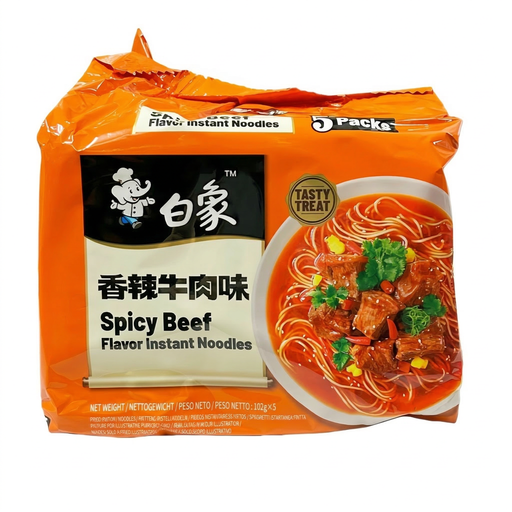
Why it suits this profile: The five individual portions are easy to store and, according to the product information, can be prepared with hot water in approximately 4 to 5 minutes.
The net weight is clearly stated as 510 grams, divided between 5 sachets. This makes it easier to compare the portion size and price.
Five portions, non-fried noodles according to the product description, and a spicy beef flavour. Contains wheat, egg and soya.
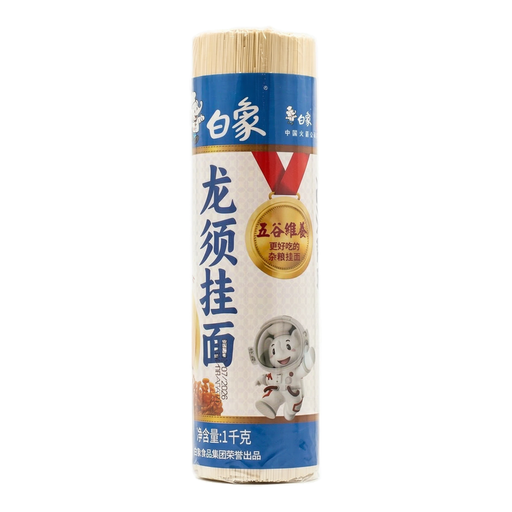
Why it suits this profile: These thin wheat noodles are intended for people who want to create their own soup, sauce and toppings rather than use a standard seasoning mix.
The packaging lists one ingredient: wheat flour. There are no separate seasoning sachets to make comparing ingredients more difficult.
1 kilo of noodles, a cooking time of 5 to 6 minutes, and suitable for soup, sauce or toppings. Contains gluten from wheat.
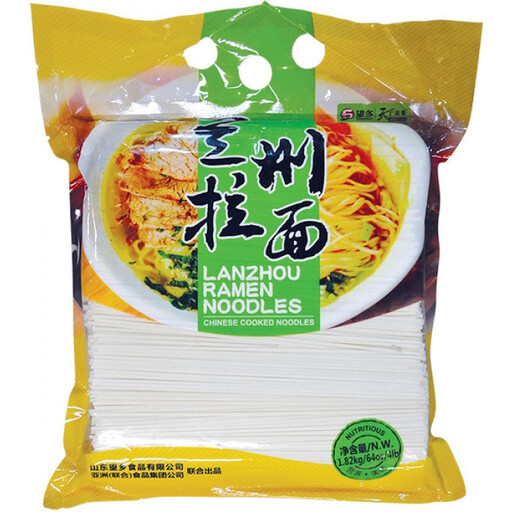
Why it suits this profile: The family-size pack is practical for households with high consumption, Asian supermarkets or food service businesses where individual portions are preferred.
The weight of 1.82 kilos is clearly stated. You can therefore see in advance that this is not a small storage pack and plan the required storage space.
Wheat flour, water and salt are the listed ingredients; suitable for broth and toppings. Store in a dry, well-sealed place after opening.
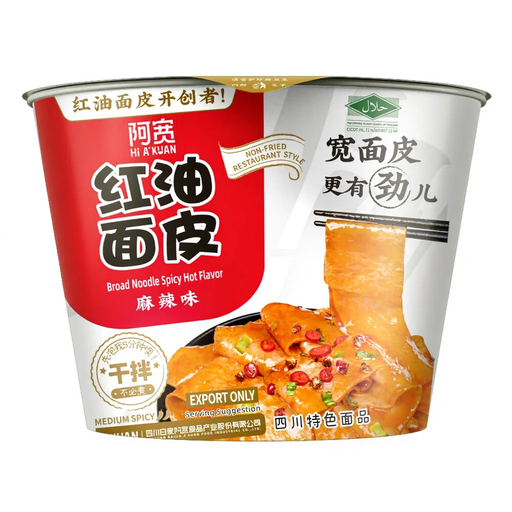
Why it suits this profile: If you are looking for broad, elastic noodles and a distinctive chilli oil sauce, you can prepare this bowl without a hob by soaking it for 5 to 6 minutes.
The product information states that the noodles are not fried and that the sauce is added separately. This means you can adjust the amount of sauce yourself.
Broad thin noodles, chilli oil, vinegar and dried spring onion in separate sachets. Contains wheat, soya, sesame and mustard.
For Thai flavours, MAMA Instant Flat Noodles Yentafo is available as 50 grams × 30 portions. This is a logical choice for bulk users looking for rice noodles and a sweet-and-sour, savoury soup base. If you want to try Korean noodles, consider Korean cold noodles or Paldo Volcano Chicken Noodle. With both options, it is important to follow the preparation method and spice level stated on the packaging.
For a thicker noodle, Jinbai wei Spicy Kung Pao Udon Noodles are a convenient choice: according to the product information, the bowl can be prepared in the microwave at 700–800 watts in 2 to 3 minutes. Pay particular attention to allergens such as wheat, soya, peanuts and sesame when choosing this product.
Noodle snacks are a separate category. According to the product description, Mamee Monster BBQ or Chicken Flavor is eaten dry, without cooking. The small 25-gram packs are suitable for lunchboxes, shops and snack ranges, but they should not automatically be considered a replacement for a meal.
We have put together a complete, up-to-date list of products that fully meet these strict selection criteria and the applicable European safety regulations.
Instant noodles in a bowl or sachet are usually the simplest option. Check whether hot water is enough or whether cooking, draining and rinsing are required. A microwave bowl can be convenient in the office, while a sachet is better suited to preparing several portions at once.
Store unopened dried noodles in a cool, dry place away from direct sunlight. Seal an opened bulk pack airtight to limit moisture and contamination. Always check the best-before information on the packaging.
No. Thin rice noodles can become soft if they are cooked for too long, while broad or thick wheat noodles can often withstand stir-frying better. Follow the cooking time and rinsing instructions on the label, and add the noodles to the wok at the right moment.
