
Vandaag of morgen in huis

Kwaliteit gegarandeerd

Welkomstaanbiedingen ontgrendelen: GRATIS bezorging | Tot 80% korting | Gratis 30 dagen JoyPlus-proefperiode
Download de app
The Asian noodle aisle can be overwhelming. Wide, thin, hand-pulled, knife-cut—the choices seem endless. If you pick the wrong one, you'll end up with a mushy stir-fry or a watery soup. Many home cooks fall into the same traps: they trust attractive packaging or choose a noodle that isn't suited for their recipe.
Before you put a pack of dried noodles in your basket, it's important to know what to look for. Here, we'll cover a few common missteps and the key characteristics that determine whether a noodle will succeed or fail in your kitchen.
To avoid a bad purchase, you can look for a few objective specifications. These determine the texture, flavour, and how the noodle performs in a dish.
The shape isn't just for looks; it determines how the noodle picks up sauce and the texture you'll get.
An authentic Chinese noodle or Korean noodle often has a surprisingly short ingredient list.
Not everyone needs the same noodle. Here are a few choices, tailored to different cooking styles and needs.
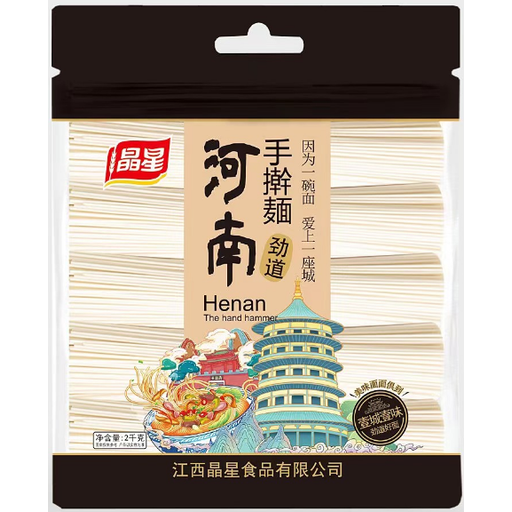
Why This Fits Their Persona: Ideal for families or anyone who likes to keep a well-stocked pantry. This large package offers a versatile noodle suitable for everyday meals, from a quick soup to a simple stir-fry.
The ingredient list is crystal clear: 99% wheat flour and salt. No unnecessary additives. Here, the "handmade-style" term delivers a reliable, firm texture that doesn't disappoint.
Large 2kg package offers great value. Firm and smooth texture that holds up well in various dishes.
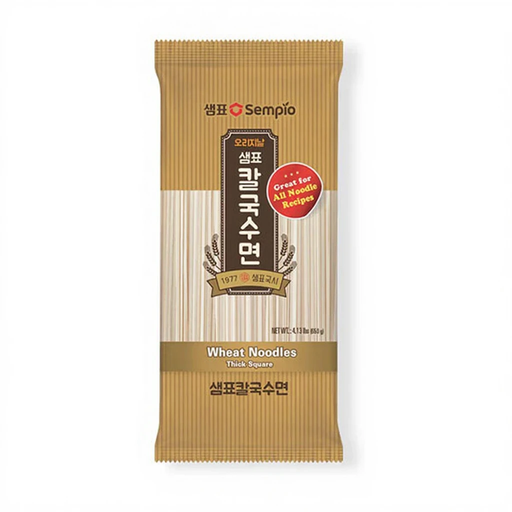
Why This Fits Their Persona: For those seeking the specific, firm bite of traditional knife-cut noodles (刀削麵). Perfect for Korean dishes like Jajangmyeon or a hearty Chinese noodle soup where the noodle is the star.
This isn't a 'style' but an authentic Korean version of knife-cut noodles from the renowned brand Sempio. The thick, square shape guarantees the expected robust texture.
The firm, thick shape holds sauces exceptionally well and won't turn mushy, even in a hot soup. Made with 98% wheat flour for a pure flavour.
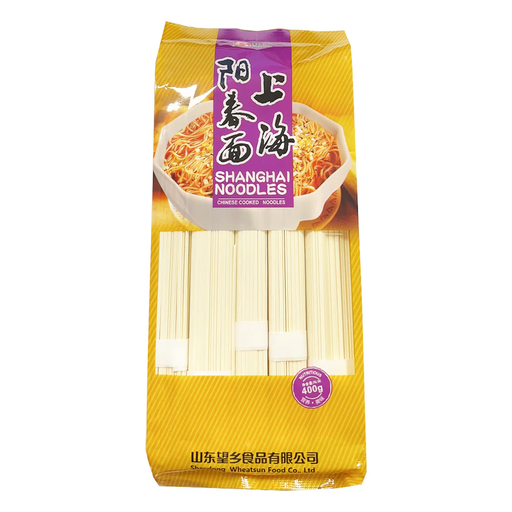
Why This Fits Their Persona: Perfect for a quick, comforting meal after a long day. These classic Shanghai noodles are ready in 3-5 minutes and form the basis for a simple yet flavourful meal.
By using these thin noodles for their intended purpose—light soups and sauces—you'll avoid a mushy outcome. This is a textbook example of choosing the right noodle for the right dish.
Very quick cooking time (3-5 minutes). The soft, smooth texture is ideal for dishes where the broth or sauce is the main feature.
We've compiled a complete, up-to-date list of products that meet these selection criteria. Find the perfect noodle for your next culinary adventure.
Use a large pot with plenty of boiling water. As soon as you add the noodles, immediately give them a good stir a few times to prevent them from sticking to the bottom or to each other. Cook according to the package directions. For dishes served cold or for stir-frying, you can briefly rinse the noodles under cold water after draining. This stops the cooking process and removes excess starch.
Although both are often seen as a type of Asian pasta, there are clear differences. Italian pasta is typically made from durum wheat, which provides the well-known 'al dente' bite. Many Chinese noodles are made from a softer wheat variety and often don't contain egg. This results in a different texture: springier, smoother, and sometimes a bit 'chewy'.
No, not all types are suitable. For stir-fry noodles, you need a sturdy variety that can handle the heat and tossing without falling apart. Opt for wide noodles, knife-cut noodles, or other thicker wheat noodles. Thin, delicate noodles like vermicelli or Shanghai noodles are best reserved for soups.
