
当日/次日达

品质保障

开启新人专享福利: 全场免邮 | 低至 2 折 | 免费试用 30 天 JoyPlus 会员
下载 Joybuy
Buying Asian noodles may seem simple until you have to choose between Chinese noodles, Korean noodles, ramen, soba noodles, and wide or thin varieties. Eye-catching packaging tells you little about the texture, preparation time or suitability for your dish. A large bag is not automatically better value if you only use the noodles a few times.
When choosing, pay particular attention to these three common pitfalls:
The base determines the flavour and bite. Dried wheat-flour noodles usually have a neutral flavour and are versatile enough for soup, stir-fries and cold noodle dishes. Buckwheat noodles are darker in colour and have a more pronounced, nutty flavour. Always check the actual buckwheat content.
According to the product information, Jin Sha He Buckwheat Noodles contain at least 30% buckwheat flour, along with wheat flour, water, salt and sodium carbonate. Baixiang lists 10% buckwheat flour, while the 300 gram variant from BaiXiang contains 15%. All these products are classed as buckwheat noodles, but their flavour profile and texture may differ.
Also look out for additional ingredients. Tapioca starch can make noodles softer and more elastic. Alkaline ingredients such as sodium carbonate are used in some Chinese noodles and can contribute to a springy bite.
The shape has a direct impact on preparation:
Cooking times vary considerably. Based on the product information, some varieties need only 3 to 4 minutes, while wide noodles need to be cooked for 6 to 8 minutes. Use the pack instructions as a starting point and taste the noodles just before draining.
For occasional use, packs of 240 to 500 grams are easy to manage. If you often make noodle soup or stir-fried noodles, consider a 1 kg or 2 kg pack. Store an opened bag in an airtight container or seal it tightly, in a cool, dry place, to limit moisture and loss of quality.
Also check the nutritional information per 100 grams of dry noodles. Instant noodles often come with a separate flavour sachet that is relatively high in salt. For example, Nongshim Neoguri Ramyun lists 4.1 grams of salt per 100 grams. Samyang Buldak Hot Chicken Carbonara lists 2.6 grams of salt per 100 grams. This does not tell you anything about your overall meal, but it does help you compare products objectively.
Always read the current packaging when buying food products. Information on a webshop may differ from what is printed on the pack. Pay particular attention to wheat, soya, sesame, milk, peanuts, fish, shellfish and mustard if you need to take allergens into account.
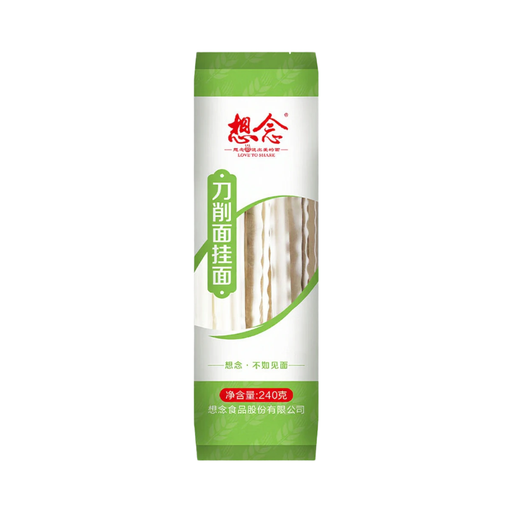
Why it suits this profile: The 240-gram pack is handy for trying out a Chinese noodle soup or stir-fry without immediately buying a large multipack.
The product information clearly states that it contains wheat flour and salt, with a cooking time of around 6 to 8 minutes. You know what you are buying and how to plan for it.
Wide knife-cut noodles with a wheat base, suitable for soup, mixed noodle dishes and fried noodles.
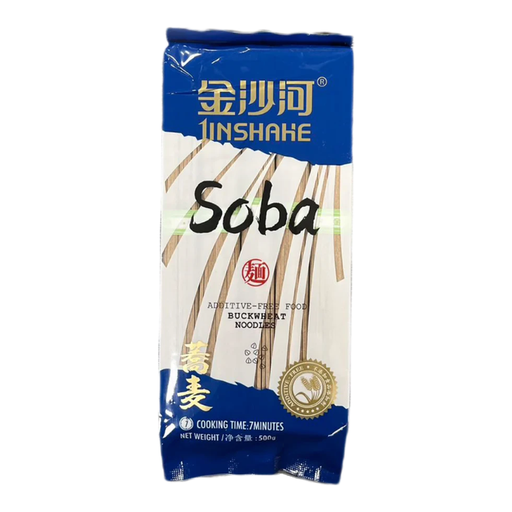
Why it suits this profile: If you pay close attention to the ingredients, this product offers a clearly stated minimum of 30% buckwheat flour in a medium-sized pack.
The buckwheat percentage is stated in the product details. This prevents you from buying an ordinary wheat noodle when you are actually looking for a distinctive buckwheat flavour.
Contains at least 30% buckwheat flour and, according to the description, is suitable for hot and cold dishes.
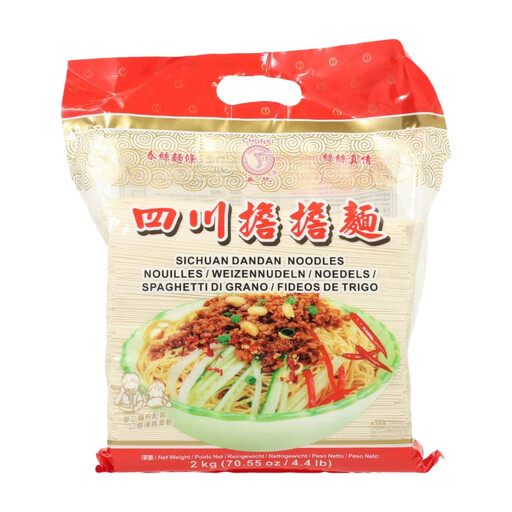
Why it suits this profile: The large pack is ideal for families, meal prep, keen cooks and small catering kitchens that regularly prepare noodles with sauce.
The noodles are specifically described for Dan Dan dishes and are cooked before serving. This makes their intended use clearer than that of a general bag of noodles.
2 kg contents, a wheat base and a product description that pairs the noodles with robust sauces, peanuts and spring onions.
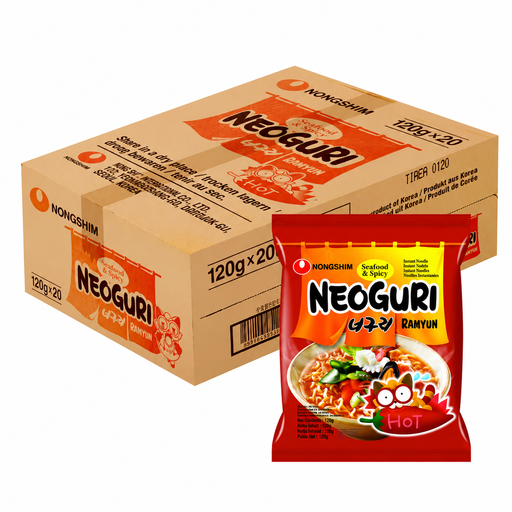
Why it suits this profile: The multipack contains 20 portions, making it practical for anyone who often makes ramen and wants a quick meal with a soup base and vegetable pack.
The preparation method is clear: cook for 4 to 5 minutes. The detailed allergen information is also provided, including wheat, soya and sesame.
20 individual portions, including a soup base and vegetable pack; made in South Korea according to the product information.
We have put together a complete, up-to-date list of products that fully meet these strict selection criteria and the applicable European safety regulations.
That depends on the texture you want. Thin wheat noodles are practical for a quick broth. Wide Chinese noodles and knife-cut noodles offer a firmer bite. For Korean ramen, choose a product with a supplied soup base if you want to use as few additional ingredients as possible.
Soba is a Japanese noodle style that often contains buckwheat, but the buckwheat percentage varies from product to product. So do not just look at the name; check the ingredients list as well. A higher proportion of buckwheat can create a darker colour and a more pronounced nutty flavour. Also check whether wheat has been added.
A larger pack may work out cheaper per gram, but this depends on the price and how much you use. For a household that eats noodles every week, 1 kg or 2 kg can be practical. If you only eat noodles occasionally, a 240, 300 or 500 gram pack prevents the supply from staying open for too long.
