
Vandaag of morgen in huis

Kwaliteit gegarandeerd

Welkomstaanbiedingen ontgrendelen: GRATIS bezorging | Tot 80% korting | Gratis 30 dagen JoyPlus-proefperiode
Download de app
As a Joybuy Product Recommendation Officer, I've seen the popularity of Asian cuisine skyrocket. More and more home cooks are venturing into making their own ramen, pad thai, or Korean hot pot. The foundation of many of these dishes? Asian noodles. But the online selection can be overwhelming. Packaging with vague claims and unfamiliar names doesn't make the choice any easier.
Before you fill your shopping cart, it's wise to understand a few common pitfalls. This will help you avoid ending up with the wrong noodles, ensuring your dish achieves the texture and flavour you envisioned.
You don't need to be a noodle expert to make a great choice. Pay attention to the following three points, and you'll almost always get it right.
The grain determines the flavour, texture, and nutritional value. The most common types are:
The noodle's shape isn't just for aesthetics. It determines how sauce clings to it and the noodle's mouthfeel.
Below are some product choices, matched to specific needs and cooking styles.
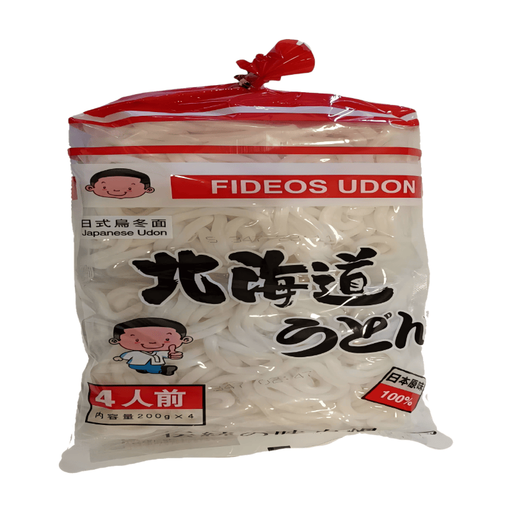
Why This Fits Their Persona: Ideal for those who want to make traditional Japanese dishes like kake udon or a hearty hot pot (nabe). The thick, springy texture is exactly what you look for in a quality udon noodle.
The product description focuses on texture ("thick, springy, smooth, and firm") and ingredients, not on vague marketing terms. You know you're getting a noodle that will retain its shape during cooking.
Made with wheat flour and wheat gluten for a firm structure that doesn't stick. The four-portion pack is practical for multiple meals.
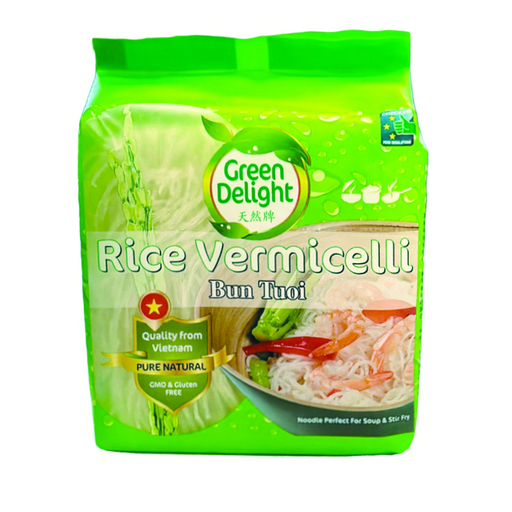
Why This Fits Their Persona: An excellent choice for those who eat gluten-free or are looking for a light meal. This rice vermicelli is made from only rice and water, is fat-free, and is perfect for salads, soups, and fresh spring rolls.
This product avoids the pitfall of hidden allergens. The specifications explicitly state: "This product does not contain any of the 14 major EU allergens." It couldn't be clearer.
Naturally gluten-free and fat-free. The ingredient list is minimalist (rice, water), ensuring a pure and reliable product.
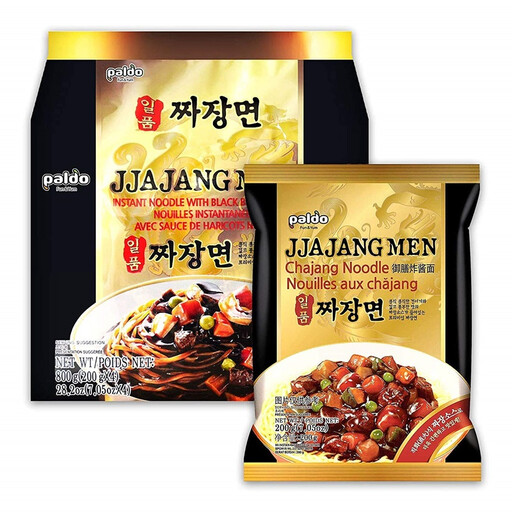
Why This Fits Their Persona: For those who want a flavourful, complete meal on the table fast. This instant Jjajangmyeon is a classic from Korean cuisine, known for its savoury black bean sauce. Perfect for a busy weeknight.
This product is exactly what it promises to be: an instant meal. No confusion about authenticity or complexity. You get a quick, easy, and flavourful solution, sauce included.
All-in-one package with noodles and sauce. Ready in minutes. The savoury flavour of the black bean sauce is a popular and satisfying choice.
We have compiled a complete, up-to-date list of products that fully meet these strict selection criteria and local regulations.
The key is plenty of water and movement. Use a large pot with ample boiling water so the noodles have room to move. Stir the noodles immediately after adding them to the water and continue to stir occasionally while cooking. If you're not serving them immediately or are using them in a cold dish, briefly rinse the noodles with cold water after draining. This stops the cooking process and rinses away excess starch.
While there is a lot of overlap, there are some general differences. Japanese noodles like udon and soba often have a very specific texture and are made using traditional methods. Korean noodles are known for their unique ingredients, such as the glass noodles made from sweet potato starch (dangmyeon), which have a characteristic chewy and springy texture. Chinese noodles have the greatest variety in shape, from thin vermicelli to wide, flat noodles, and are made from wheat, rice, or eggs.
No, this is a common misconception. Many soba noodles you find in stores contain a mix of buckwheat and wheat flour. Wheat flour is added to make the noodles firmer and less brittle. If you need to eat strictly gluten-free, look for noodles labelled "100% buckwheat" or "gluten-free" and always check the ingredient list for the presence of wheat (wheat).
