
Vandaag of morgen in huis

Kwaliteit gegarandeerd

Welkomstaanbiedingen ontgrendelen: GRATIS bezorging | Tot 80% korting | Gratis 30 dagen JoyPlus-proefperiode
Download de app
Buying Asian noodles sounds simple until you are faced with a shelf or online range featuring ramen, udon, soba, rice noodles and glass noodles. The differences are not limited to flavour. The ingredients, cooking time, texture, packaging and allergens all determine whether a product is suitable for your dish.
For students, busy households and fans of Korean, Chinese, Japanese or Vietnamese cuisine, a quick meal is often the main reason for placing an order. However, there are a few common pitfalls that can easily lead to buying the wrong product.
A pack labelled “soba” does not automatically mean that the product is mainly made from buckwheat. Check the quantitative ingredients declaration. For example, NH Buckwheat Noodles contain 20% buckwheat flour, while the product information for Jin Shahe Soba Noodles lists only wheat flour, water and salt. In this case, the name “soba” does not indicate the same thing as a high buckwheat content.
If you are looking for a nutty flavour or a specific texture, it is worth checking the percentage of buckwheat. Some buckwheat noodles also contain wheat and are therefore not gluten-free.
Vegetarian noodles can still contain wheat, gluten, soya, egg or milk. For example, NongShim Soon Veggie Ramyun lists wheat and soya as allergens. According to NongShim’s own product description, Instant Vegetable Noodles are vegan-certified, but always check the current packaging and certification before ordering.
“Plant-based” also tells you nothing about the salt content or nutritional value. With instant noodles, much of the salt is often in the soup sachet. So check the nutritional information per 100 grams, rather than looking only at the front of the pack.
A 60- or 100-gram portion is convenient for a single meal, but a 800-gram or 1-kilo bag is more practical if you regularly make noodles for stir-fries. Conversely, a large pack can be inconvenient if you only use noodles occasionally.
Also pay attention to the preparation method. Some products need to be boiled, while others only need soaking or heating in the microwave. Always follow the instructions on the packaging, and do not eat noodles raw when the product information states that they must be cooked.
The ingredients determine the texture and suitability of the noodles:
If you have an allergy, read the full ingredients list and allergen declaration. Online product information can change, and the packaging may contain more information than the product page.
Thin vermicelli is suitable for light soups, salads and Vietnamese dishes. Rice noodles measuring 5 mm hold more sauce and work well in stir-fries. Wide, flat noodles also absorb a relatively large amount of sauce or stock.
For ramen, instant noodles with a soup base are a practical choice. If you prefer to control the flavour yourself, choose dried noodles without a seasoning mix. Udon’s thicker shape makes it particularly suitable for hearty broths and stir-fries.
Check the net weight, number of portions and preparation time. NongShim Soon Veggie Ramyun, weighing 112 grams, is designed for a quick meal with noodles, soup seasoning and dried vegetables. A multi-portion pack is more practical for keeping in stock, while individual packs are useful for trying different flavours.
Preparation times vary for dried noodles. BaiXiang Buckwheat Noodles and Jin Shahe Soba Noodles specify a cooking time of approximately 3 to 5 minutes. According to the product information, Hui Ji Youniyimian Spinach Thin Sliced Noodles take approximately 6 to 8 minutes.
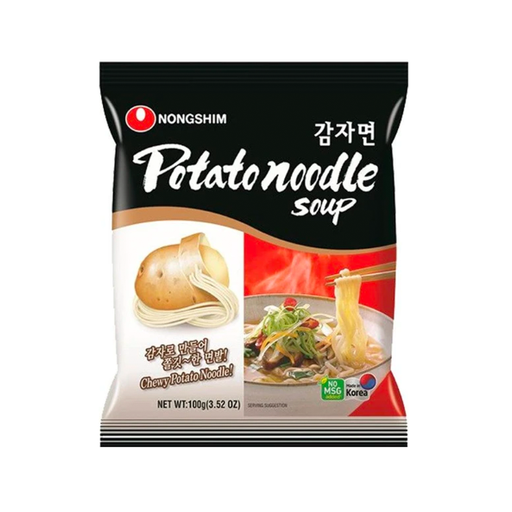
Why it suits this profile: A 100-gram portion containing noodles, soup base and cabbage flakes is a practical choice for a quick meal with minimal preparation.
The product information clearly lists potato starch, wheat flour and a 100-gram portion size. This allows you to check the ingredients and allergens in advance.
Firmer noodles made with 49% potato starch; contains dried cabbage and Chinese cabbage.
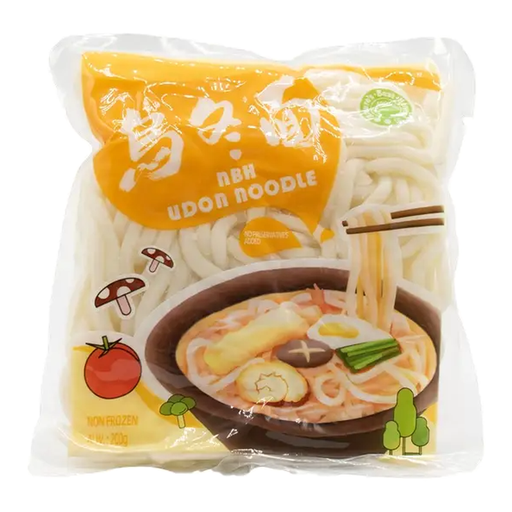
Why it suits this profile: The smooth, thicker udon texture is ideal for Japanese noodle soup, stir-fries and cold dishes.
The product description lists wheat flour, water and salt. This makes it clear that these are not rice noodles or gluten-free noodles.
200 grams per pack; suitable for soups, stir-fries and cold noodle dishes.
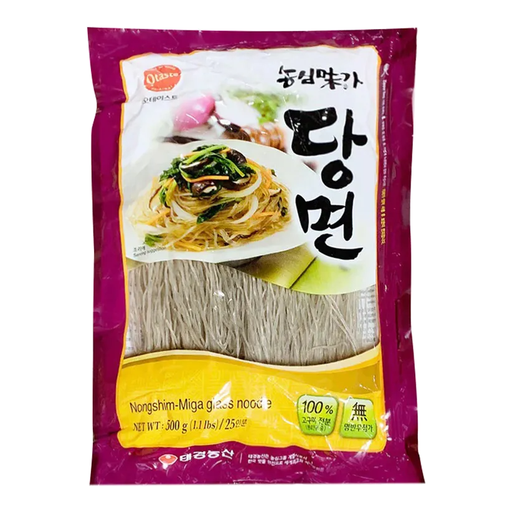
Why it suits this profile: The large pack is ideal if you regularly make stir-fries, hotpot dishes, soups or salads.
The base is explicitly listed as sweet potato starch. The product information also states that the product contains none of the 14 major EU allergens; check this on the current packaging when purchasing.
500 grams; firm, transparent texture; suitable for stir-fries, hotpot, soups and salads.
We have put together a complete, up-to-date list of products that fully meet these strict selection criteria and the applicable European safety regulations.
You can use udon noodles, rice noodles, glass noodles and thin Chinese noodles for stir-fries. Choose a shape that holds sauce well, and check whether the noodles need to be boiled or soaked first. Add pre-cooked or soaked noodles towards the end so that they do not become too soft.
No. Check the percentage of buckwheat flour in the ingredients list. The range includes varieties containing 15% or 20% buckwheat, but some products with “soba” in the name list only wheat flour. Soba is therefore not automatically gluten-free or made entirely from buckwheat.
Store dried noodles in a cool, dry place away from direct sunlight. Seal an opened pack securely to help prevent moisture and contamination. Check the packaging for the exact best-before date. Fresh or microwaveable noodles may have different storage instructions, so always follow the label.
