
Vandaag of morgen in huis

Kwaliteit gegarandeerd

Welkomstaanbiedingen ontgrendelen: GRATIS bezorging | Tot 80% korting | Gratis 30 dagen JoyPlus-proefperiode
Download de app
Fancy a quick noodle meal with chilli oil, Sichuan pepper or a sour broth? Chinese instant noodles come in many varieties, from vermicelli and broad rice noodles to soft wheat noodles with red oil. With so much choice, it’s easy to pick a pack that doesn’t suit your taste, portion size or cupboard.
A product with plenty of chilli isn’t automatically rich in Sichuan aromas, sourness or mala sensations. Check whether the seasoning contains ingredients such as vinegar, Sichuan pepper, garlic, spices or fermented bean paste as well as chilli. Hot and sour noodles, for example, should include a separate vinegar sachet or a clearly sour flavour component.
A bowl weighing around 100 to 115 grams is usually intended as a quick meal or substantial snack. A multipack of four or five sachets is more convenient for the cupboard, but always check the weight per portion. A 270-gram pack, for example, may contain several sachets, while a 271-gram bowl could be one larger portion.
Many Chinese noodles contain wheat, soya and sesame. Some varieties may also list peanuts, mustard, celery or fish. Check the allergen information on the product page and the packaging you receive, especially if you’re cooking for several people.
Also check the salt content per 100 grams. Nutritional values can vary by brand and preparation method. If the pack includes a separate chilli oil or seasoning sachet, you could use only some of it to keep the flavour less intense.
The type of noodle has a big impact on the eating experience:
The terms ‘broad’ and ‘chewy’ don’t tell you exactly how soft the noodles will be. Check the cooking instructions and the main ingredients too, such as wheat flour, potato starch or sweet potato starch.
A product that only needs boiling water is handy for students, office workers and anyone short on time. A Kuan Red Oil Noodles, for example, calls for around 350 ml of boiling water and a short soaking time. Other varieties, such as Chongqing noodles, need to be boiled for a few minutes.
Check in advance:
For dry noodles, it’s important to drain them thoroughly. Otherwise, the chilli oil will be diluted and the flavour may seem flatter.
‘Spicy instant noodles’ can vary considerably. Look out for these terms:
A product with separate sachets for oil, vinegar, seasoning and vegetables gives you more control over the final flavour. According to the product descriptions for various brands, this lets you adjust the intensity. It’s a preparation option, not a guarantee of a particular taste experience.
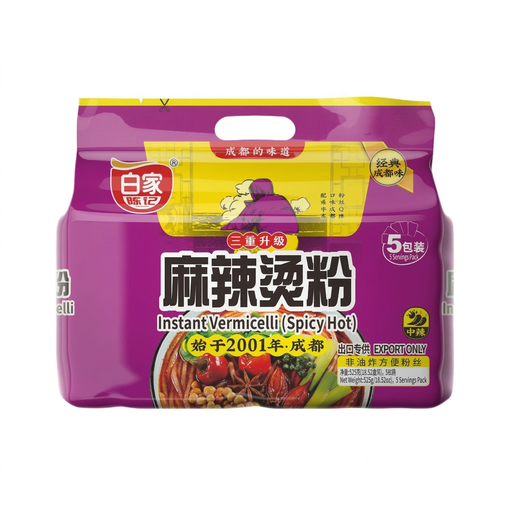
Why it suits this profile: Five individually wrapped portions make this a practical choice for students, shared kitchens and stocking up on quick meals.
The portions are individually wrapped, and the product instructions say to prepare them with boiling water or by briefly boiling them. Check the allergens: the ingredients list includes wheat and soya.
Five 105-gram sachets, smooth-textured vermicelli and a malatang-style seasoning base, according to the product description.
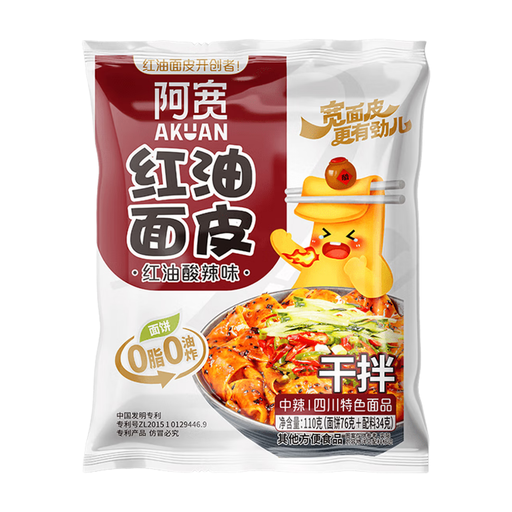
Why it suits this profile: This single portion is ideal for fans of broad, firm wheat noodles with a combination of chilli oil and sourness.
The product information lists separate seasoning, oil and vinegar components. This means you can build the flavour yourself after draining, rather than relying on a single sachet of powder.
A 110-gram portion, broad wheat noodles with potato starch, and preparation using around 350 ml of boiling water followed by a two-minute wait.
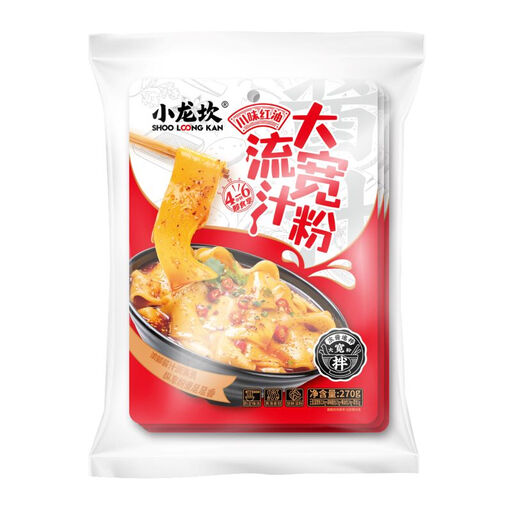
Why it suits this profile: The three packs are ideal if you eat red oil noodles regularly and want to adjust the amount of chilli oil each time you prepare them.
The pack contains separate sachets for chilli oil, seasoning and vegetables. This makes it easier to control the amount than with a fully pre-mixed sauce.
Three 270-gram packs, smooth broad noodles made with potato starch and separate flavour components.
We’ve put together a complete, up-to-date list of products that meet these strict selection criteria and the relevant European safety requirements.
Follow the instructions on the pack. For many varieties, you add boiling water, leave the noodles covered for a few minutes, then drain them. Stir through the oil, vinegar and seasoning sachets. Some Sichuan noodles need to be boiled for three to six minutes first.
Store unopened packs in a cool, dry place away from direct sunlight, as directed in the product information. Always check the best-before date on the pack. Once opened or mixed with sauce, it’s best to eat the portion straight away and not keep any leftovers.
No. The level of heat varies by flavour and brand. Hot and sour varieties combine sourness with spice, while mala noodles also contain Sichuan pepper. Choose a product with a separate chilli oil sachet if you want to control the amount of oil and seasoning yourself.
