Ordering Asian noodles online seems simple—until you're faced with a digital wall of hundreds of options. From Japanese udon to Vietnamese rice vermicelli and low-carb konjac noodles, the selection is vast, and every package promises an authentic or healthy experience. Yet, this often leads to disappointment in the kitchen.
As a Product Recommendation Officer at Joybuy, I see where things frequently go wrong. Before you fill your shopping cart, it's wise to consider a few common pitfalls:
- The "Healthy" Noodle That Disappoints: Many low-carb noodles, like shirataki, are promoted as the perfect substitute. What the packaging doesn't always tell you is that their texture and taste are very different from what you're used to. Without proper preparation (thorough rinsing and pairing with a powerful sauce), the experience can be downright disappointing.
- The Wrong Noodle for the Dish: You have a fantastic recipe for Vietnamese pho but use thick Chinese egg noodles. The result? A dish that completely misses the mark. The noodle's texture and ability to absorb broth are crucial for the final outcome.
- Hidden Ingredients and Allergens: You think you're buying pure rice noodles, but when you get home, you discover they contain wheat or cornstarch. For people with gluten intolerance or specific dietary needs, this is an unpleasant surprise.
By paying attention to a few key details, you can effortlessly navigate the selection and choose the noodle that truly fits your meal and lifestyle.
What to Look for When Choosing Noodles
To avoid a bad buy, you don't need to study every package from A to Z. Focus on three practical characteristics that make a real difference.
1. The Base Ingredient: From Wheat to Konjac
The base ingredient determines the taste, texture, and nutritional value.
- Wheat Noodles: The most common type, used for ramen, Chinese egg noodles, and udon (often a blend). They are firm, springy, and ideal for stir-fries and soups.
- Rice Noodles: Made from rice flour and water. These are naturally gluten-free noodles. They range from paper-thin rice vermicelli (for pho and fresh spring rolls) to wide, flat noodles (for pad thai).
- Konjac Noodles: Also known as shirataki noodles. Made from the konjac plant, these are popular low-carb noodles and keto noodles. They contain almost no calories or carbohydrates but have a unique, somewhat gelatinous texture.
- Glass Noodles and Other Starches: Often made from mung bean, sweet potato, or cassava starch. They turn transparent after cooking and have a smooth, resilient bite.
2. Texture and Thickness: The Right Match for Your Dish
The shape of the noodle is no accident; it's designed for a specific purpose.
- Fine (Vermicelli): Perfect for light soups and salads. The thin strands quickly absorb broth without becoming heavy.
- Medium (Ramen-style): The all-rounder. Sturdy enough for a hearty broth and for stir-frying.
- Thick (Udon): Thick, soft, and chewy noodles. Ideal for dishes with a thick sauce or a powerful broth where the noodle itself plays a starring role.
- Flat (Fettuccine-style): This shape helps sauces cling well to the noodle. Think pad thai or creamy pasta dishes.
3. Preparation Method: Convenience or Tradition
How much time do you want to spend on preparation?
- Instant Noodles: The quickest option. Often ready in 3–5 minutes simply by adding boiling water. Ideal for a quick lunch or dinner.
- Dried Noodles: Require cooking time, ranging from 3 to 10 minutes. These are the most traditional noodles and often offer the best texture.
- Fresh or Pre-cooked Noodles: Like most shirataki noodles, which are packaged in water. These only need to be rinsed and heated in your dish. Note: It is important to rinse shirataki well under cold water to remove the preservative odour.
Recommended Products at a Glance
Below are a few choices that align well with different needs and lifestyles, based on their product specifications.
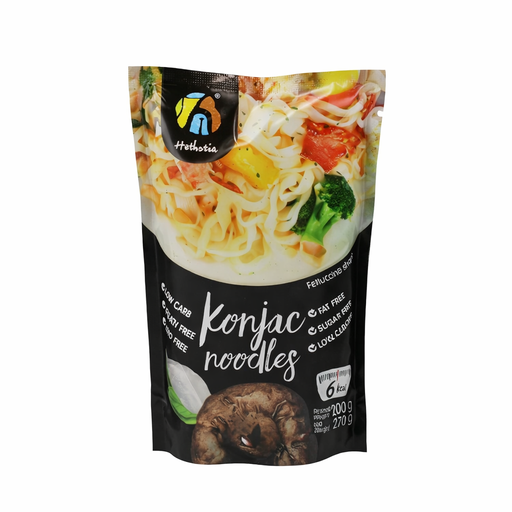
MATCH FOR: The Health-Conscious Eater
Why This Fits Their Persona: Ideal for those following a keto, low-carb, or gluten-free diet. These noodles provide a base for pasta dishes without the carbs and calories of traditional pasta.
How It Avoids the Trap
This product bypasses the 'disappointing healthy noodle' trap by providing clear instructions. The description emphasizes rinsing and heating the noodles, which is essential for a good texture and taste experience.
Key Advantage & Pros
Extremely low in calories (6 kcal per 100g) and carbs (1.3g per 100g). The fettuccine shape ensures that sauces adhere well, compensating for the neutral taste of the konjac.
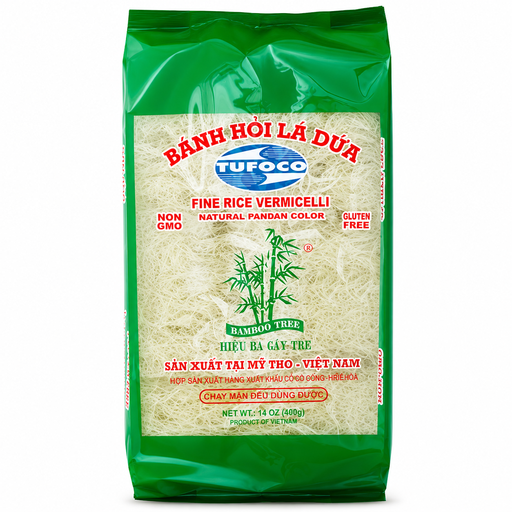
MATCH FOR: The Authentic Cuisine Enthusiast
Why This Fits Their Persona: For those who want to make authentic Vietnamese dishes like Bún (noodle salad) or Gỏi cuốn (fresh spring rolls) at home. These noodles provide the correct delicate, silky texture.
How It Avoids the Trap
This product prevents the 'wrong noodle for the dish' trap. It is specifically labeled as 'Vietnamese Fine Rice Vermicelli', so you know you have the right type for dishes like pho or noodle salads.
Key Advantage & Pros
Made from 88% rice, making it naturally gluten-free. The extra-fine noodles cook quickly and absorb flavours from broths and dressings exceptionally well. The addition of pandan leaf provides a subtle, authentic nuance of colour.
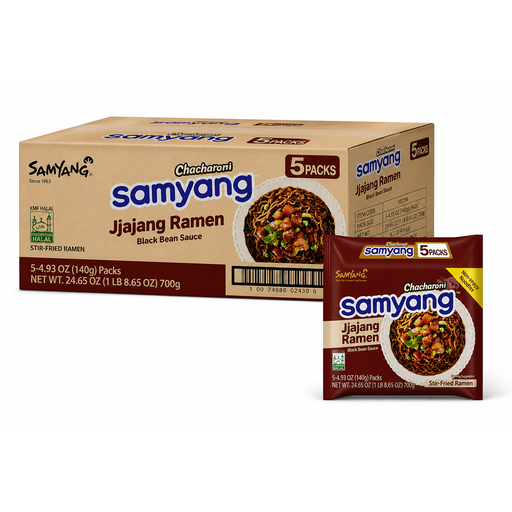
MATCH FOR: The Convenience Seeker
Why This Fits Their Persona: For anyone looking for a quick, flavourful, and filling meal without the fuss. These instant noodles deliver the classic Korean jjajangmyeon experience in minutes.
How It Avoids the Trap
This is a complete meal kit, including noodles and a rich sauce powder. You don't have to search for the right black bean sauce yourself, which reduces the chance of a disappointing result. The ingredient list is clear.
Key Advantage & Pros
Quick and easy to prepare. The thick, springy noodles are characteristic of the Samyang brand, and the black bean sauce (jjajang) is savoury and full of flavour.
Looking for More Options?
We have compiled a complete, up-to-date list of products that fully meet these selection criteria and current regulations.
Frequently Asked Questions
How do I prevent my konjac noodles from tasting rubbery?
The texture of konjac noodles is different from that of wheat or rice noodles. To minimize a rubbery texture, follow these steps:
- Rinse Thoroughly: Drain the noodles and rinse them for 2-3 minutes under cold running water. This removes the odour from the preservative liquid.
- Boil Briefly: Boil the noodles for 1-2 minutes in water. This significantly improves the texture.
- Dry-Fry: For an even firmer bite, you can pan-fry the noodles in a dry, hot skillet for a minute after boiling until the excess moisture has evaporated.
- Combine with Sauce: Because they have little flavor on their own, they absorb the taste of sauces and broths very well. Use a robust sauce.
Which Asian noodles are naturally gluten-free?
If you are looking for gluten-free noodles, there are several options. Always check the ingredient list on the package to ensure no wheat has been added. Good choices include:
- Rice noodles: In all shapes and sizes, from rice vermicelli to wide, flat noodles.
- Shirataki noodles: Made from the konjac plant.
- Glass noodles: Made from mung bean, sweet potato, or cassava starch.
- Soba noodles: Be careful, traditional soba is 100% buckwheat, but many commercial varieties also contain wheat. Choose a variant explicitly labeled as 100% buckwheat.
What is the difference between Japanese udon and Chinese egg noodles?
Although they are both wheat-based, there are clear differences. Udon noodles are thick, soft, and have a smooth, chewy texture. They are traditionally made from wheat flour, water, and salt. Chinese egg noodles are often thinner and more resilient, thanks to the addition of egg to the dough. This also gives them a yellowish colour and a richer flavour. Udon is perfect for thick soups, while egg noodles are widely used in stir-fries and wonton soup.