
Vandaag of morgen in huis

Kwaliteit gegarandeerd

Welkomstaanbiedingen ontgrendelen: GRATIS bezorging | Tot 80% korting | Gratis 30 dagen JoyPlus-proefperiode
Download de app
The Asian noodles aisle can be overwhelming. Dozens of brands, flavours, and packages compete for your attention. If you're not careful, you can easily buy something that doesn't meet your expectations. Many packages promise an "authentic" experience or a "spicy" flavour, but the reality is often different.
As a Joybuy Product Recommendation Officer, I'm here to help you cut through the marketing jargon. We'll focus on what really matters, so you can make a choice that fits your taste and lifestyle. Let's avoid the three most common pitfalls when buying instant noodles.
To avoid buyer's remorse, it's helpful to pay attention to a few concrete specifications. These determine the final taste and eating experience far more than the flashy text on the packaging.
Not all noodles are created equal. The base ingredient determines the texture and how well the noodle absorbs sauce or soup.
The magic of instant noodles lies in the seasoning packets. This is where the difference between a bland, salty soup and a complex flavour experience lies.
Below are a few choices that score well on the above criteria, tailored to different needs.
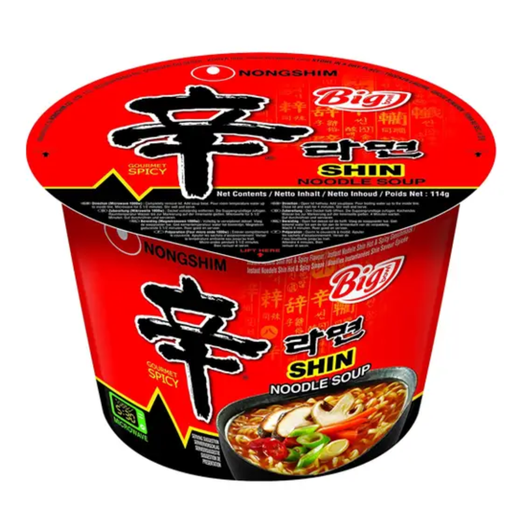
Why This Fits Your Persona: For those who are short on time but still want a filling and flavourful meal. This big bowl from Nongshim is ready in minutes with just hot water. Perfect for a lunch break or a quick evening meal.
The 'Shin' brand is known for a consistent, savoury, and spicy flavour. No surprises; you get the kick you expect. The bowl is exactly what it promises: a complete meal with no extra dishes.
Rich, umami broth with a satisfying level of spice. The noodles are firm and don't get mushy quickly.
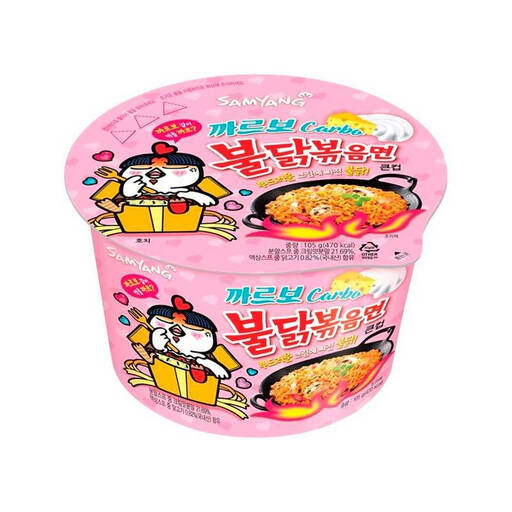
Why This Fits Your Persona: Specifically for those who push the boundaries of spiciness. The combination of the infamous Samyang heat with a creamy carbonara sauce creates a unique and intense flavour experience you won't soon forget.
Samyang's 'Hot Chicken' (Buldak) line is a global phenomenon and a reliable indicator of serious heat. This isn't a vague 'spicy' claim, but a specific, challenging flavour that lives up to its reputation.
Unique fusion flavour (Korean spicy and Italian creamy). The thick sauce clings well to the chewy noodles.
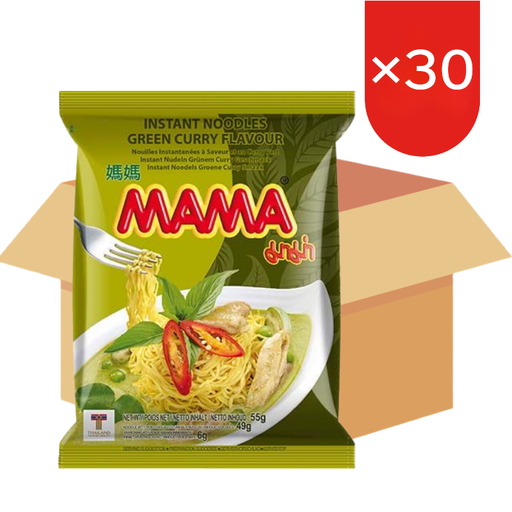
Why This Fits Your Persona: Ideal for families, student housing, or if you simply want to fill your pantry with a reliable favourite. With this box of MAMA noodles, you'll never be caught without noodles and you'll save in the long run.
This box of bulk noodles is transparent about its contents: 30 individual servings. You know exactly what you're buying and pay a clear, lower price per portion, avoiding misleading 'value packs'.
A recognisable and beloved Thai green curry flavour. The portions are perfect for a quick lunch or as a base for a more elaborate meal.
We've compiled a complete, up-to-date list of products that fully meet these strict selection criteria and current regulations.
The easiest way to upgrade your instant noodles is by adding fresh ingredients. A soft-boiled or fried egg, some finely chopped spring onions, a handful of bean sprouts, or some leftover vegetables can transform a simple bowl of noodles into a full-fledged meal. A dash of soy sauce or a bit of chilli oil can also add extra depth of flavour.
The main difference is in the thickness and texture. Ramen noodles are thin and springy, and are almost always served in soup. Udon noodles are significantly thicker, softer, and have a more "chewy" bite. They can be used in soups, stir-fries, or even served cold in a salad.
Look at the branding and the product name. Brands like Samyang with their "Hot Chicken" or "Buldak" line are a clear indicator of extreme heat. Also, look for terms like "2x Spicy" or "Spicy" in combination with specific peppers. If a brand is less well-known, you can search for online reviews that discuss the spice level. In general, Korean spicy noodles are often hotter than their Thai counterparts.
