
当日/次日达

品质保障

开启新人专享福利: 全场免邮 | 低至 2 折 | 免费试用 30 天 JoyPlus 会员
下载 Joybuy
Whether you're craving a quick bowl of instant ramen or gathering ingredients for an authentic bami goreng, the Asian noodle aisle can be overwhelming. The choices are endless, but not every package delivers the flavour or quality you're looking for. As a Product Recommendation Officer at Joybuy, I see the challenges consumers face every day. Avoid disappointment in the kitchen by watching out for a few common pitfalls.
Before you make a choice, it's helpful to know where things often go wrong. Many noodles look similar, but the differences are crucial for the final result.
You don't need to be an expert to bypass these pitfalls. Just pay attention to the following three concrete points on the packaging.
The base ingredient determines the texture and use. The three main types are:
Especially with instant noodles, it pays to scan the ingredients list. A long list with many E-numbers, sugar, or a high salt content can be a sign that the flavour is mostly factory-made. If you're looking for a pure base for your own recipe, choose noodles with a short ingredients list, such as flour, water, and salt. For those with allergies or intolerances, there is a growing number of reliable gluten-free noodles based on rice or buckwheat.
Consider what you'll be using the noodles for. Need a quick office lunch? An instant noodle bowl that's ready in 3 minutes is a practical choice. Planning a more elaborate dinner over the weekend? You can opt for dried noodles that need 5-8 minutes to cook but give you more control over the final result.
Based on product features and intended use, we have selected a few popular choices that suit different needs.
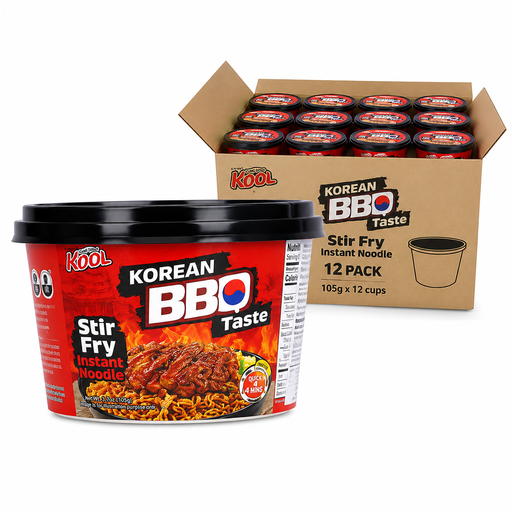
Why This Fits Their Persona: Ideal for students or time-crunched professionals. This noodle bowl is ready in minutes and only requires hot water. Perfect for a quick office lunch or a late-night meal at home.
You're choosing a clear, specific flavour profile (Korean BBQ) instead of a vague "Asian" flavour. This way, you know exactly what to expect.
Delivered in a convenient bowl, and the 12-pack value size is perfect for stocking up.
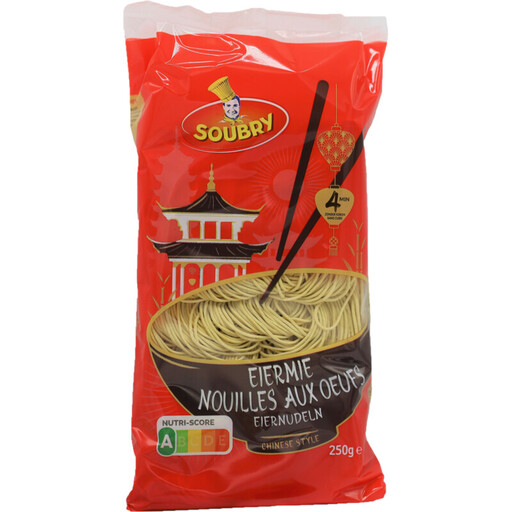
Why This Fits Their Persona: This is an excellent base for the home cook who wants to create a dish like bami goreng or another stir-fry from scratch. The noodles are neutral and absorb the flavours of your sauce and ingredients well.
You're buying a base ingredient, not a meal kit. This gives you complete control over the amount of salt, sugar, and fat, helping you avoid the hidden additives in ready-made sauces.
Made with free-range eggs and requires no boiling; simply soaking in hot water is sufficient. This saves time and an extra pan.
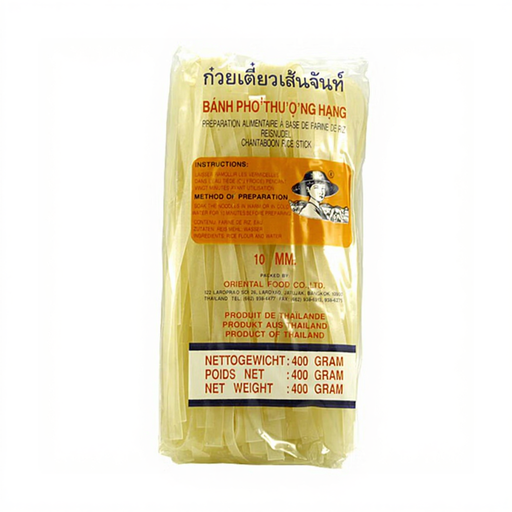
Why This Fits Their Persona: These wide rice noodles are a perfect choice for anyone avoiding gluten or seeking a product that's as pure as possible. They are suitable for vegans and serve as a versatile base for various Asian cuisines.
The ingredients list is as short as it gets: rice and water. No hidden allergens, flavour enhancers, or preservatives. You get exactly what you see.
Naturally gluten-free and free from the 14 major EU allergens. The wide shape (10 mm) provides a pleasant, firm bite in soups and stir-fry dishes.
The world of noodles is vast and diverse. If you're searching for the perfect noodle for your next stir-fry, we have a selection ready for you.
What is the difference between Japanese, Korean, and Chinese noodles? Although there is a lot of overlap, there are general differences. Japanese noodles like ramen and udon are often wheat-based and widely used in soups. Korean noodles are known for their unique, sometimes "chewy" texture, such as glass noodles made from sweet potato. Chinese noodles have the greatest variety, from thin egg noodles for bami goreng to wide rice noodles for stir-fry dishes.
How can I tell if noodles are suitable for stir-frying? Look for terms like "wok noodles" or "stir-fry" on the packaging. In general, wheat-based noodles, especially egg noodles, are firmer and less likely to fall apart during high-heat stir-frying compared to, for example, thin rice noodles.
Are all rice noodles gluten-free? In principle, yes, if they are made purely from rice flour and water. However, it is always wise to check the label. Sometimes other starches are added, or there may be a risk of cross-contamination in the factory. The product information will provide clarity on this.
