
Vandaag of morgen in huis

Kwaliteit gegarandeerd

Welkomstaanbiedingen ontgrendelen: GRATIS bezorging | Tot 80% korting | Gratis 30 dagen JoyPlus-proefperiode
Download de app
The Asian noodle aisle can be overwhelming. Dozens of types, shapes, and brands compete for your attention. However, the wrong choice can completely ruin your carefully planned noodle soup or stir-fry. As a Product Recommendation Officer at Joybuy, I see the challenges consumers face every day. Before you put a pack of noodles in your basket, it's wise to understand a few common pitfalls.
The most frequent mistakes are often the result of unclear packaging or marketing terms:
By paying attention to a few key specifications, you can navigate the selection effortlessly and choose the noodle that will elevate your dish.
The shape of the noodle isn't just an aesthetic choice; it determines how the noodle absorbs sauce and the texture it brings to the dish.
The base of the noodle has a major impact on its flavour, texture, and nutritional value.
To get you started, we've highlighted a few popular choices and matched them with specific home cooks. This selection is based on clear product specifications and their suitability for various dishes.
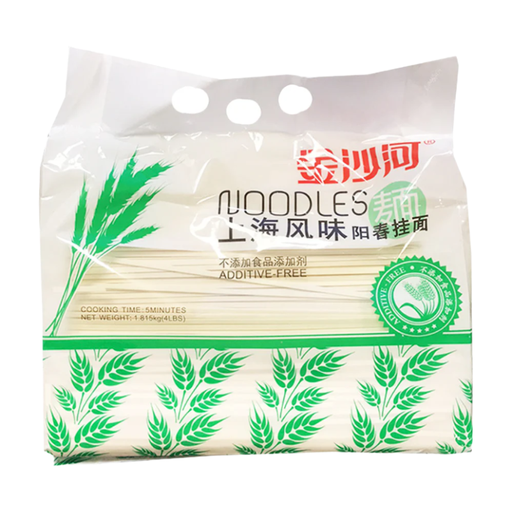
Why This Fits Their Persona: This family-size pack is ideal for households. The fine yet firm noodles are a versatile base for both a quick noodle soup on a weeknight and a more elaborate stir-fry on the weekend.
Avoids the "authentic" trap by being an all-rounder. Its texture is not overly specific, allowing it to fit into many different Chinese noodle dishes without overpowering them or turning to mush.
Made from selected wheat flour, holds up well during cooking, and ensures the broth stays clear. The ingredient list is simple: wheat flour, water, and salt.
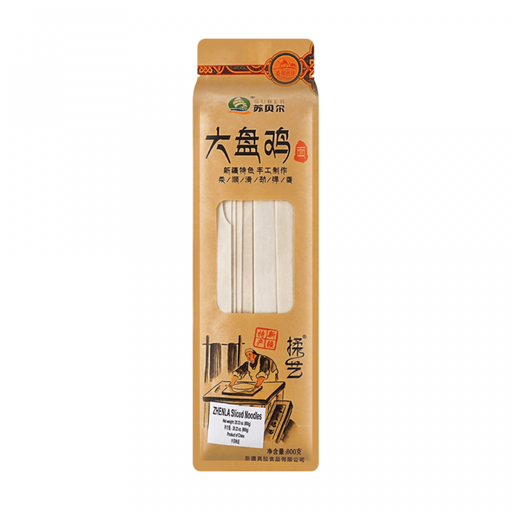
Why This Fits Their Persona: For those who love dishes with a firm bite and rich sauces. These extra wide noodles are the perfect partner for a Xinjiang-style stew or a spicy stir-fry.
This product solves the 'texture mismatch'. The name "Belt Noodles" and their shape are unmistakably designed for dishes that require a noodle that won't get lost under a heavy sauce.
Made with 98% wheat flour for an authentic, hand-pulled texture. The wide, flat shape ensures maximum sauce adhesion.
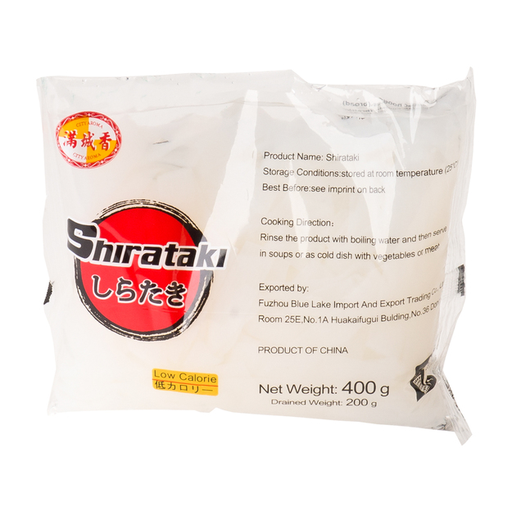
Why This Fits Their Persona: These shirataki noodles are an excellent choice for anyone following a low-carb or low-calorie diet. They offer the satisfaction of a plate of noodles without the carbs.
Tackles the 'hidden ingredients' pitfall. The ingredient list is as simple as it gets: water and konjac powder. No sugar, no fat, and virtually no salt.
Extremely low in calories (9 kcal per 100g) and carbs (1.5g per 100g). The wide shape provides a texture comparable to fettuccine.
We've compiled a complete, up-to-date list of products that meet these selection criteria. Find the perfect noodle for your next culinary adventure.
For stir-fry noodles, it's best to choose medium to wide wheat noodles. These are firm enough to withstand the high heat and constant tossing without falling apart. Types like knife-cut noodles or other wide noodles are excellent because their texture remains intact and they absorb the sauce well. Check the packaging for terms like "suitable for stir-frying."
While there is a lot of overlap, there are some general differences. Chinese noodles have an enormous variety, mostly wheat-based, and range from paper-thin to very wide. Japanese noodles like ramen are often treated with kansui (an alkaline solution), which gives them their characteristic yellow colour and springy texture, while soba is made from buckwheat. Korean noodles include somyeon (very thin noodles made from wheat) and naengmyeon (cold noodles, often made from buckwheat and potato starch).
Dried noodles have a very long shelf life. To maintain quality after opening, it's best to store the remaining noodles in an airtight container or a well-sealed bag. Place them in a cool, dry, and dark place, such as a pantry. This protects the noodles from moisture, which can affect their texture, and keeps them fresh.
