
当日/次日达

品质保障

开启新人专享福利: 全场免邮 | 低至 2 折 | 免费试用 30 天 JoyPlus 会员
下载 Joybuy
The online selection of Asian noodles is vast. From Japanese ramen to spicy Korean varieties, the choice can be overwhelming. Many packages promise an authentic, flavourful meal, but the reality can sometimes be a disappointment. As a Product Recommendation Officer at Joybuy, I filter the offerings and see where things often go wrong. Before you buy noodles, let's discuss the three most common pitfalls.
To sidestep these pitfalls and make a great choice, it's helpful to pay attention to a few practical matters. This will help you find exactly what you're looking for, whether it's a quick snack or the base for an elaborate meal.
The foundation of your meal is the noodle itself. The texture determines a large part of the eating experience.
The included packets are crucial. They determine whether you're making a noodle soup or a 'dry' noodle dish.
To help you get started, we've matched some popular choices with different preferences.
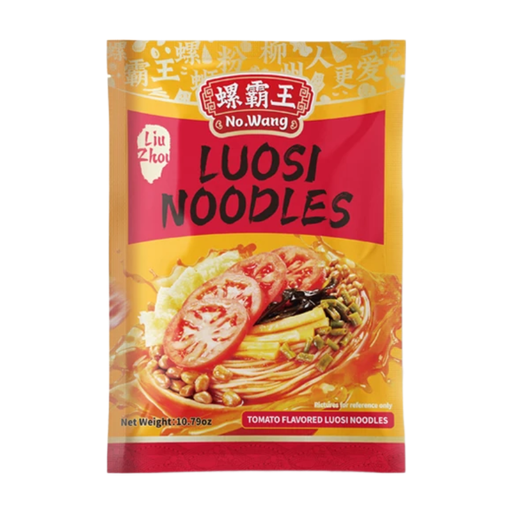
Why This Fits Their Persona: This person seeks unique, bold flavours that go beyond the standard. Luosifen, a dish with a cult following, offers a complex mix of sour, spicy, and umami that you won't soon forget. The tomato version is an approachable introduction to this distinctive world of flavour.
The numerous individual topping packets (including bamboo shoots, peanuts) show that this is no simple noodle soup. The flavour is intentionally complex and pronounced, which is exactly what the adventurous eater is looking for.
A rich, layered broth with a sweet and sour tomato base. Comes with 7 different topping packets for diverse texture and flavour.
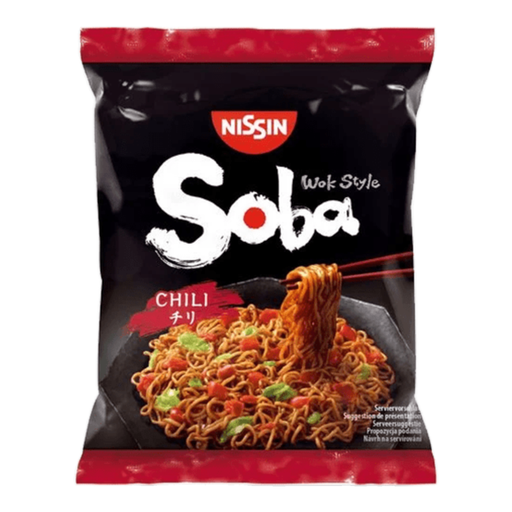
Why This Fits Their Persona: They have little time and need a quick, reliable, and flavourful meal for after a long workday or during lunch. Nissin is a well-known brand that stands for convenience and consistent flavour. These soba noodles are ready in minutes.
Nissin is an established brand, offering predictable quality and taste. The spiciness is balanced for a broad audience, so there are no unpleasant surprises. The nutritional information is clearly stated.
Very fast preparation time. Authentic Japanese soba-style noodles with a spicy chilli sauce. Ideal as a quick, filling meal.
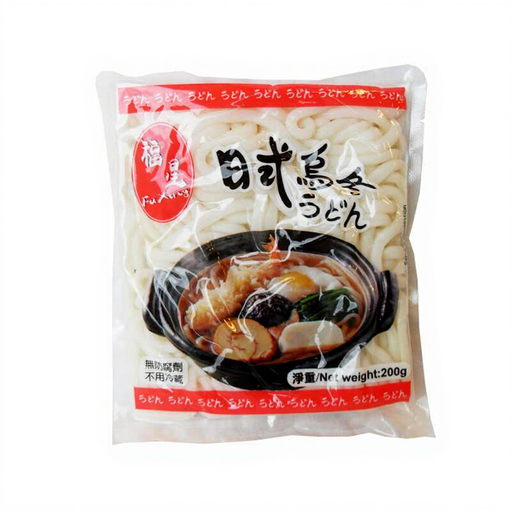
Why This Fits Their Persona: This person likes to buy in bulk to save money and always have a pantry staple on hand. This box of 30 portions of udon noodles is ideal for families or for those who like to plan ahead. The noodles are a versatile base for countless meals.
This is a base product: just noodles. No misleading packaging with flavours that don't deliver. You have complete control over the flavour, salt, and sugar content by adding your own broth and toppings.
Economical bulk package (30 portions). Versatile udon noodles with a thick, chewy texture that can serve as a base for soups, stir-fries, and salads.
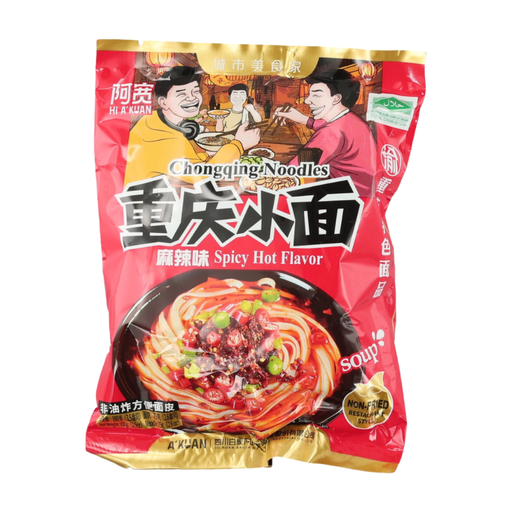
Why This Fits Their Persona: This eater is specifically looking for authentic and intense spicy noodles. The 'mala' (numbing and hot) flavour of Sichuan cuisine, characteristic of Chongqing, is exactly the kick they're looking for. This isn't mild spiciness, but a complete flavour experience.
The name "Chongqing Noodles" and "Spicy Hot" clearly indicates the type of spiciness. This isn't a vague claim, but a reference to a specific regional specialty known for its intense heat and numbing Sichuan peppercorns.
Authentic 'mala' flavour with a special oil and spice blend. Chewy noodles that absorb the rich, spicy sauce well.
We have compiled a complete, up-to-date list of products that meet these selection criteria. Discover the full range and find your favourite.
Fried noodles, the most common type, are flash-fried to dry them out. This allows for a very quick preparation time (often, just adding hot water is enough). Non-fried noodles, like the Liu Yu Da Dong Hang Non-Fried Noodles, are air-dried. As a result, they contain less fat, often have a firmer bite, and typically need to be cooked in boiling water for a few minutes.
It's very simple: add fresh ingredients. A soft-boiled egg, some finely chopped spring onions, a handful of bean sprouts, or some leftover chicken or tofu can transform a simple noodle soup into a complete meal. A dash of soy sauce, sesame oil, or chilli oil will instantly add more depth to the flavour.
Look at the origin and the name on the packaging. Noodles from regions like Sichuan or Chongqing (such as the A'Kuan Chongqing Noodles) often use Sichuan peppercorns for a 'mala' (numbing and hot) spiciness. Korean spicy noodles are known for their intense, often sweet-and-spicy kick. If you're unsure, start with half of the seasoning packet and add more to taste.
