
Vandaag of morgen in huis

Kwaliteit gegarandeerd

Welkomstaanbiedingen ontgrendelen: GRATIS bezorging | Tot 80% korting | Gratis 30 dagen JoyPlus-proefperiode
Download de app
The Asian noodle aisle, both online and in-store, can be overwhelming. The colourful packaging promises an authentic flavour experience, but the reality can sometimes be a letdown. As a Product Recommendation Officer at Joybuy, I see the challenges consumers face daily. Before you buy another pack that fails to meet your expectations, let's discuss a few common pitfalls.
The most frequent misstep is falling for attractive packaging. A photo of a richly filled bowl of ramen doesn't mean those ingredients are actually in the packet. Another pitfall is the "authentic flavour" claim. This can sometimes boil down to a generic, overly salty powder packet that has little to do with the specific flavours of, for example, Korean or Japanese cuisine.
To make a good choice, it's helpful to pay attention to a few objective characteristics. These specifications largely determine the quality and convenience of your meal.
Not all instant noodles are created equal. The type of noodle determines the texture and how well it absorbs the broth.
The soul of the meal is in the packet of broth powder or paste. Check the ingredients list to see where the flavour comes from.
The packaging determines how you prepare and store the noodles.
Based on these criteria, we have selected a few products that suit different needs and preferences.
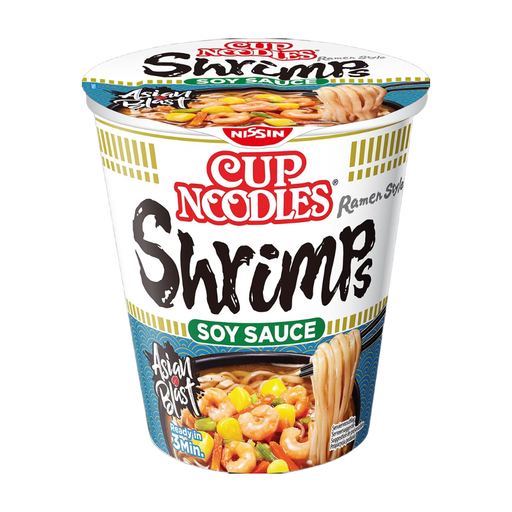
Why This Fits Your Persona: Perfect for students or young professionals who need a quick, reliable, and tasty meal without the fuss. Ready in 3 minutes, with minimal cleanup.
This product delivers exactly what it promises: a quick noodle meal with a classic soy sauce and shrimp flavour. No false promises of a culinary masterpiece, just a consistent and recognisable taste from a trusted brand.
Convenience: Just add boiling water. Ingredients: Contains actual dried shrimp and vegetables, which provide more texture and flavour than a simple powder packet.
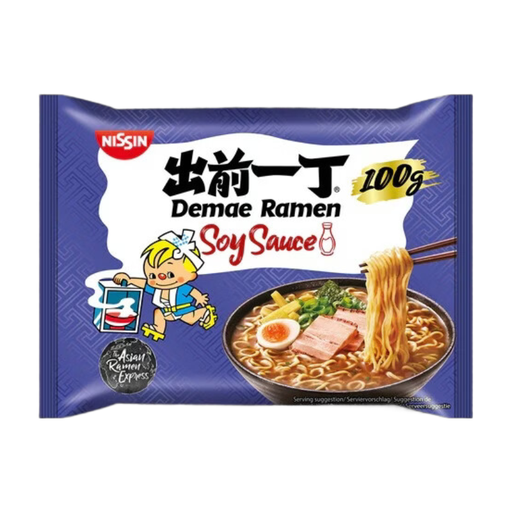
Why This Fits Your Persona: For those seeking a more authentic base for a homemade bowl of ramen. The bagged noodles offer a better texture, and the specific flavour is a great starting point for your own creations.
This product avoids the pitfall of a generic "Asian" flavour by offering a specific profile: Tokyo Soy. The ingredients list shows a base of real soy sauce, which provides a deeper umami flavour than a simple salt mixture.
Better Noodle Texture: Cooking the noodles in a pot gives you a superior 'bite'. Flexibility: A perfect canvas for adding your own toppings, such as an egg, spring onions, or slices of meat.
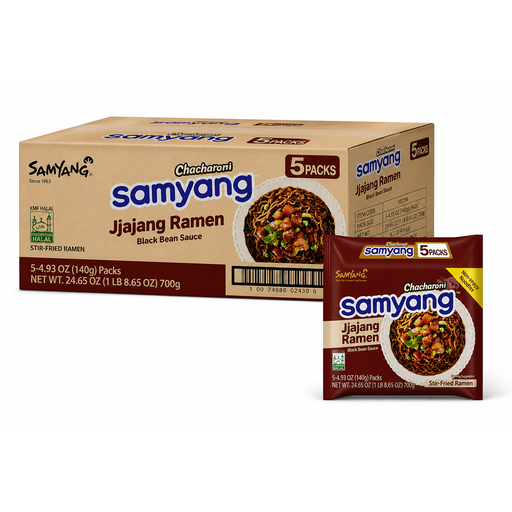
Why This Fits Your Persona: Ideal for the fan of Korean ramen who likes to keep a well-stocked pantry. This bulk pack is cost-effective and ensures your favourite meal is always within arm's reach.
By buying in bulk, you avoid the higher per-unit price of individual packets at the supermarket. You're investing in a large quantity of a specific, beloved flavour (Jjajangmyeon), so there are no surprises.
Cost Savings: Significantly cheaper per serving than individual packs. Unique Flavour: The savoury and slightly sweet black bean sauce is a welcome change from standard soup noodles.
We have compiled a complete, up-to-date list of products that fully meet these strict selection criteria and regulations.
You can easily elevate a simple bowl of instant noodles. For example, add a soft-boiled egg, some finely chopped spring onions, a handful of bean sprouts, or some leftover chicken. A dash of sesame oil, chilli oil, or a spoonful of peanut butter can also give the broth a surprising and richer flavour.
Although the terms are often used interchangeably, there are subtle differences. Japanese ramen typically has a more refined broth, based on ingredients like soy sauce (shoyu), fermented soybeans (miso), or pork bones (tonkotsu). Korean ramyeon is generally spicier and has a more robust, often red, broth. Brands like Samyang are a good example of the popular Korean style.
Absolutely. If you're looking for a lighter alternative, konjac-based noodles are an excellent choice. A product like the Nakaki 0kcal Konjac & Soy ramen contains, as the name suggests, virtually no calories. These noodles are made from the fibre-rich konjac plant and are a popular component of many diets.
