
Vandaag of morgen in huis

Kwaliteit gegarandeerd

Welkomstaanbiedingen ontgrendelen: GRATIS bezorging | Tot 80% korting | Gratis 30 dagen JoyPlus-proefperiode
Download de app
The Asian noodle aisle can be overwhelming. Dozens of types, shapes, and brands. You buy a package with the promise of an authentic meal, only to end up with a mushy mess or a dish that lacks the texture you were hoping for. It's a common problem. Many packages use vague terms that say little about the contents, making it easy to make the wrong choice.
As a Joybuy Product Recommendation Officer, I see the challenges consumers face every day. Before you fill your shopping cart, it's helpful to know the most common pitfalls:
You don't need to be an expert to make a good choice. Pay attention to a few objective qualities. These specifications determine the taste, texture, and suitability of the noodle.
The main ingredient is the most important factor for texture and flavour.
The shape determines how the noodle absorbs sauce and its mouthfeel.
Dried noodles require a cooking time of several minutes but offer a superior texture and bite. They are the standard in most Asian kitchens and come in large, economical packages. Instant noodles are pre-cooked and dried, often by frying. They are ready in minutes but have a softer, less elastic texture. Convenient for a quick meal, but less suitable for preparing authentic dishes.
Based on product specifications and applications, we have highlighted a few choices that suit different users.
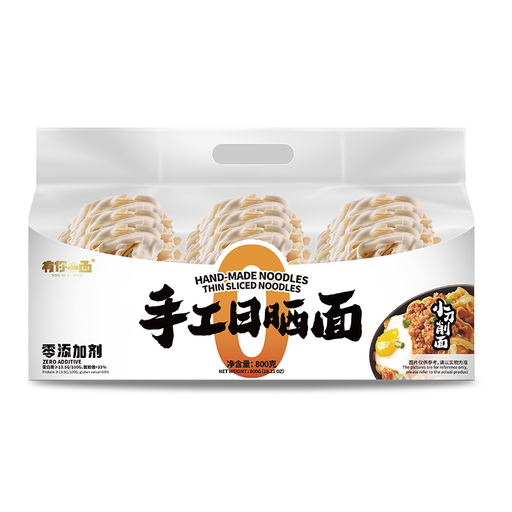
Why This Fits Their Persona: These wheat noodles have a 'handmade' style that provides a delicate, smooth texture. They are neither too thick nor too thin, making them an excellent all-rounder for both a quick noodle soup and a simple stir-fry.
Avoids the 'wrong noodle for the wrong dish' pitfall. Its versatile shape and texture minimize the risk of a culinary mishap.
Quick cooking time (3-5 min) and a high protein content (14.1g per 100g) for a nutritious base.
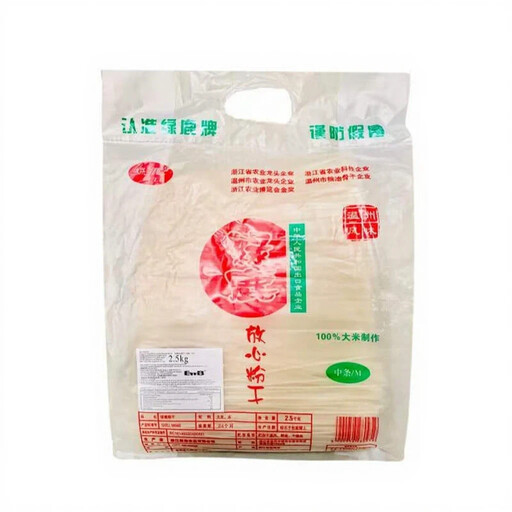
Why This Fits Their Persona: For restaurant owners or large families, cost-efficiency and consistency are crucial. This 2.5 kg bulk package of rice vermicelli offers excellent value. The noodles are gluten-free and versatile enough for soups, salads, and light stir-fries.
Directly addresses the pitfall of 'overpaying for small packages'. The price per kilo is significantly lower than standard supermarket packs.
Bulk package (2.5 kg) for a competitive price. Made with 88% rice and is naturally gluten-free.
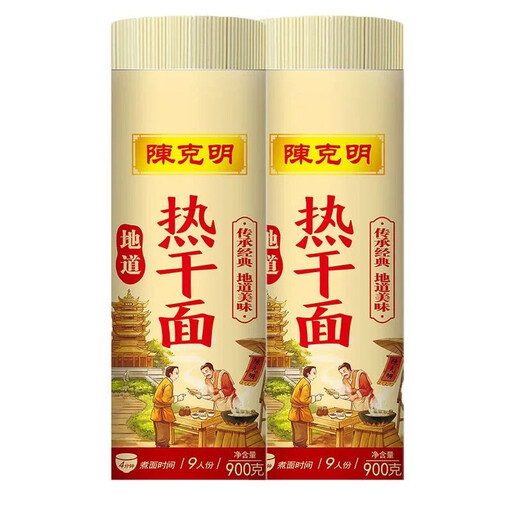
Why This Fits Their Persona: For those who want to recreate a specific, iconic dish like Wuhan 'Hot Dry Noodles' (Re Gan Mian). These noodles are specially developed for this dish and have the right firm, elastic texture to hold up to the thick sesame sauce without becoming mushy.
Bypasses the 'authentic marketing trap'. Instead of a vague promise, this product is specifically designed for one famous regional dish.
Specifically for Wuhan 'hot dry noodles'. The firm and smooth texture is optimized for this dish.
We have compiled a complete, up-to-date list of products that fully meet these strict selection criteria and current regulations.
Three tips: use a large pot with plenty of boiling water, stir the noodles immediately after adding them to prevent sticking, and cook them 'al dente' (just cooked with a slight bite). For stir-fries or salads, it's recommended to briefly rinse the noodles with cold water after draining to stop the cooking process.
Although there is a lot of overlap, there are some general differences. Chinese noodles have an enormous variety in shape and are often made from wheat, rice, or mung beans. Japanese noodles are typically more standardized, with well-known types like ramen (wheat, often with kansui for elasticity), udon (thick wheat noodles), and soba (buckwheat).
In principle, yes. Rice noodles are made from rice flour and water, both of which are naturally gluten-free. However, it is always wise to check the ingredient list. Sometimes cornstarch or tapioca starch is added for texture, which is also gluten-free. Check the packaging for cross-contamination if you follow a strict gluten-free diet.
