
Vandaag of morgen in huis

Kwaliteit gegarandeerd

Welkomstaanbiedingen ontgrendelen: GRATIS bezorging | Tot 80% korting | Gratis 30 dagen JoyPlus-proefperiode
Download de app
A bag of Asian noodles might seem straightforward to pick at first glance. Yet Chinese noodles, Korean noodles, rice noodles and instant noodles differ greatly in preparation, texture, ingredients and portion size. If you rely solely on a colourful packet or the promise of an "authentic flavour", you could end up with noodles that turn too soft, don't suit the recipe, or contain unnecessarily high levels of salt.
This practical buying guide shows you what to look out for. After that, we explore some popular choices for different eating habits and budgets.
Not every type is ready after pouring hot water over it. Some dried noodles need to be soaked first and then boiled. Rice noodles for Luosifen, for example, may need several minutes of boiling, whereas a cup of instant noodles often only requires hot water.
Always check:
Spicy noodles can be predominantly hot, but also sour, aromatic, savoury or numbing thanks to Sichuan pepper. With Luosifen rice noodles, sour bamboo shoots, vinegar and chilli often work together. A dish with mala flavour typically contains chilli and chilli oil.
So look at the individual sachets and ingredients. The presence of chilli oil, vinegar, sesame paste or Sichuan pepper tells you more than just the front of the packet.
A stock of dried noodles can be handy, but pay attention to the net weight and number of servings. A box containing multiple instant noodles is suitable for a student kitchen or store cupboard, whereas a 500g bag of loose noodles offers more flexibility for multiple recipes.
Also check for allergens such as wheat, soya, peanuts, sesame, shellfish and sulphites. Composite flavour sachets in particular can contain ingredients that aren't in the noodles themselves.
The main ingredient determines how the noodle feels and which sauce it suits.
Pay attention to the proportion of the main ingredient. According to the product information, Wang Korean-Style Vermicelli consists of 99.9% sweet potato starch and water. This makes the composition clear, while the noodles develop an elastic texture after cooking.
The instructions on the packet are more important than general cooking tips. For example, the product information for Wang vermicelli advises soaking the noodles in warm water for about 20 minutes first, then boiling for 6 to 7 minutes. The Chunsi Wuhan Hot Dry Noodles require approximately 4 minutes of cooking time according to the description.
For quick meals, instant noodles are practical, but even here there are differences:
Don't just compare the calories per 100g, but also the amount of salt, fat and added seasonings. What's more, the nutritional values don't always apply in the same way: for some products they refer to the dry noodles, for others to the complete product including sauce sachets.
Feel free to use chilli oil, vinegar or sesame paste partially if you want to control the flavour yourself. For allergies or food intolerances, the full ingredients list is what matters. A product might appear wheat-free based on the noodle, yet still contain soya or gluten in the broth.
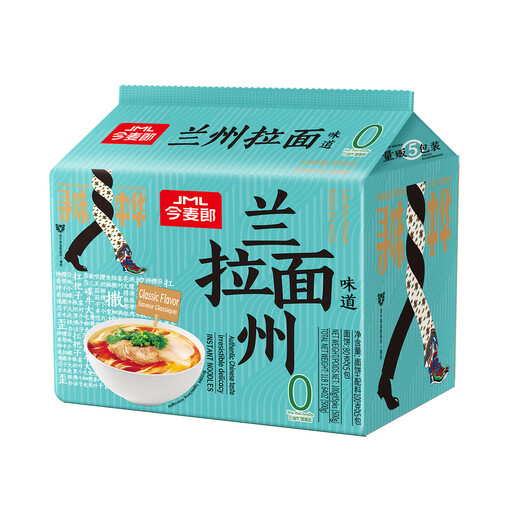
Why this fits the profile: Five 100g portions offer a practical stock for quick soup meals. According to the product information, preparation takes about 3 minutes.
The portion packaging and clear preparation instructions reduce the chance of overcooking or waste.
500g total, with wheat noodles, soup seasoning, chilli oil and dried spring onion.
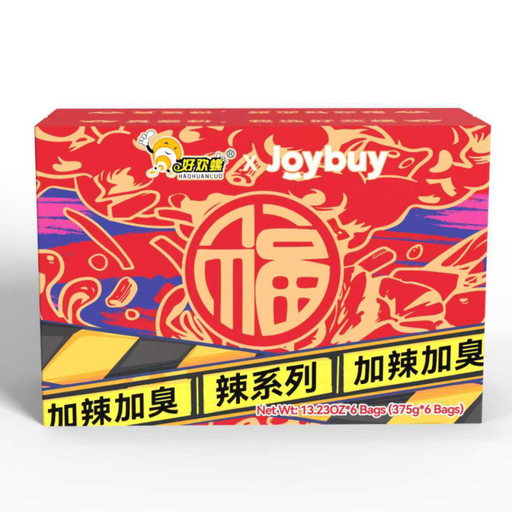
Why this fits the profile: If you want to try multiple regional flavour components, you get six 375g bags with separate toppings and flavour sachets.
The packaging lists ingredients and allergens such as molluscs, soya, wheat and peanuts; the spiciness does remain an important point to note.
Rice noodles with sour bamboo shoots, peanuts, tofu skin, snail meat according to the product description and chilli oil.
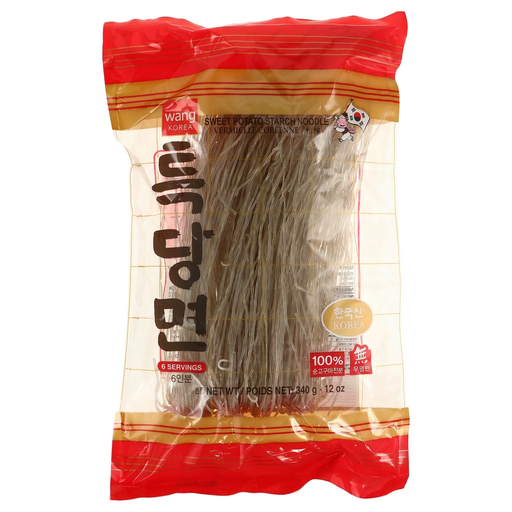
Why this fits the profile: These glass noodles are suitable for japchae, stir-fries, hotpot, soup and salad. That makes them useful if you regularly cook different recipes.
The product information provides both a soaking time and a cooking time, so you can better preserve the elastic texture.
99.9% sweet potato starch according to the product description and naturally gluten-free according to the stated composition.
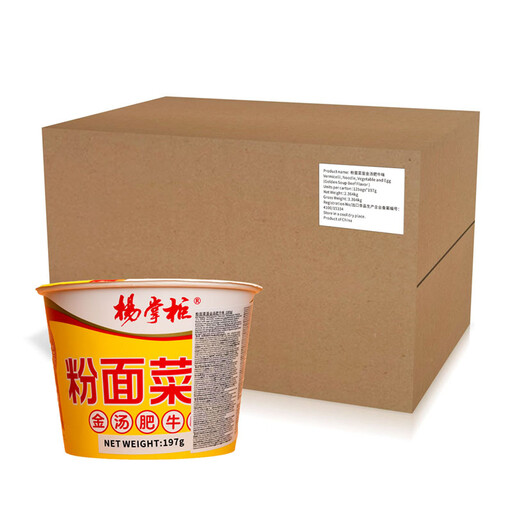
Why this fits the profile: The box contains 12 cups of 197g each. With hot water above 85°C and about 5 minutes' waiting time, this is convenient for stocking up, work breaks or a small kitchen.
The portions are pre-assembled. Do check the listed allergens: wheat, soya and sesame.
12 individual cups with noodles, vegetables, seaweed, sauce and vinegar sachet; no fork is included.
We've put together a full, up-to-date list of products that fully meet these strict selection criteria and comply with current European safety regulations.
Instant noodles are usually the simplest: you boil or steep them and add the flavour sachets. For a slightly more flexible meal, you can use dried Lanzhou noodles, vermicelli or udon with broth, vegetables and egg. Always check the preparation time on the packet.
Rice noodles are made from rice and water and usually remain light in colour. Glass noodles are often made from starch, for example sweet potato starch, and turn translucent after cooking. Glass noodles absorb sauces well and are suitable for dishes such as japchae, hotpot and salads.
Store unopened dried noodles in a cool, dry place, away from direct sunlight and moisture. Seal an opened packet tightly. Prepared noodles with broth or sauce are best eaten immediately according to the product instructions. Always check the best-before date and the current information on the packet before purchasing.
