
Vandaag of morgen in huis

Kwaliteit gegarandeerd

Welkomstaanbiedingen ontgrendelen: GRATIS bezorging | Tot 80% korting | Gratis 30 dagen JoyPlus-proefperiode
Download de app
Buying Asian noodles seems straightforward—until you are faced with a supermarket shelf or online selection featuring dozens of varieties. Thick udon noodles, thin rice noodles, fresh ramen noodles and spicy instant noodles each have different preparation methods and uses. Choosing the wrong type can result in soggy noodles, an overly salty meal or a package that remains untouched in the pantry.
This practical guide compares noodles by ingredients, texture, preparation, packaging and occasion. That makes it easier to find the right option for soup, stir-fries, hotpot, cold dishes or high-volume use.
Wide noodles often appear suitable for any dish, but cooking time and texture vary from one product to another. Hand-pulled noodles and dao xiao mian are generally thicker and require more cooking time than thin Chinese noodles. Ramen and udon may also be sold fresh, dried or frozen.
Always check:
Stir-fry noodles that are ready in two minutes are convenient, but some varieties still need to be boiled and rinsed first. With instant noodles, sauce and seasoning sachets can determine much of the flavour. That is practical, but not always ideal if you want to control the amount of salt or heat yourself.
A 2 kg package is well suited to large households, restaurants or caterers, but less so for someone who only eats noodles occasionally. Pay attention to the price per 100 grams, shelf life after opening and the storage space available. Frozen noodles also require sufficient freezer capacity for storage at around -18 °C.
Dried noodles such as Lanzhou noodles and Shanghai spring noodles are convenient for pantry storage. They take up little space and are often suitable for soups, stir-fries and cold noodle salads.
Fresh noodles generally have a soft, elastic texture and can be prepared quickly. According to the product information, JINBAIWEI Udon Noodles in a 200-gram pack can be heated in the microwave. Always check the instructions on the packaging and do not eat noodles raw unless this is explicitly permitted.
Frozen noodles are a practical choice if you want a texture closer to that of fresh noodles. TCT Dao Xiao Noodles and TCT Frozen Ramen must be stored frozen. According to the product information provided, a thawed product must not be refrozen.
Many Chinese noodles, Korean noodles, ramen and udon noodles are made with wheat flour. This means they contain gluten. Check the label carefully if you have an allergy or intolerance.
Rice noodles are generally made with rice flour and have a different bite. Wide starch noodles, such as some hotpot noodles, absorb sauces and broth particularly well. According to the product information, Yu Mei Hot Pot Wide Bean Noodle is made with sweet potato and tapioca starch and comes with sauce and seasoning.
Cooking time provides an initial indication of texture:
Use the packaging as your guide. The ideal bite can vary depending on the dish. For stir-fries, it is helpful to cook the noodles slightly less, as they will continue cooking in the pan.
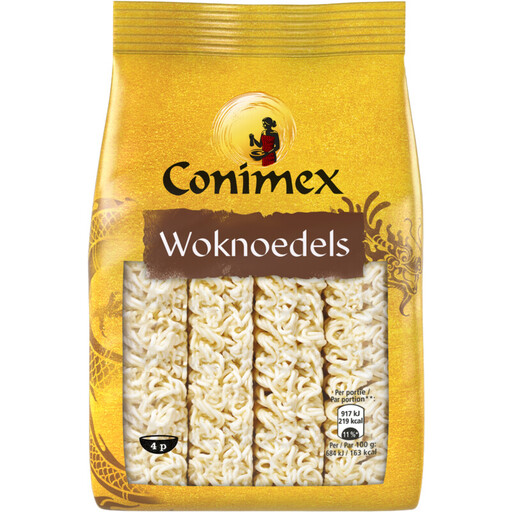
Why this profile is a good fit: An approachable choice for students, families and home cooks who want to prepare a quick vegetarian stir-fry.
The preparation instructions specify two minutes of boiling followed by rinsing, keeping the process clear and straightforward.
According to the product information, the pack serves 3–4 people and contains wheat flour and gluten.
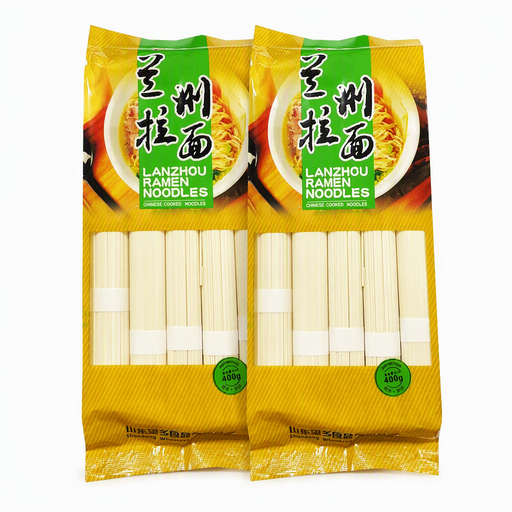
Why this profile is a good fit: Ideal for lovers of Chinese noodles looking for a substantial base for clear broth, beef soup or stir-fries.
The product information specifies a clear cooking time of 4–6 minutes and just three basic ingredients.
The bundle contains 800 grams and is described as thin, springy and suitable for soup or stir-fry.
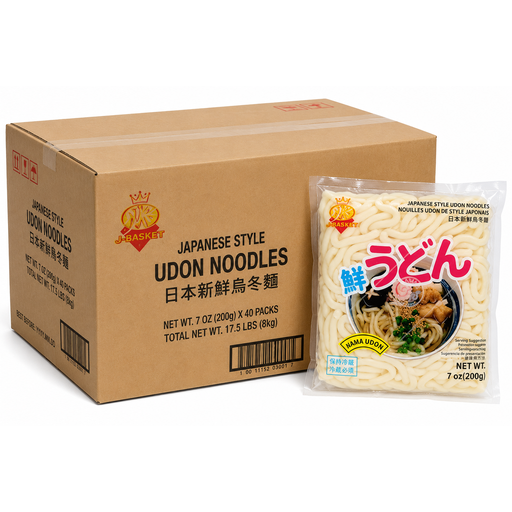
Why this profile is a good fit: The box of thirty individual portions is designed for restaurants, catering businesses, large households and frequent preparation.
The 200-gram portions help minimise waste and make it easier to portion noodles for each order.
According to the product description, these Japanese udon noodles are thick, soft and chewy, with wheat flour, water, salt and starch as ingredients.
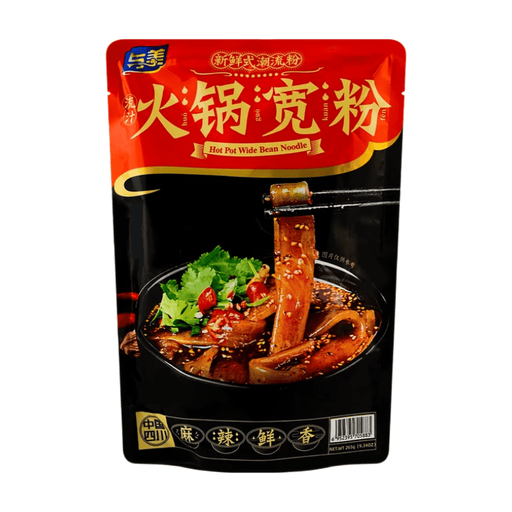
Why this profile is a good fit: A convenient meal option for anyone who wants to prepare hotpot-style flavours or spicy noodles at home without having to assemble separate seasonings.
The sauce and seasoning are supplied separately, allowing you to control how much of the spicy flavouring you add.
According to the product information, the wide noodles are ready in 3–5 minutes. Do note the listed allergens, including wheat, soy and sesame.
If you are looking to order Asian noodles online, consider Wheatsun Shanxi Knife-Cut Noodles in a 400-gram pack for thick, substantial noodles in soup or stir-fries. For a larger pantry supply, Chunsi Shanghai Spring Noodles in a 2 kg pack and Toyoung Sichuan-Style Dan Dan Noodles in a 2 kg pack are relevant options.
Prefer to compare ramen or udon noodles? TCT Frozen Ramen is a 400-gram frozen option, while JINBAIWEI Udon Noodles are available in 200-gram bags. For a cold Korean preparation, Kuai Lai Kuai Wang Korean Cold Noodles 385 grams comes with soup, sauce and oil components. For every product, check the current ingredients, allergens, storage requirements and best-before date on the packaging.
Browse a current selection of products and compare dried, fresh and frozen varieties by format, preparation method and intended use.
Wok noodles, Shanghai spring noodles, Shanxi knife-cut noodles and some udon noodles are suitable for stir-fries. Cook them according to the packaging and keep them slightly firm if they will be fried in the wok afterwards. This reduces the risk of them becoming too soft.
Ramen noodles are usually relatively thin and are often served in soup. Udon is thicker, with a soft yet satisfyingly firm bite. Chinese noodles range from thin Lanzhou-style noodles to wide, knife-cut varieties. So do not focus solely on origin; pay particular attention to shape, ingredients and cooking time.
Store dried noodles in a cool, dry place and seal the package securely after opening. Store fresh noodles according to the instructions on the label. Frozen noodles should remain at the specified freezing temperature. If a product has thawed, check the packaging before refreezing it; for the TCT products mentioned above, refreezing is not recommended.
