
Vandaag of morgen in huis

Kwaliteit gegarandeerd

Welkomstaanbiedingen ontgrendelen: GRATIS bezorging | Tot 80% korting | Gratis 30 dagen JoyPlus-proefperiode
Download de app
The Asian noodle aisle can be overwhelming. Dozens of types, shapes, and brands are vying for your attention. It's tempting to just grab a random package, but this often leads to disappointment in the kitchen. As a Product Recommendation Officer at Joybuy, I see where things frequently go wrong. Before you fill your shopping cart, it's wise to know a few common pitfalls.
By paying attention to a few key points, you can easily avoid these problems and find the right Asian noodles for your meal.
A good choice starts with reading the label. Two factors are crucial for a successful noodle dish: the ingredients and the shape.
The base of many traditional Chinese noodles is surprisingly simple: wheat flour, water, and salt. A short ingredient list often indicates a product focused on texture and quality, without unnecessary additives. These wheat noodles are a versatile base for countless dishes.
Are you looking for a different flavour or texture? Then buckwheat noodles (soba) are an interesting option. Pay close attention to the percentage of buckwheat. A higher percentage (e.g., 20% or more) provides a more distinct, nutty flavour and a firmer bite. Products with only a few percent buckwheat often don't offer the authentic experience. Most varieties you can buy online are dried noodles, which have a long shelf life and are easy to portion.
The shape of the noodle isn't just for aesthetics; it determines how well the sauce is absorbed and what the eating experience is like.
To help you get started, we've highlighted a few popular choices that suit different home cooks. These recommendations are based on their product specifications and intended use.
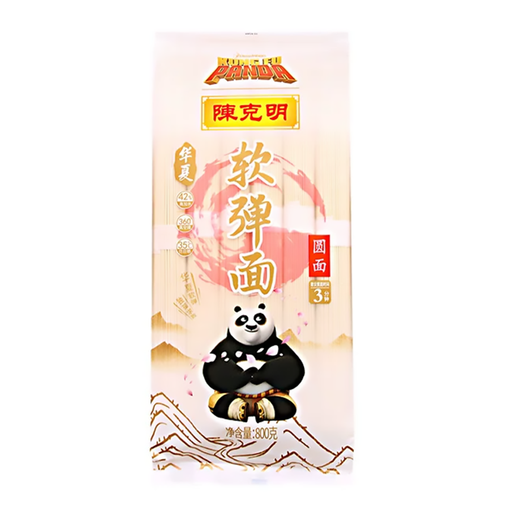
Why This Fits Their Persona: This is a reliable all-rounder for those who like variety. The classic round shape and neutral flavour make these noodles suitable for a quick noodle soup on a Tuesday and an elaborate stir-fry on the weekend.
The ingredient list is short and clear (wheat flour, starch, salt), avoiding the trap of unnecessary, expensive additives. The texture is soft and resilient, not mushy.
Versatile for soups, stir-fries, and cold noodle salads. The 800g package is practical for families or for those who like to keep a well-stocked pantry.
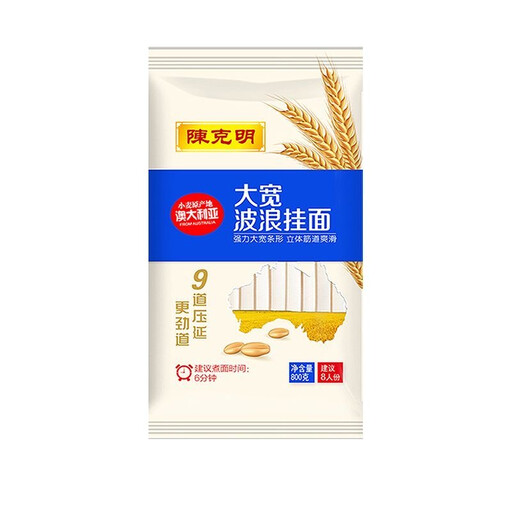
Why This Fits Their Persona: For those who love saucy dishes, like stews or a rich stir-fry. These noodles are designed to hold onto the sauce and provide a satisfying, firm bite.
This noodle solves the "wrong noodle for the dish" problem. Its wavy, wide shape is functional, ensuring the sauce doesn't get left behind at the bottom of the bowl.
The unique shape holds sauces and soups better. The texture is described as "delightfully chewy," which is ideal for stir-fries, soups, and braised dishes.

Why This Fits Their Persona: Perfect for those seeking a noodle with a different nutritional profile and a more pronounced, nutty flavour. Ideal for cold noodle salads or a simple soup.
This product avoids the "exotic ingredients" myth by being transparent: it contains ≥50% buckwheat flour. This is a substantial proportion that genuinely influences the flavour and texture.
High content of buckwheat flour for a rich, nutty taste. The noodles are firm and smooth, and at 1.7g of fat per 100g, they are a lighter option.
We have compiled a complete, up-to-date list of products that fully meet these strict selection criteria and UK regulations.
1. How many dried noodles do I need per person? As a guideline, use about 80 to 100 grams of dried noodles per person for a main course. For an appetiser or a light soup, 50 to 60 grams is often sufficient.
2. What is the difference between Chinese noodles and Japanese udon noodles?Chinese noodles encompass a huge variety of noodles made from wheat, rice, or other grains, in all sorts of shapes and thicknesses. Udon noodles are specifically Japanese: they are thick, soft, and chewy noodles made exclusively from wheat flour, water, and salt.
3. How do I store an opened package of dried noodles? To maintain freshness and protect against moisture, it's best to store opened dried noodles in an airtight container or bag in a cool, dry, and dark place, such as a pantry. This way, they will stay good for months.
