
Vandaag of morgen in huis

Kwaliteit gegarandeerd

Welkomstaanbiedingen ontgrendelen: GRATIS bezorging | Tot 80% korting | Gratis 30 dagen JoyPlus-proefperiode
Download de app
The Asian noodle aisle can be overwhelming. The packaging promises authentic flavours, but once you get them home, the texture is disappointing or the taste is bland. Many home cooks fall into the same traps: they're swayed by attractive packaging or choose a type of noodle that's completely wrong for their dish.
Before you buy another pack of noodles that gets lost in the back of your pantry, it helps to know what to look for. We'll cover the most common missteps and give you practical advice for making the right choice, whether you're preparing ramen, a stir-fry, or a noodle soup.
buckwheat noodle, when what you really want is a product with a much higher percentage for that distinctive flavour. Always check the ingredient list and ratios, not just the marketing buzzwords.udon noodles in a light, clear broth? They can completely overpower the subtle flavours. The noodle's shape and texture are crucial to the final result.To avoid a bad purchase, focus on three objective characteristics. These will determine the flavour, texture, and ultimate success of your meal.
The type of grain is the most important factor for flavour and texture.
ramen noodles, udon noodles, and many Chinese noodles. They range from thin and springy to thick and soft. Often used for soups and stir-fries.Japanese noodles have a distinctive, nutty flavour. The buckwheat percentage is the key specification here. A higher percentage (above 30%) provides a more robust flavour and a firmer bite.The shape of the noodle determines how well it picks up sauce or broth.
noodles for soup or cold noodle salads. They cook quickly and have a delicate texture.noodles for stir-frying.Korean noodles.Below are several product choices, matched to specific needs and cooking styles.
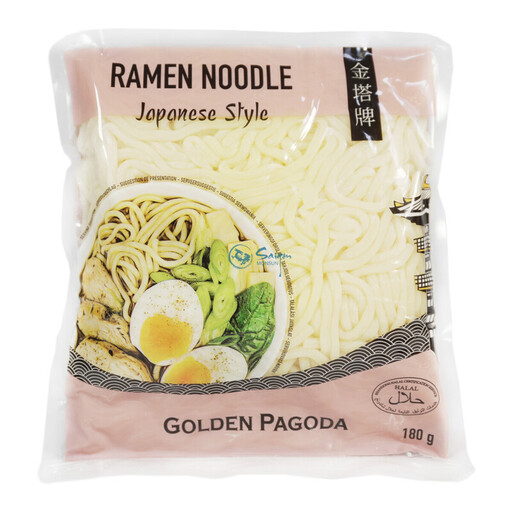
Why This Fits Their Persona: For the busy professional or student who wants a quick yet flavourful meal. These fresh noodles are ready in minutes and provide a great base for a bowl of ramen or a quick stir-fry.
This product is exactly what it claims to be: fresh noodles. No vague marketing, just a clear, short cooking time and a soft texture that's hard to achieve with dried varieties.
Extremely short preparation time. The silky texture is ideal for soups as it absorbs the broth beautifully.
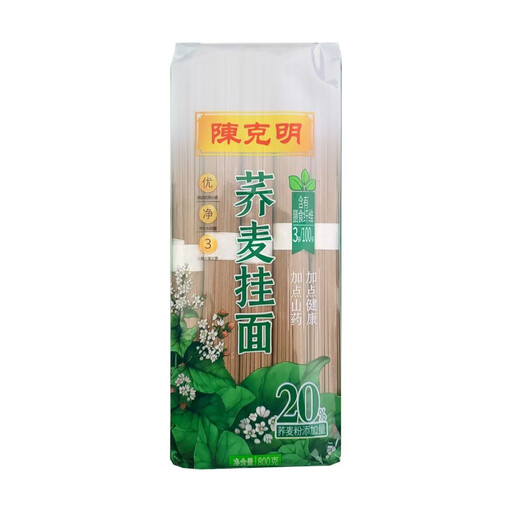
Why This Fits Their Persona: For the home cook seeking the authentic, nutty flavour of soba noodles. Ideal for traditional Japanese dishes, served either hot or cold.
The packaging specifies a high buckwheat content (≥50% buckwheat flour). This is an objective quality metric that guarantees a deep flavour, unlike noodles with just a hint of buckwheat.
The high buckwheat content creates a firm, flavourful noodle. The addition of yam flour (3%) contributes to a pleasant, smooth texture.
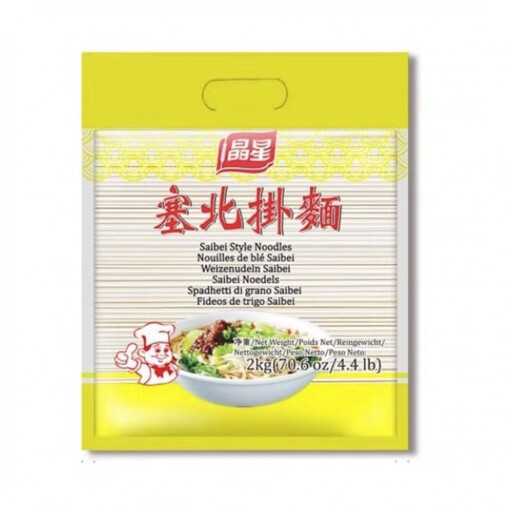
Why This Fits Their Persona: Perfect for families or anyone who likes to keep a well-stocked pantry. This value pack is cost-effective, and the noodles are versatile enough for a wide range of Chinese dishes.
This isn't a product with over-the-top marketing. It's a pantry staple with simple, clear ingredients (wheat flour, salt) at a fair price. You get exactly what you see: a large quantity of reliable noodles.
The 2 kg value pack offers excellent value. The noodles are resilient and hold their texture well, making them suitable for both soups and stir-fries.
We've compiled a complete, up-to-date list of products that fully meet these strict selection criteria and regulations.
While there's a lot of overlap, there are some general differences. Japanese noodles like ramen and udon are often known for their specific textures and are used in iconic soups. Chinese noodles show enormous diversity in shape and composition, from thin egg noodles for stir-fries to wide, hand-pulled noodles. Korean noodles include glass noodles made from sweet potato starch (japchae) and thick wheat noodles (kalguksu), often used in hearty soups and stews.
Dried noodles are best stored in an airtight container in a cool, dry, and dark place, like a pantry. This protects them from moisture and pests and ensures they maintain their quality.
Not all noodles are equally suitable. For noodles for stir-frying, you need a firm noodle that won't fall apart at high temperatures with frequent tossing. Egg noodles and thicker wheat noodles are popular choices for this. Softer noodles, like fresh udon or thin rice vermicelli, can turn mushy and are best added at the very last moment.
