
当日/次日达

品质保障

开启新人专享福利: 全场免邮 | 低至 2 折 | 免费试用 30 天 JoyPlus 会员
下载 Joybuy
The Asian noodle aisle can be overwhelming. From paper-thin vermicelli to wide, flat ribbons, the choices seem endless. It's easy to grab the wrong type, resulting in a disappointing dish. As a Product Recommendation Officer at Joybuy, I see where things often go wrong. Before you put anything in your basket, it's wise to know a few common pitfalls.
A frequent mistake is choosing noodles based on the packaging alone. A beautiful photo of a steaming bowl of pho doesn't mean the noodles in the bag actually have the right texture for soup. Another pitfall is the texture. Thin noodles meant for a light salad will turn into a mushy mess in a hot stir-fry. Conversely, thick, sturdy noodles will never provide the delicate structure needed for fresh spring rolls.
To avoid making the wrong choice, it's helpful to pay attention to a few specific details. These determine the flavour, texture, and what the noodle is best suited for.
The main ingredient is the most important factor for the noodle's texture and dietary profile.
The shape of the noodle isn't just for looks; it determines how well the sauce or broth is absorbed.
To help you get started, we've highlighted a few products that suit different cooking styles and needs.
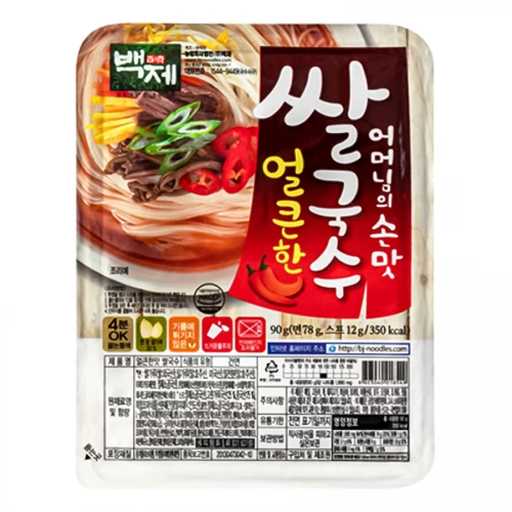
Why This Fits Their Persona: Ideal for students, professionals, or anyone who wants a quick, flavourful, hot meal without the fuss. These instant noodles are a complete meal in a convenient cup.
You don't have to worry about the right noodle-dish pairing. Everything is in the package, including the seasoning, for a guaranteed flavourful result.
Ready in 4 minutes with hot water. The rice noodles offer a lighter texture than traditional wheat noodles.
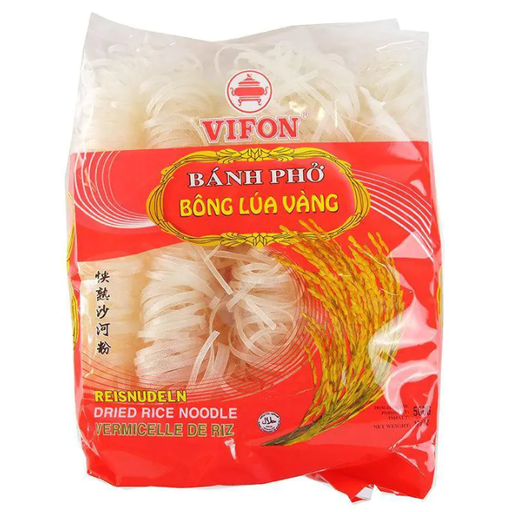
Why This Fits Their Persona: For the home cook who wants to create an authentic bowl of Vietnamese pho. These Vietnamese noodles are specifically designed for soup, providing the right soft yet firm texture.
Avoids the 'wrong texture' trap. These noodles are wide and firm enough not to turn mushy in hot broth, unlike thinner vermicelli.
Made from quality rice for a pure flavour. The 5mm width is the traditional size for an authentic pho experience.
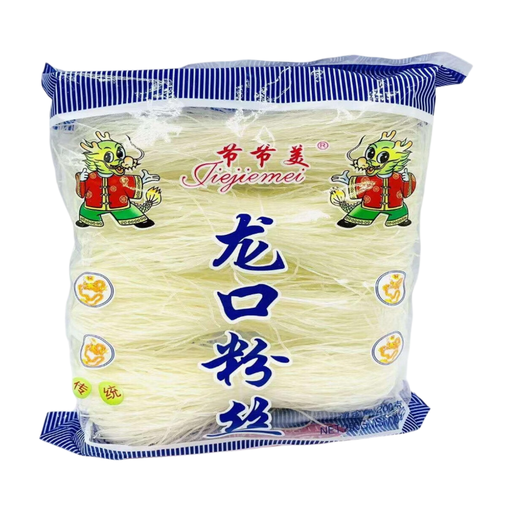
Why This Fits Their Persona: A reliable choice for anyone on a strict gluten-free diet. These glass noodles are made from peas and mung beans, so they contain no rice or wheat.
Bypasses the 'hidden gluten' trap. While some rice noodles may contain traces of wheat, these noodles are naturally 100% gluten-free due to their legume starch base.
They turn transparent and springy after cooking. They are highly versatile and hold their texture well in soups, salads, and hot pot.
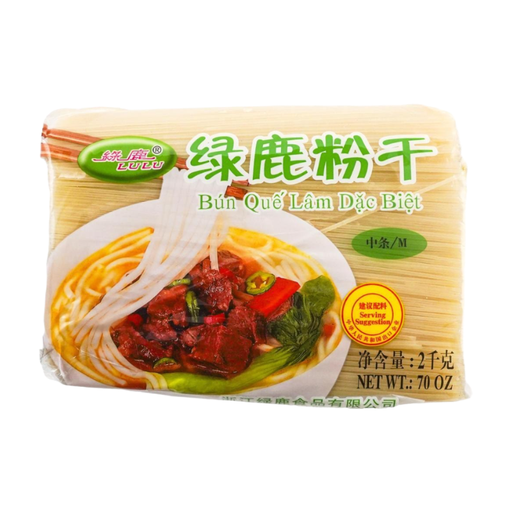
Why This Fits Their Persona: Perfect for large families, avid home cooks, or small restaurants. This value pack ensures you always have a versatile base for Asian dishes on hand.
You won't overpay for small, inconvenient packages. A bulk pack is more cost-effective and ensures you don't run out of your favourite noodles quickly.
Made from 85% rice, which provides a pure flavour and soft texture. This rice vermicelli is versatile enough for soups, salads, and stir-fry dishes.
We have compiled a complete, up-to-date list of products that fully meet these strict selection criteria and current regulations.
The only way to be certain is to check the ingredients list. Look for products that contain only rice and water, or noodles made from mung bean, potato, or tapioca starch. Be wary of terms like "wheat starch" or "modified starch" without specification, as these may contain gluten.
Rice noodles are made from rice flour and remain opaque white after cooking. They have a soft texture. Glass noodles are made from other starches (like mung bean) and become translucent and springy after preparation, hence the name. They have a more 'slippery' and chewy bite.
A simple and effective method is to rinse the noodles with cold water immediately after cooking. This stops the cooking process and washes away the excess starch that causes sticking. If you plan to use the noodles later, for example in a stir-fry, you can mix in a small dash of (sesame) oil after rinsing.
