
Vandaag of morgen in huis

Kwaliteit gegarandeerd

Welkomstaanbiedingen ontgrendelen: GRATIS bezorging | Tot 80% korting | Gratis 30 dagen JoyPlus-proefperiode
Download de app
The Asian noodle aisle can be overwhelming. From thin, white strands to thick, brown varieties, the selection is vast. But how can you be sure you're choosing the right noodles for your dish, diet, or taste? Many packages promise more than they deliver. As a Joybuy Product Recommendation Officer, I'll help you see through the marketing jargon and make an informed choice.
Before you fill your shopping cart, it's wise to consider a few common pitfalls:
buckwheat noodles contain more wheat than buckwheat, which is misleading for those seeking the specific benefits and flavour of buckwheat.somen noodles can turn mushy in a hot stir-fry, while thick noodles take too long for a quick soup. The difference between instant noodles and traditional dry noodles that require a longer cooking time is also not always immediately clear.gluten-free noodles or vegetarian noodles unnecessarily difficult.To avoid a bad purchase, you can look for a few objective characteristics. These specifications provide a much clearer picture of the quality and suitability of the noodles than the marketing claims on the packaging.
The foundation of every noodle is the flour. The type of grain used determines the flavour, texture, and nutritional value.
Chinese noodles. It provides a neutral flavour and a springy texture. Varieties like whole wheat pasta or noodles made from durum wheat offer more fibre.gluten-free noodles or variety. Corn noodles, for example, have a slightly sweet taste and a firm bite.Many instant noodles are deep-fried to shorten cooking time and extend shelf life. However, this process adds unnecessary fat and calories. Non-fried or air-dried dry noodles are a lighter alternative. They require a slightly longer cooking time but retain a purer flavour and a more pleasant texture. This is an important distinction for those looking for healthy noodles.
The shape of the noodle determines its application.
stir-fry noodles.Based on clear product specifications, we have selected a number of noodles that suit different needs and cooking styles.
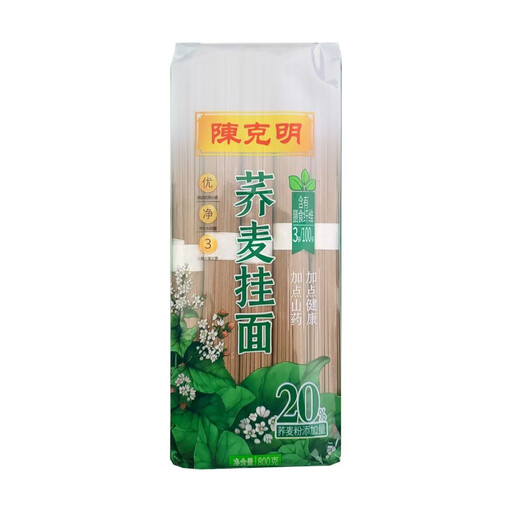
Why This Fits Their Persona: This person is looking for nutritious alternatives to standard wheat noodles. The focus is on pure ingredients and clear nutritional value, without unnecessary additives.
The ingredient list explicitly states a content of ≥50% buckwheat flour. This avoids the pitfall of misleading "buckwheat" labels where wheat is the main ingredient.
High buckwheat content for an authentic, nutty flavour. Low in fat (1.7g per 100g) and non-fried.
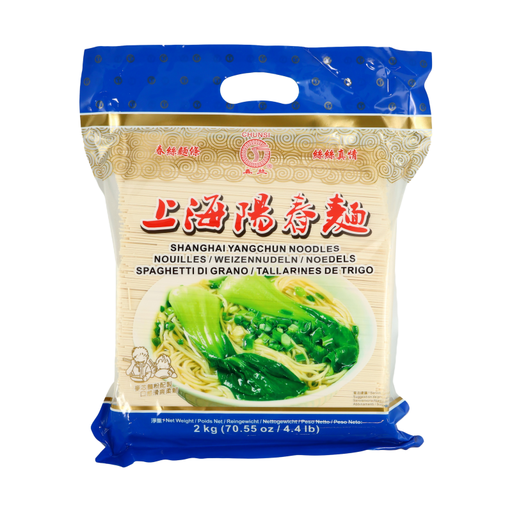
Why This Fits Their Persona: For families, a large, affordable, and versatile supply is a lifesaver. These noodles need to be quick to prepare and suitable for a wide range of tastes and dishes, from soup to stir-fry.
These are classic dry noodles with clear cooking instructions (4-5 minutes). There's no confusion with instant varieties. The ingredients are simple (wheat flour, water, salt), so there are no hidden additives.
Large 2 kg value pack. Highly versatile for various Chinese noodle dishes and has a quick cooking time.
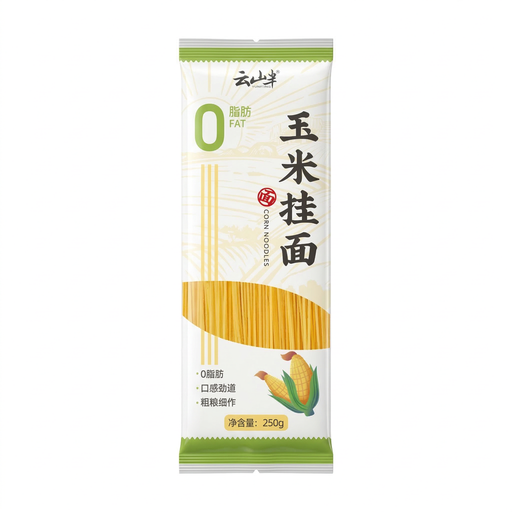
Why This Fits Their Persona: This cook is specifically looking for gluten-free noodles without compromising on texture. A clear ingredient list is an absolute must.
The ingredient list is short and clear: corn flour, water, and salt. No wheat is used, making it a reliable gluten-free option and avoiding the pitfall of hidden allergens.
Made from 100% corn flour, which provides a pleasantly chewy and smooth texture. According to the manufacturer, Yun Shan Ban, they are fat-free.
We've compiled a complete, up-to-date list of products that meet these selection criteria.
1. What is the difference between Chinese noodles and Italian pasta? The main difference is often in the ingredients and preparation. Many traditional Italian pastas are made from durum wheat, water, and sometimes egg. Asian noodles have a wider variety of flours, such as rice, buckwheat, or mung bean flour. Eggs are used less frequently. Also, the dough for noodles is often stretched, which gives a different texture than pressed pasta dough.
2. How do I store an opened package of dry noodles? Dry noodles last longest if you store them in an airtight container or jar after opening. Place it in a cool, dry, and dark place, like a pantry. This prevents moisture or pests from affecting the noodles and helps them retain their texture.
3. Are buckwheat noodles (soba) always gluten-free? No, this is a common misconception. Most buckwheat noodles you find in stores contain a mix of buckwheat and wheat flour. Wheat is added to make the noodles more resilient and less brittle. If you are on a strict gluten-free diet, look specifically for packages that state "100% buckwheat" or have a certified gluten-free logo. Always check the ingredient list.
