
当日/次日达

品质保障

开启新人专享福利: 全场免邮 | 低至 2 折 | 免费试用 30 天 JoyPlus 会员
下载 Joybuy
The Asian noodle aisle can be overwhelming. From thick udon to paper-thin rice vermicelli, the choices seem endless. Whether you're looking for a quick meal or the perfect base for an authentic dish, it's easy to make the wrong choice. As a Product Recommendation Officer at Joybuy, I often see where things go wrong. Let's explore a few common pitfalls so you can confidently buy the right noodles next time.
To avoid a bad purchase, it's helpful to focus on a few objective characteristics. These specifications will help you find the right noodle for your culinary needs.
The main ingredient determines the noodle's flavour, texture, and best use.
A noodle's shape isn't just for aesthetics; it serves a distinct purpose.
stir-fry noodles) have a large surface area, which helps sauce cling to them. This makes them a popular choice for stir-fry dishes.To get you started, we've selected a few noodles that suit different home cooks and occasions. These choices are based on their product specifications and intended use.
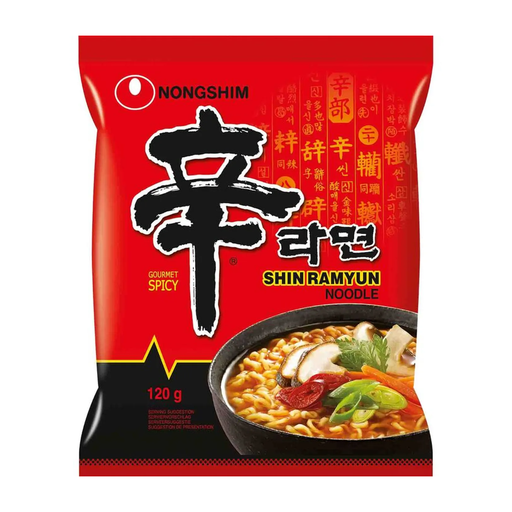
Why This Fits Their Persona: For those who are short on time but still want a flavourful, hot meal. These iconic Korean noodles offer a quick solution for lunch at the office or a late-night meal at home.
This isn't just some generic "instant meal". Shin Ramyun is known for its specific, spicy flavour profile and springy noodles, delivering the consistent quality you expect from this brand.
Ready in about 4–5 minutes. The broth is rich and spicy, flavoured with mushroom, carrot and onion.
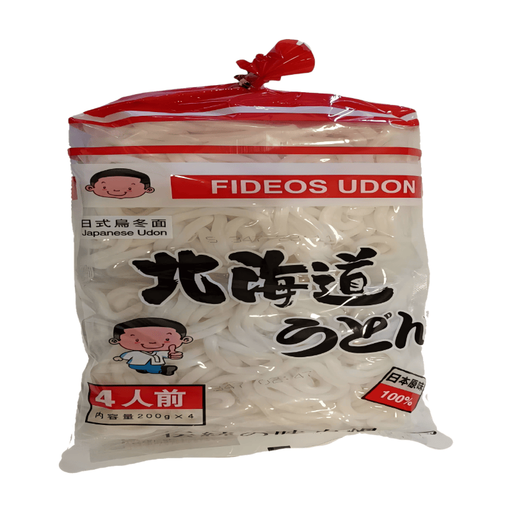
Why This Fits Their Persona: Ideal for those who love to create authentic Japanese noodle soups or hot pots from scratch. These udon noodles provide the perfect foundation for a dish where the noodle's texture is the star.
These noodles are specifically designed not to turn mushy. They avoid the pitfall of poor texture with their thick, firm, and chewy structure that holds up well in hot broth.
Made with wheat flour and wheat gluten for a rich wheat flavour and a firm bite. Does not stick together during cooking.
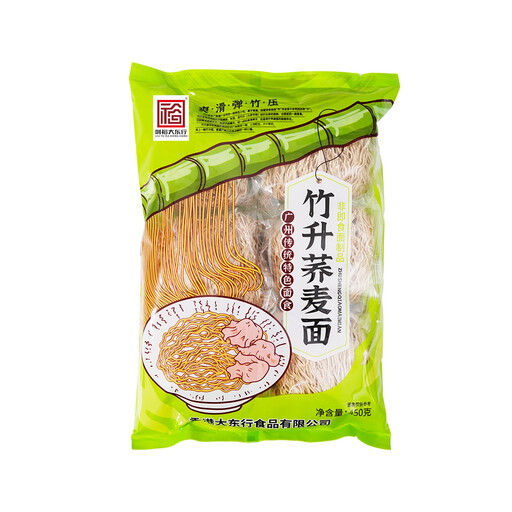
Why This Fits Their Persona: For those seeking a more nutritious option. These noodles are non-fried and contain buckwheat flour, making them an interesting addition to a health-conscious meal.
Many noodles, especially instant varieties, are deep-fried. This product bypasses that pitfall by using a non-fried production process, resulting in a lower fat content.
Contains 5% buckwheat flour for a light, nutty flavour. Suitable for soups, cold salads or mixed noodle dishes.
The right type of noodle can make or break your dish. Whether you're looking for a quick meal or an authentic base, there's always a perfect choice waiting for you.
1. What is the difference between Chinese noodles and Japanese ramen noodles? While both are typically made from wheat, the key difference lies in an ingredient called kansui. This is alkaline water that gives ramen noodles their characteristic yellow hue and springy, firm texture. Chinese noodles have a broader range of textures, depending on whether they contain egg and how they are produced.
2. How should I store an opened package of dried noodles? Dried noodles are best stored in an airtight container in a cool, dry, and dark place, such as a pantry. This protects them from moisture and pests and helps preserve their texture.
3. Are rice noodles always gluten-free? Pure rice noodles, made from only rice flour and water, are naturally gluten-free. However, it's always wise to check the ingredient list. Sometimes, other flours or additives are used, or they are processed in a facility that also handles wheat, which can lead to cross-contamination. Look for an explicit "gluten-free" label if you have celiac disease or a severe gluten intolerance.
