
Livraison le jour même et le lendemain

Qualité garantie

Débloquez vos offres de bienvenue: Livraison GRATUITE | Jusqu'à -80 % | 30 jours d'essai gratuits à JoyPlus
Téléchargez l'application
Asian mushroom noodles come in far more varieties than just ramen. You’ll find dried wheat noodles, instant mushroom noodles, shiitake noodles, glass noodles and konjac-based alternatives. The differences are not limited to flavour: preparation time, ingredients, serving size and nutritional value also vary.
However, focusing mainly on attractive packaging or words such as “umami” and “mushroom” can lead you to choose a product that does not suit the way you intend to use it. So be aware of these common pitfalls.
A product’s packaging may promise a shiitake or mushroom flavour, while the mushroom only appears as an extract, powder or flavouring in the seasoning mix. So check the ingredients list and the quantitative ingredient declaration. For example, Bai Xiang Classic Shiitake Chicken Soup Noodles lists 3% shiitake mushroom. Other products only mention “mushroom extract”.
“Mushroom” also does not automatically mean vegetarian. Chicken and mushroom-flavoured noodles may contain chicken, chicken fat or stock made with animal-derived ingredients. Always check the full ingredients list.
Non-fried noodles are made differently from fried noodle cakes. This can be relevant when comparing preparation methods and nutritional values, but it does not in itself mean that the complete meal has a particular nutritional effect. Check the values per 100 grams and per serving, paying particular attention to fat, carbohydrates and salt.
With instant noodles, the sauce and seasoning sachets often provide a large proportion of the flavour and salt. You can choose not to add all the seasoning and include extra vegetables, tofu or egg instead.
A 680 or 780-gram family pack has a lower price per gram, but requires cooking and portioning. A cup or sachet is quicker, but uses more packaging material and is usually intended for one meal. So compare the price per serving, not just the price of the box.
According to the product information, a product such as Toyoung Youbaifa Vegetarian Noodles consists of wheat flour, water and salt. The noodles therefore do not contain mushroom according to the stated ingredients list, but they make a neutral base for homemade Asian noodle soup with shiitake, pak choi or tofu.
Check whether the noodles need to be boiled or only soaked in hot water. For stir-frying, it is practical to cook the noodles until they are around 80% done, drain them and rinse them briefly. This allows them to finish cooking in the wok without becoming soft too quickly.
For cups, check the water temperature and fill line. Yang Zhang Gui vermicelli, for example, requires water of at least 85 °C and around five minutes of soaking. According to the information provided, this product does not include a fork.
Wheat noodles usually contain gluten. Also check for soya, sesame, peanuts and egg. A product may also be made on a production line where other allergens are handled.
Compare the values per 100 grams:
According to the brands’ own product descriptions, certain varieties are marketed as vegan, vegetarian or suitable for a low-carbohydrate eating pattern. Always check the packaging, as recipes and labels can change.
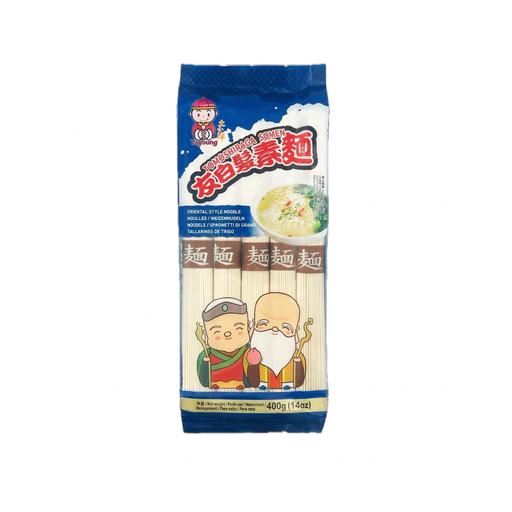
Why it suits this profile: A simple bag of dried noodles for anyone who wants to make their own soup, stir-fries or cold noodle dishes without several seasoning sachets.
The ingredients list is short and clear. Do note that the product information does not list mushroom as an ingredient, so add your own for the flavour you want.
400 grams of thin dried wheat noodles; suitable for soup, stir-fries and cold dishes.
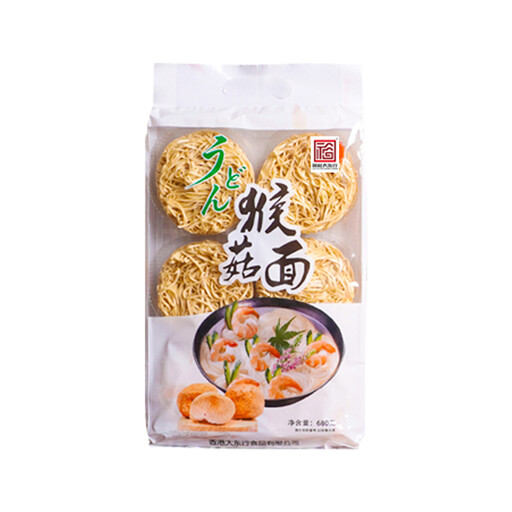
Why it suits this profile: The large pack is ideal for regular preparation and offers noodles containing lion’s mane mushroom powder according to the ingredients list.
The packaging states that it contains 1% lion’s mane mushroom powder. This makes it clearer which mushroom ingredient is used.
680 grams; cook for 4 minutes over high heat, then continue cooking; suitable for soup and stir-fries.
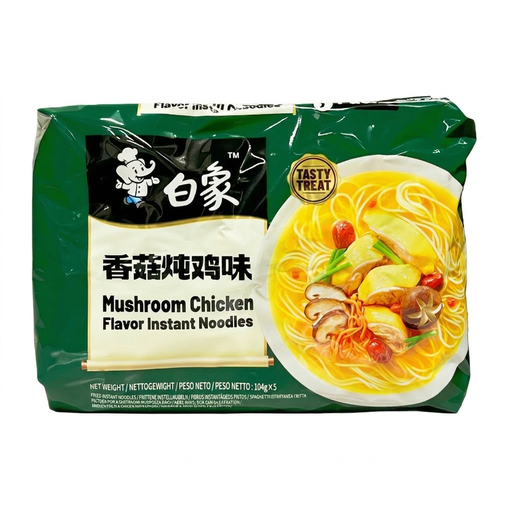
Why it suits this profile: For anyone who wants to keep several portions of instant ramen in stock and is looking for a combination of shiitake, chicken and vegetables.
The ingredients list states 5% chicken and 3% shiitake. This is not a vegetarian choice and also contains egg and soya.
Five individual 104-gram portions; soak in boiling water for approximately 4 to 5 minutes.
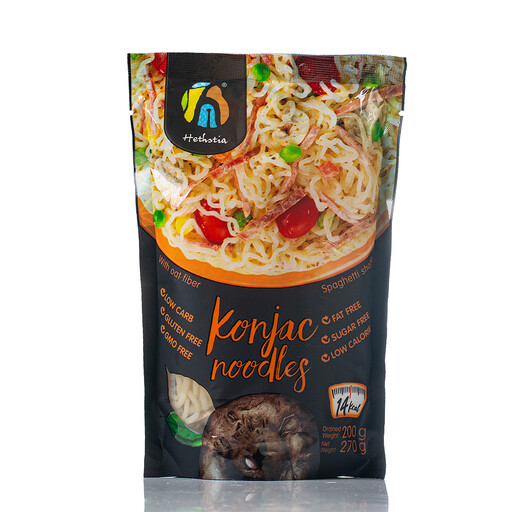
Why it suits this profile: This variety is intended for anyone looking for a konjac base for soup, stir-fries or pasta dishes and wanting to compare the values per 100 grams.
According to the label, the low value of 14 kcal per 100 grams applies to the product; the oats mean that it should not be considered gluten-free.
270 grams; cook for 2 to 3 minutes after rinsing; suitable for vegetarian dishes according to the product information.
We’ve put together a complete, up-to-date list of products that fully meet these strict selection criteria and the applicable European safety requirements.
Not always. Check whether the ingredients include chicken, chicken fat, fish, meat stock or animal-derived flavourings. A product with “chicken mushroom flavour” is therefore not automatically suitable for vegetarians. Also check for allergens such as wheat, soya, sesame, peanuts and egg.
Cook the noodles according to the instructions on the packaging in plenty of boiling water. For a stir-fry, you can cook them for slightly less time, drain them and then fry them with vegetables and sauce. For noodle soup, add the cooked noodles to the stock at the very end so they retain their texture more effectively.
Store dried noodles in a cool, dry cupboard and seal the pack carefully. According to the product information, opened konjac noodles should be kept refrigerated and used within two days. For instant cups and sachets, consume immediately after preparation. Always check the date and instructions on the packaging for the exact shelf life.
