
Vandaag of morgen in huis

Kwaliteit gegarandeerd

Welkomstaanbiedingen ontgrendelen: GRATIS bezorging | Tot 80% korting | Gratis 30 dagen JoyPlus-proefperiode
Download de app
Asian milk drinks come in many forms: ready-to-drink soya milk, soya milk powder, matcha milk, coconut milk and instant milk drinks. This can make comparing them tricky. A packet with words like “protein”, “calcium” or “premium” doesn’t tell you much about the taste, ingredients or how easy it is to use.
Pay particular attention to three common pitfalls:
Ready-to-drink soya milk can be drunk straight away, cold or sometimes lukewarm. Vitasoy and Joyoung, for example, offer small packs that are suitable for breakfast, on the go or with a bowl of cereal.
Soya milk powder needs to be prepared with water. The advantage is a longer shelf life and often individual sachets. Do check how many grams of powder and how much water are needed. The instructions vary from product to product.
Coconut milk is usually an ingredient for Thai and Southeast Asian dishes. The fat content gives an indication of the creaminess, but not the sweetness. A variety with 17–22% fat is often suitable for curries and rich sauces; a variety with 5–7% fat can be lighter for soups, smoothies or desserts.
Matcha milk is an instant powdered drink containing tea, milk solids and often sugar. Check whether the product should be mixed with water or cold milk, and whether it’s suitable for an iced matcha.
With plant-based milk, “plant-based” doesn’t automatically mean the product is free from all animal ingredients. For example, the product information for Gold Kili Milk Tea lists milk solids among the ingredients. With Go-Tan Coconut Milk, milk is listed in the allergen information. So always read the label before buying, especially if you have an allergy or follow a vegan diet.
For soya products, soya is a relevant allergen. The ingredients may also include sugar, maltose syrup, fructose, salt or stabilisers. So don’t just compare the name “soya milk”, but also:
The nutritional values below are product data as stated for the relevant items. Always check the packaging before consumption, as labels or recipes may change.
An instant milk drink is only practical if the powder dissolves well. YON HO Unsweetened Soy Milk Powder, for example, requires you to first make a smooth paste with warm water and then top it up. Joyoung Original Grind Soy Milk Powder can be prepared with warm or room-temperature water, according to the product information.
Once opened, ready-to-drink soya milk usually needs to be refrigerated and used within 24 hours. Powder must be stored dry, tightly sealed and away from heat and moisture. Canned coconut milk can naturally separate or solidify; shaking or stirring helps to make the texture smooth again.
For consumers in the Netherlands, the information on the label is also important. Check the contents, best-before date, instructions for use, origin and allergens, among other things. A European sales listing does not replace reading the packaging.
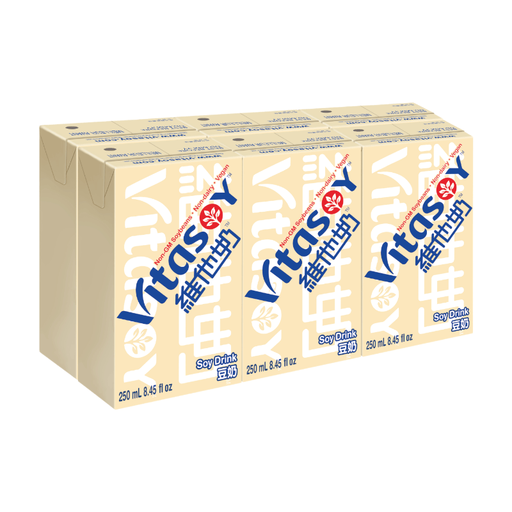
Why this suits the profile: Six 250 ml portions are a manageable way to try Chinese soya milk for the first time, and they’re ready to use straight away.
You don’t need to weigh out powder or use any extra equipment. The ingredients list states soya, sugar, calcium phosphate, salt and flavouring.
250 ml per carton, ready to drink and, according to the product information, suitable for cereal and desserts.
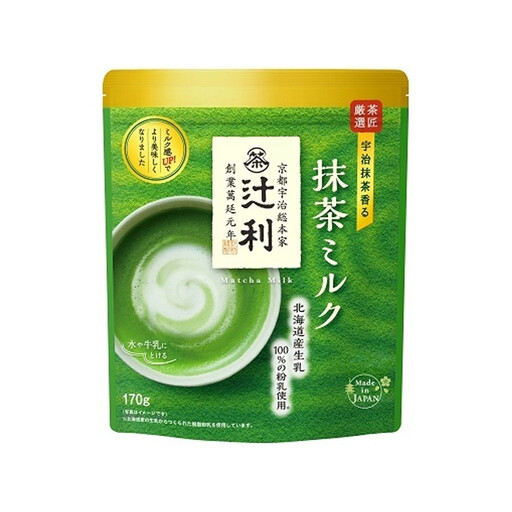
Why this suits the profile: Ideal for matcha milk lovers who want to make hot or cold drinks at home.
The product description explicitly states that the powder dissolves in water or cold milk. So the preparation method is clear before you buy.
According to the product information, it contains Uji matcha and Hokkaido milk powder and is suitable for iced matcha milk.
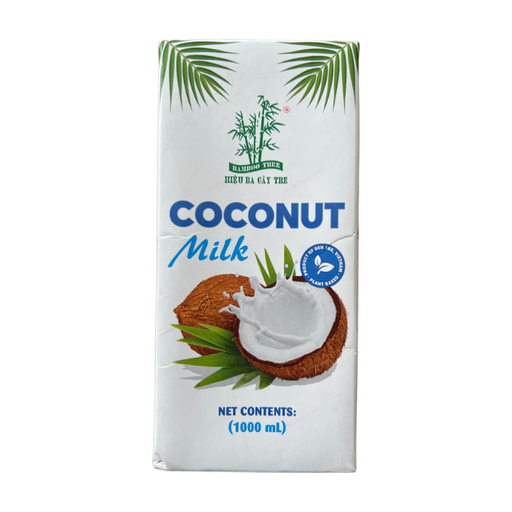
Why this suits the profile: A one-litre pack is ideal for regular cooking with coconut milk, for example in curries, soups and desserts.
The fat content of 17–19% is clearly stated. This means you can compare it with lighter coconut milk before you order.
It comes in 1-litre UHT packaging and contains coconut extract, water, thickeners and emulsifier, according to the product information.
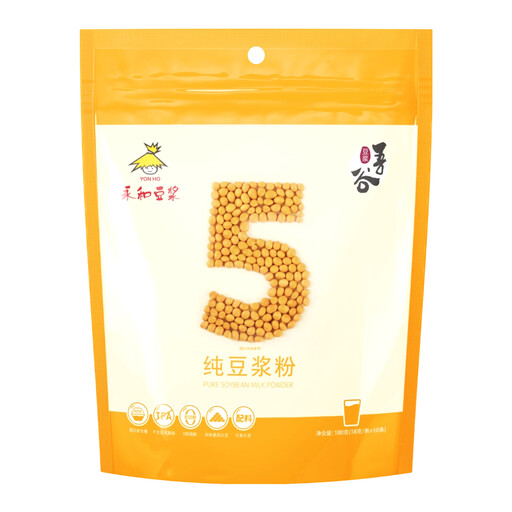
Why this suits the profile: Handy for anyone who wants to prepare soya milk as needed and also use the powder in smoothies or recipes.
The product information lists soya as the only ingredient. Do check the current label and be aware of the soya allergen.
The 180 g pack comes with preparation advice using approximately 180 ml of water. According to the product data, it contains 40 g of protein per 100 g of powder.
We’ve put together a full, up-to-date list of products that fully meet these strict selection criteria and comply with current European safety regulations.
That depends on the ingredients, nutritional values and your personal diet. In particular, compare the sugar, soya content and portion size. If you have an allergy, you must check the allergen information. A product labelled as plant-based milk may also contain ingredients other than those you expect.
Soya milk from a carton is ready to drink. Soya milk powder needs to be mixed with water and can often be stored unopened for longer. Powder is a flexible option for breakfast, smoothies and baking, but requires more attention to dosage and lump prevention.
Yes, but the result varies depending on the fat content and composition. Coconut milk with 17–22% fat generally gives a fuller texture in curries and desserts. For coffee, the taste and texture can be very different from regular milk. Also check the allergen information and the storage instructions after opening.
