
Vandaag of morgen in huis

Kwaliteit gegarandeerd

Welkomstaanbiedingen ontgrendelen: GRATIS bezorging | Tot 80% korting | Gratis 30 dagen JoyPlus-proefperiode
Download de app
Asian jelly snacks come in many forms: from drinkable jelly in a pouch to fruit jelly with pulp, jelly cups and soft jelly sweets. This wide range makes choosing fun, but also tricky. A striking packet doesn't tell you much about the taste, portion size or ingredients.
So pay particular attention to three common pitfalls:
Konjac jelly usually has a springy, smooth texture and is often sold as a drinkable jelly in a pouch. Products from Jelly B, for example, contain konjac powder and are available in flavours such as lychee, mango and peach. Always check the usage instructions and eat slowly. Jelly products are not intended to be swallowed in one go.
Fruit jelly and jelly cups are thicker and are usually eaten with a spoon. They can contain fruit pulp, fruit purée or juice. The SHENG XIANG ZHEN fruit jellies come in individual 180g cups. That’s practical for home, the office or for sharing.
Jelly sweets are generally sweeter and firmer. WANT WANT QQ Soft Candy has a soft, chewy texture and, according to the product specification, contains 51.9g of sugar per 100g. This is more of a sweet treat than a light fruit jelly.
Always compare products on the same basis. A 150ml portion may seem small, but a multipack of six cups can weigh over a kilo in total.
Here are some examples from the product specifications:
A low energy value doesn’t mean a product is suitable for everyone. Some konjac jellies contain sweeteners such as erythritol, sucralose or acesulfame-K. If you’re sensitive to certain sweeteners, it’s a good idea to read the full ingredients list.
The origin can help you choose a particular style:
Also check for allergens. The Keumkang and Jelly B konjac products do not list any allergens that, according to the product information, must be declared. The yoghurt variant does contain milk ingredients. Konjac snacks with savoury flavours may contain soya, wheat or sesame.
Store the snacks according to the label. Many ambient products should be kept cool and dry, away from direct sunlight. Once opened, a product should usually be sealed properly and used within the stated time. With cups and pouches, also check for a damaged seal.
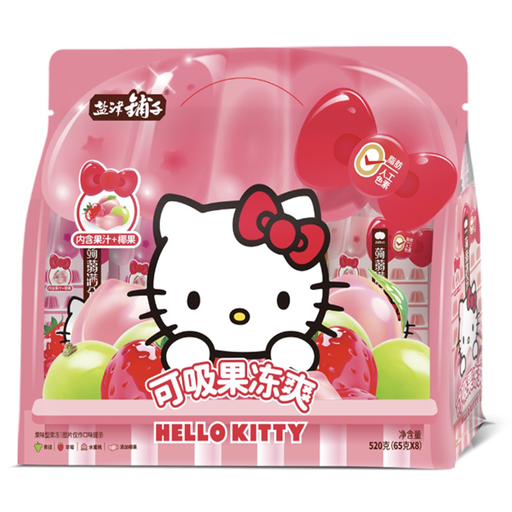
Why this fits the profile: The assorted pack combines peach, strawberry and green grape flavours. At 520g, it’s a handy introduction to drinkable jelly without buying several large boxes straight away.
The three flavours mean you’re less reliant on one uncertain taste. The nutritional value and ingredients are listed per variant, so you don’t have to rely solely on the packaging.
Three fruit varieties, 2% nata de coco and 56 kcal per 100g according to the product specification.
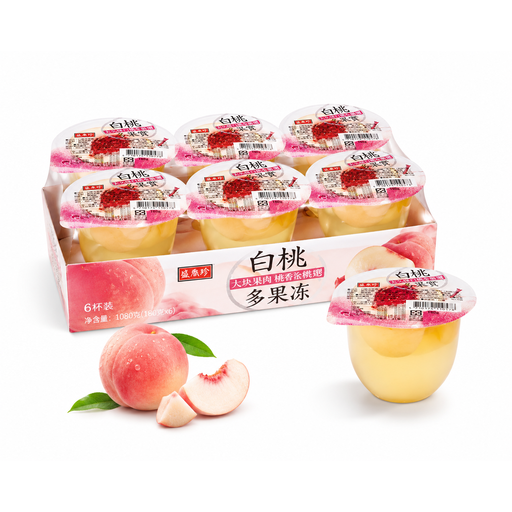
Why this fits the profile: This Taiwanese jelly uses 8% white peach according to the product information and contains pieces of fruit. The individual cups are suitable as a chilled dessert or for serving to several people.
The stated fruit percentage and portion size give you more certainty than just a fruit image on the packet.
6 individual cups, pieces of white peach and 75 kcal per 100g according to the product specification.
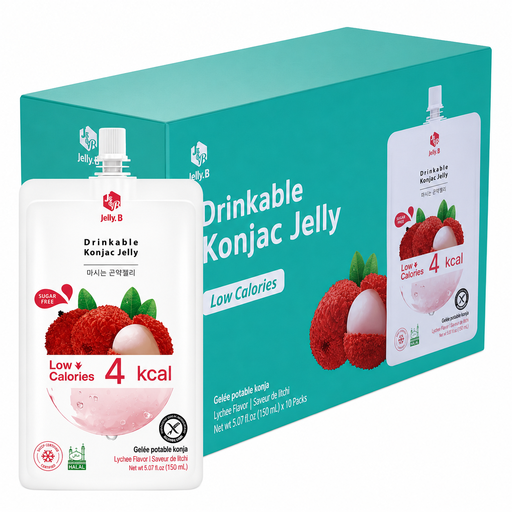
Why this fits the profile: The pack of ten portions is ideal for fans of Korean konjac jelly who regularly want to take a small drinkable jelly to work, study or on the go.
The portion size is clear: ten sachets of 150ml. According to the product specification, the jelly contains 3 kcal and 0g sugar per 100g.
Ten individual portions, lychee flavour and a konjac gel mixture according to the ingredients list.
We’ve put together a full, up-to-date list of products that fully meet these strict selection criteria and comply with current European safety regulations.
Fruit jelly is usually eaten as a solid jelly cup and can contain fruit pulp, purée or juice. Konjac jelly often has a smooth, springy texture and is frequently sold in a drinkable pouch. The ingredients list and nutritional value vary by brand and flavour.
Not always. Many ambient jelly cups can be stored unopened in a cool, dry place. Chilling can improve the taste and texture, but always follow the label for storage. Also check the best-before date and don’t use a cup if the packaging is damaged.
That depends on the product. Jelly can have a smooth or springy texture. So always let young children eat it sitting down and under supervision, give the jelly in small amounts and follow the warnings on the packaging. Do not cut or crush the product in a way that differs from the usage instructions.
