
Vandaag of morgen in huis

Kwaliteit gegarandeerd

Welkomstaanbiedingen ontgrendelen: GRATIS bezorging | Tot 80% korting | Gratis 30 dagen JoyPlus-proefperiode
Download de app
Asian jelly snacks come in many forms: soft konjac jelly, fruit jelly, jelly sticks and drinkable jelly. They differ significantly in flavour, texture, portion size, ingredients and nutritional values. A colourful packet, therefore, tells you very little about what you’re actually buying.
Pay particular attention to three common pitfalls:
Look at the ingredients list before you choose based on flavour or packaging. In a traditional fruit jelly, for example, sugar, fruit juice concentrate and a gelling agent often appear high on the list. The Orion Grape Kernels Jelly lists glucose syrup, sugar, concentrated grape juice and gelatine among its ingredients. The stated nutritional value is 330 kcal and 78 grams of carbohydrates per 100 grams.
In a konjac jelly, konjac powder, carrageenan or other gelling agents are often used. Products containing erythritol, sucralose or acesulfame-K may state on the label that they contain little or no sugar. Always check the current Dutch packaging, though; product composition and nutritional information can change.
Compare products on the same basis. A sachet of Orihiro Purunto Jelly Melon Soda 6 P 120g states 12 kcal per 20-gram portion. The golden pineapple variant states 14 kcal per 20 grams. That’s quite different from a product where the values are given per 100 grams.
For anyone looking for low-calorie jelly or sugar-free jelly, the stated figures are important. DELIEF Vegan Collagen Konjac Jelly Green Grape states 5 kcal and 0 grams of sugar per 100 grams. Jelly B Konjac Jelly Mango states 3 kcal per 100 millilitres and 0 grams of carbohydrates. These are details from the product information, not a general guarantee of suitability for a particular diet.
For school, work or travel, individually wrapped jelly sticks or squeeze pouches are practical. A sachet of 150 to 155 grams is suitable if you want to take a larger portion with you. A multipack with small portions can be more convenient for portion control and sharing.
With larger packs, also check the storage instructions. Many Asian jelly snacks can be stored unopened in a cool, dry place. Once opened, follow the instructions on the label. Eat jelly slowly and, with young children, be mindful of the texture and the instructions on the packaging.
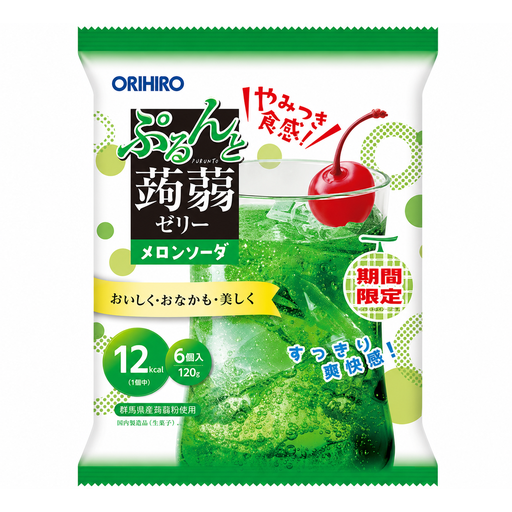
Why this fits the profile: The pack contains six 20-gram portions. This lets you try the Japanese jelly first without buying a large stock straight away.
The nutritional value is stated per individual portion: 12 kcal per 20 grams. That makes portion comparison easier than relying on the packaging alone.
Six individually wrapped portions, konjac powder in the ingredients list and a melon soda flavour.
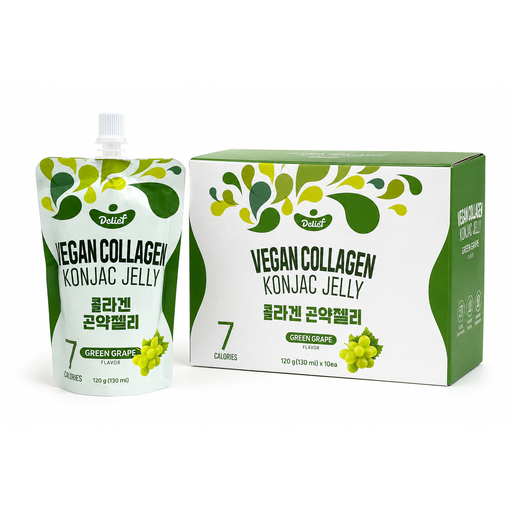
Why this fits the profile: This multipack is aimed at shoppers who value a clear ingredients list and a bulk pack.
The product information states 5 kcal and 0 grams of sugar per 100 grams. Check the packaging to see if these values still match.
Ten 120-gram packs, green grape flavour and a product description with no listed EU-14 allergens.
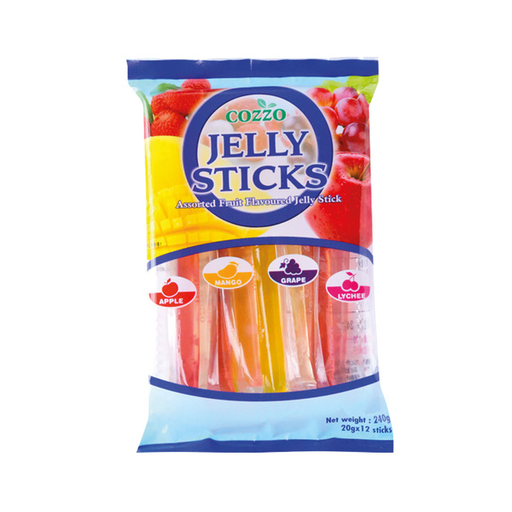
Why this fits the profile: Individually wrapped sticks are practical for keeping a stock in the office, for treats, lunchboxes and parties.
The packaging states the contents clearly: 12 sticks of 20 grams. The ingredients and nutritional values also make it clear that this is a sweet snack.
Four fruit flavours, 240 grams total weight and 104 kcal per 100 grams according to the product information provided.
We’ve put together a full, up-to-date list of products that fully meet these strict selection criteria and comply with current European safety regulations.
That varies from product to product. Konjac jelly with erythritol or other sweeteners can be low in calories according to the label. Fruit jelly with sugar or glucose syrup can be noticeably higher. Always compare the value per 100 grams and per portion. A smaller pack isn’t automatically lower in calories.
Konjac jelly contains konjac powder as part of the gelling agents and often has an elastic, chewy texture. Regular fruit jelly may consist mainly of water, sugar, fruit juice, pectin or other gelling agents. The exact texture varies by brand. So look at the ingredients list and preparation instructions on the packaging.
Store unopened products in a cool, dry place away from direct sunlight, unless the label says otherwise. Once opened, a squeeze pouch or pot should be sealed according to the packaging and sometimes kept refrigerated. Check the best-before date before eating and don’t use any product with damaged packaging.
