
Vandaag of morgen in huis

Kwaliteit gegarandeerd

Welkomstaanbiedingen ontgrendelen: GRATIS bezorging | Tot 80% korting | Gratis 30 dagen JoyPlus-proefperiode
Download de app
Asian instant noodles are convenient for a quick meal, but not every pack suits every diner. The difference is not just about spiciness or brand name. Preparation method, portion size, allergens and the amount of chilli oil also determine how well a product fits into your kitchen routine.
The three most common purchasing pitfalls:
An instant noodle soup is usually designed to be prepared quickly by pouring over boiling water. A cup is convenient at the office, in a student room or while travelling, provided you have access to enough hot water.
With dry Chinese noodles, you generally cook the noodles separately and then add sauce or seasoning. This gives you greater control over the amount of sauce. Chongqing noodles and Dan Dan noodles are often served dry, with oil, sesame paste, soy sauce and chilli. Ramen, by contrast, is usually eaten with broth.
Check the label for:
Wheat is commonly used in ramen, Lanzhou noodles, knife-cut noodles and many Korean instant noodles. Also look out for soya, sesame, peanuts, egg, fish, crustaceans, mustard and celery. Online product information may differ from the packaging. Always read the physical label before purchase and consumption.
A short ingredients list does not automatically mean a product is better suited to you, but it does make it easier to customise a basic noodle with your own additions. According to the product description, Youbaifa vegetarian dry noodles contain wheat flour, salt and water. You can use them for soup, stir-fried noodles, cold noodles or hotpot.
Compare products per 100 grams, not just by pack size. In the supplied product information, salt levels vary considerably. The Jin Pai Chongqing Small Noodles, for example, list 3.13 grams of salt per 100 grams, while the Hefu Spicy and Sour Thick Soup Noodles list 3.0 grams per 100 grams. That does not make the two products equivalent: one is a dry preparation with several flavour components, while the other contains broth.
Do not automatically use all the oil or seasoning sachets. Start with a portion and add more to taste. This helps prevent a spicy noodle variety from becoming too intense.
The following recommendations are based on verifiable information from the product descriptions, including weight, contents, preparation method, ingredients and nutritional values.
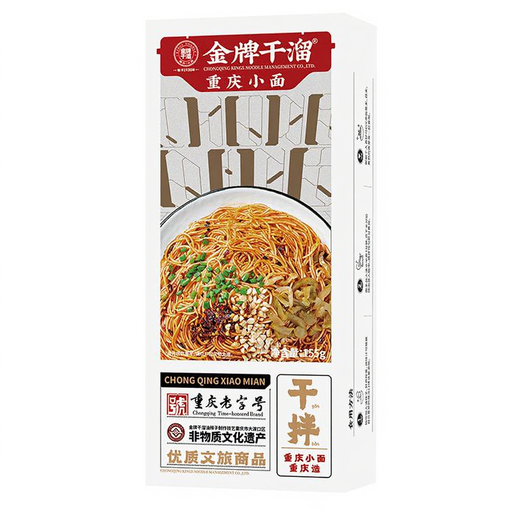
Why it suits this profile: A single serving is a manageable way for anyone trying Chongqing noodles for the first time. The product description states that it takes 2 to 3 minutes to boil, followed by mixing with the flavour sachets.
The portion size and preparation method are clearly stated. You do not need to commit to a large noodle multipack straight away.
155 grams per pack, several flavour sachets and a dry preparation with noodles that, according to the description, retain a firm texture.
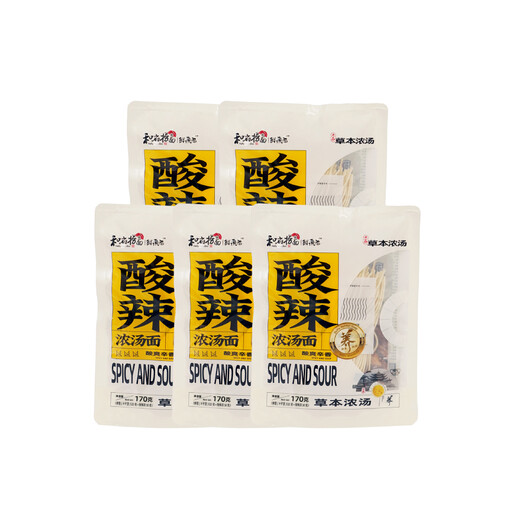
Why it suits this profile: The five individual 170-gram portions are ideal for households that regularly want to prepare a substantial noodle soup without gathering separate ingredients.
This is not a product that is simply soaked in hot water: you boil the noodles for 3 to 5 minutes and heat the broth separately.
850 grams in total, five portions and semi-dried noodles with a separate hot-and-sour broth.
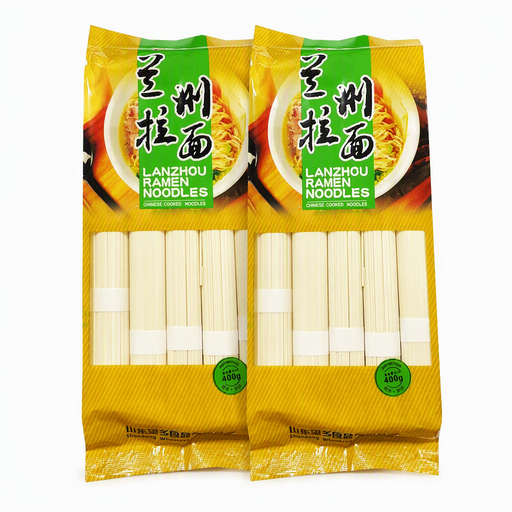
Why it suits this profile: If you prefer to choose your own broth, vegetables or stir-fry sauce, these Lanzhou noodles provide a neutral base for several meals.
The pack contains dried noodles only. You are not paying for a flavour profile you may not use.
800 grams in total, three ingredients according to the product information, and suitable for soups, stir-fries and hotpot.
We have compiled a complete, up-to-date list of products that fully meet these strict selection criteria and the applicable European safety regulations.
Store unopened noodles according to the instructions on the packaging, in a cool, dry place away from moisture and direct sunlight. Do not use a pack if it is damaged. For large bags of dry noodles, an airtight storage container is practical once the packaging has been opened.
Do not cook noodles for longer than necessary if you want to retain a firm bite. For soup noodles, it is best to follow the stated amount of broth; with dry noodles, you will usually need to drain the cooking water completely before adding the sauce. Add fresh vegetables, egg or tofu only at the end to prevent the noodles from becoming too soft.
No. Korean ramen is available in a range of flavours, including vegetable, soya, chicken and spicy varieties. Check the ingredients and the flavour name. If in doubt, start by using only some of the chilli powder or oil.
In supermarkets, ramen often refers to Japanese or Korean instant noodles, usually served with broth or a sachet of sauce. Chinese instant noodles cover a broader group, including Chongqing noodles, Sichuan noodles, Lanzhou noodles and vermicelli. Preparation methods vary: some are eaten as soup, while others are mixed and served dry.
Always check the best-before date on the packaging. Store the product in a cool, dry place. Once opened, loose dried noodles are best kept in an airtight container. Ideally, eat prepared noodles immediately; follow the label instructions when storing leftovers.
