
Vandaag of morgen in huis

Kwaliteit gegarandeerd

Welkomstaanbiedingen ontgrendelen: GRATIS bezorging | Tot 80% korting | Gratis 30 dagen JoyPlus-proefperiode
Download de app
Asian instant noodles are a convenient way to enjoy a quick Asian meal, but the range varies considerably. For example, a cheap pack may contain very little sauce, while a large box is not automatically good value if you dislike the flavour. Preparation methods and portion sizes are also not always compared like for like.
The most common purchasing pitfalls are:
First, decide which flavour you are looking for. Korean ramen is often spicy and highly seasoned, while Chinese instant noodles range from sesame-rich Dan Dan sauce to málà with Sichuan pepper. Thai noodles often have a sweet-and-sour or savoury profile.
Pay attention to the type of product:
With spicy noodles, a separate sachet of chilli oil is useful. It allows you to adjust the amount more precisely. For example, the product description for A Kuan Red Oil Broad Noodle mentions separate sachets of oil, powder and vinegar.
A product described as “ready in a few minutes” may still require a pan. Check the following:
According to the product information, Jinbai Wei Spicy Kung Pao Udon Noodles are prepared in the bowl with approximately 20 ml of water in a 700–800-watt microwave for 2–3 minutes. This makes the bowl product convenient for the office, but less suitable if you do not have access to a microwave.
Do not compare only the price per pack. Also calculate the price per 100 grams or per portion. A box of 30 sachets is appealing for an office, student accommodation or catering business, but only if the flavour suits several different users.
You should also check the label for allergens. The range includes ingredients such as:
The ingredients and allergens may vary between versions. Always check the current packaging, even if you have previously bought a similar product.
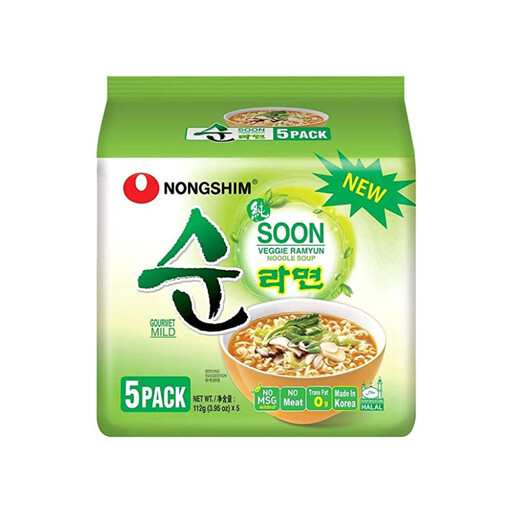
Why it suits this profile: A convenient five-pack for trying Korean instant ramen without immediately buying a large supply. The product information describes it as a vegetable version without meat products.
The five-pack limits the risk of making a costly bulk purchase you may not enjoy. However, check the listed ingredients and allergens; this version contains wheat and soya.
Five individual portions, preparation in just a few minutes and a vegetable profile according to the product description.
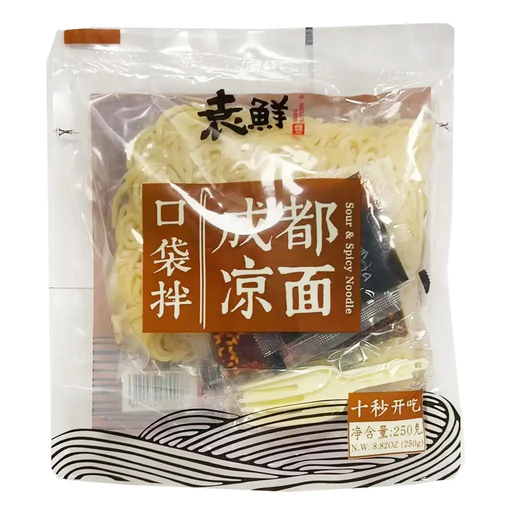
Why it suits this profile: For anyone looking for a regional Chinese noodle style rather than a standard noodle soup. According to the product description, the sauce combines chilli oil, vinegar, Sichuan pepper, garlic and peanuts.
The sauce and toppings are packed separately, so you are not relying solely on a powdered stock. The product can be mixed straight away; according to the description, cooking is not required.
Cold noodle preparation, 250 g contents and a distinct Sichuan-inspired flavour profile. Contains wheat, soya, peanuts and sesame.
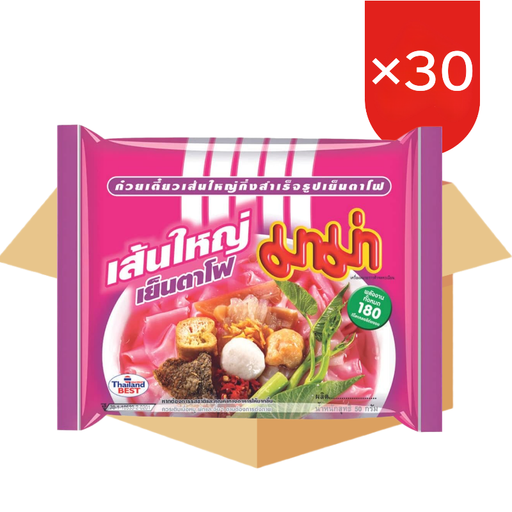
Why it suits this profile: A bulk pack for offices, shops, catering businesses or households where quick meals are prepared regularly.
The packaging states that it contains 30 individual 50 g portions. This makes the supply easy to distribute and allows you to calculate the price per portion.
Thai Yentafo flavour, flat rice noodles and a preparation time of 2–3 minutes. Contains soya, among other ingredients.
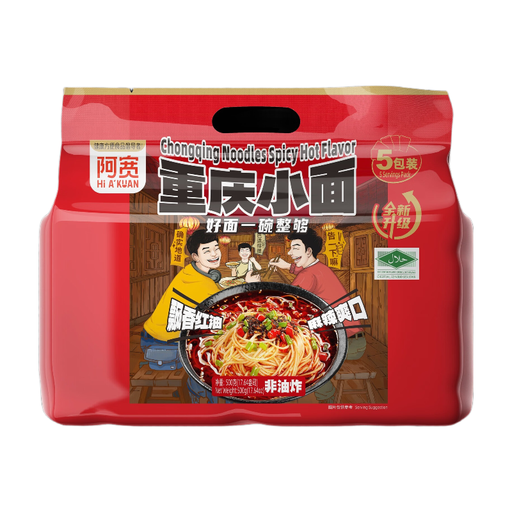
Why it suits this profile: The five portions are ideal for fans of Chinese málà flavours and anyone who wants to adjust the amount of chilli oil themselves.
The chilli oil, soup base and vegetables are packed separately. You can therefore build up the heat gradually instead of adding everything at once.
500 g divided into five sachets, a cooking time of approximately 3–4 minutes and separate chilli oil. Contains wheat and soya.
We have put together a complete, up-to-date list of products that fully meet these strict selection criteria and the applicable European safety regulations.
It depends on the product. Cup noodles and some bowl varieties are prepared with boiling water and left to stand for a few minutes. Other products, such as A Kuan Chongqing Noodles, need to be boiled in a pan and then mixed. Always follow the instructions on the packaging.
Unopened instant noodles will generally remain within their best-before date, provided they are stored in a cool, dry place away from direct sunlight. Check the packaging when your order arrives and do not use any product with damaged packaging. Once prepared, noodles are best eaten immediately.
Yes, especially multipacks with individual portions, which are practical for managing supplies. Compare the number of portions, the weight per pack, the storage space required and the allergens. For offices and catering businesses, a box containing 30 or 40 portions may be appealing; at home, a five-pack is often easier to try first.
