
Vandaag of morgen in huis

Kwaliteit gegarandeerd

Welkomstaanbiedingen ontgrendelen: GRATIS bezorging | Tot 80% korting | Gratis 30 dagen JoyPlus-proefperiode
Download de app
Buying Asian instant noodles seems simple: choose a flavour, compare the price and place your order. However, there are clear differences between instant ramen, Korean ramen, Mi Goreng noodles and bulk packs. A low price per unit means little if you choose a flavour that does not suit your preferences or if allergen information is missing.
This buying guide helps you distinguish marketing claims from verifiable product information. That way, you can find a quick meal for home, the office, student accommodation, catering or your cupboard.
A bag containing five portions may seem good value, but a box of 30 or 40 units could offer a lower price per portion. Therefore, check:
For high-volume users, instant noodles in bulk packs are practical. For a first taste, a five-pack multipack is often a more sensible size.
Spicy instant noodles are not all the same. Samyang Buldak ramen often combines a strong chilli flavour with a sauce, while Nongshim Shin Ramyun is based on a spicy broth containing ingredients such as garlic and dried vegetables. MAMA instant noodles may instead have a Thai-inspired, sour and aromatic flavour profile.
When choosing, look out for terms such as:
The precise level of intensity can vary from person to person. Brand descriptions of flavour are therefore not absolute facts, but an indication based on the product description.
Many instant noodles contain wheat and gluten. Depending on the flavour, the label may also mention soya, milk, celery, sesame, fish or shellfish. Always check the label on the packaging delivered to you. The actual packaging may contain more or different information than an online product page.
A standard portion in this range is often around 55 to 140 grams. A 55- or 60-gram sachet is suitable for a light lunch or snack. Varieties weighing 120 to 140 grams are more suitable when you want to prepare a larger meal.
Also check the preparation method:
Follow the instructions on the label and take care when handling boiling water.
Compare nutritional values per 100 grams and per portion. In the product information provided, for example, the values range from approximately 350 to 500 kcal per portion. Salt content also varies between recipes. Using only some of the seasoning mix can make the flavour less intense, but it does not automatically change the nutritional value of the full portion.
Nutritional information is not health advice. If you need to avoid specific ingredients because of an allergy, diet or other reason, it is best to check the current packaging.
Check that the following information is clearly stated:
An EU version may have different labelling or a different recipe from an imported variant. This does not automatically make a product more or less suitable, but it is relevant when comparing products.
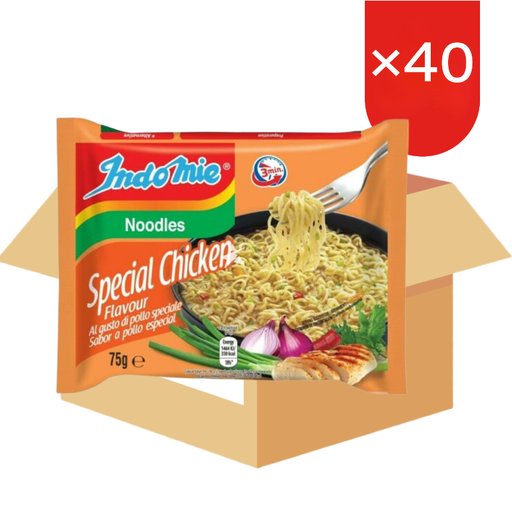
Why it suits this profile: The box contains 40 portions of 75 grams, making it suitable for students, families and households that regularly want a quick meal.
The large number of individual portions makes the price per portion easy to assess. The product information also lists allergens and nutritional values.
40 x 75 g, chicken flavour, EU version and suitable for stocking up or catering.
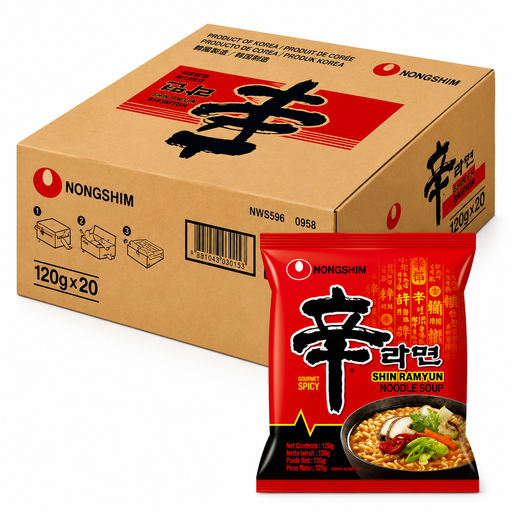
Why it suits this profile: The 120-gram sachets and preparation method using 500 ml of water are ideal for fans of Korean ramen with broth.
The product page specifies the preparation method, ingredients, allergens and nutritional values. This allows you to assess the product based on information rather than brand recognition alone.
20 x 120 g, spicy broth, dried vegetables and a preparation time of 4 to 5 minutes.
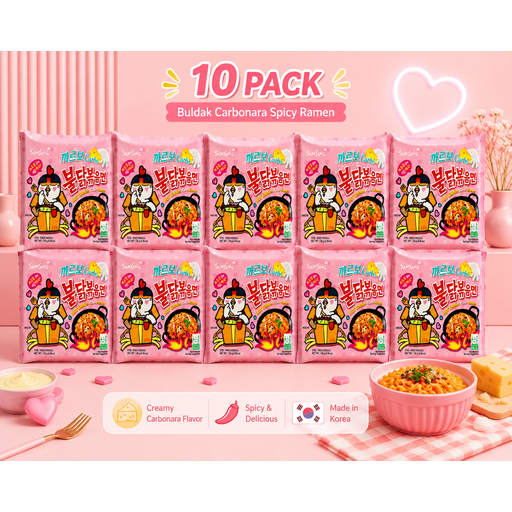
Why it suits this profile: This multipack is aimed at fans of the distinctive combination of spicy chicken, carbonara and a creamy flavour.
The flavour profile and 130-gram portion size are clearly described. However, always check the milk, soya and gluten information before ordering.
10 x 130 g, carbonara sauce, chicken flavouring and quick preparation.
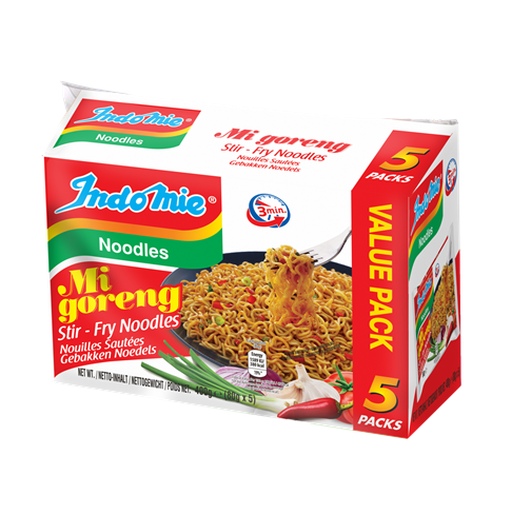
Why it suits this profile: After soaking, the noodles are drained and mixed with oil, seasoning, sweet soya sauce and chilli. This is ideal if you are not looking for a meal with broth.
The preparation method is clearly explained, allowing you to tell the difference between soup noodles and Mi Goreng before buying.
5 x 80 g, dry stir-fry preparation, sweet soya sauce and chilli in the seasoning mix.
We have put together a complete, up-to-date list of products that fully meet these strict selection criteria and the applicable European safety regulations.
Instant noodles are easy to customise. For example, add egg, spring onion, pak choi, tofu or leftover chicken. Cucumber, crispy fried onions and extra soya sauce go well with Mi Goreng noodles. With Korean ramen, you can adjust the amount of sauce or seasoning to suit your taste.
When choosing chicken instant noodles or prawn instant noodles, pay extra attention to the allergen information. A product with prawn flavour, for example, may contain shellfish proteins or a flavouring, so check the ingredients and warnings on the label.
Store unopened packs in a cool, dry place away from direct sunlight. Do not use a product if its packaging is damaged, and follow the storage and best-before information on the packaging.
Compare the flavour, portion size, preparation method, ingredients, allergens, nutritional values and number of packs. Also check whether you are buying an EU version or an imported variant.
The exact shelf life varies by product and batch. The best-before date or other relevant date is shown on the packaging. Store the noodles according to the stated storage advice and check the packaging when your order arrives.
They can be, especially if you eat noodles regularly or are buying for several people. Divide the price by the total number of portions and check that you will actually use the flavour often. A five-pack multipack may work out better value if you want to try a flavour first.
