
Vandaag of morgen in huis

Kwaliteit gegarandeerd

Welkomstaanbiedingen ontgrendelen: GRATIS bezorging | Tot 80% korting | Gratis 30 dagen JoyPlus-proefperiode
Download de app
Asian instant noodles are convenient for a quick meal, but comparing them online involves more than simply looking at the flavour on the front. A large pack may seem attractively priced, while the portions are small. Words such as “extra spicy”, “creamy” or “vegan” also do not always tell you enough about the ingredients, allergens and nutritional values.
This buying guide explains what to look out for before ordering Korean ramen, Japanese ramen, Thai instant noodles or cup noodles.
An instant noodle multipack often contains five, twelve, twenty or even twenty-four portions. Always compare:
A box containing 20 sachets may look like a lot, but it also takes up more storage space. For a student or a household that only eats noodles occasionally, a 5-pack may be more practical. If you regularly need a quick meal, a larger box may offer better value.
The description “spicy” is not a standardised measurement. According to the product description, Samyang Buldak Carbonara combines a creamy carbonara flavour with chilli and chicken flavouring. According to the product information, Nongshim Shin Ramyun has a spicy broth containing, among other ingredients, chilli and garlic. This does not mean that both products have the same intensity.
If you are unsure, start with a milder variety such as Ottogi Jin Ramen Mild. With very spicy ramen, you can use only some of the sauce or seasoning powder and add vegetables, egg or tofu to the bowl. Always check the instructions on the packaging.
Check the full ingredients list rather than relying only on the product name. Also look out for allergens such as:
The product information for Igarashi Seimen Yuzu Salt Ramen states that the product is plant-based and vegan, but always check the label again when buying. Recipes and packaging may change. According to the available product information, Samyang Buldak Carbonara products contain wheat, soya and milk, among other ingredients, and are therefore not suitable for a vegan diet.
The products in this range vary from approximately 60 to 140 grams per pack. A 130-gram sachet is not directly comparable with a 70-gram cup. Check the nutritional values per 100 grams AND per portion.
As a guide based on the product information:
These figures come from the product information provided. Check the packaging before consumption, particularly when comparing several products.
Korean ramen and Japanese ramen sachets are usually prepared in a saucepan. According to the product description, Nongshim Shin Ramyun requires approximately 500 ml of water and 4 to 5 minutes of cooking time. Most cup noodles are simpler: add boiling water up to the fill line and leave the cup for approximately 3 minutes.
Note the difference between:
Do not put a cup in the microwave unless the packaging explicitly says that it is suitable. According to the product information, the Nongshim K-Pop Demon Hunters cup noodles must not be heated in the microwave.
Start by choosing the flavour family that suits you:
According to the product information, MAMA Instant Shrimp Flavour Noodles have a prawn flavour with chilli and lime-like notes. This product contains gluten, soya, milk and crustaceans, among other ingredients. For vegan ramen, the ingredients and allergens are particularly important; a vegetable flavour is not automatically vegan.
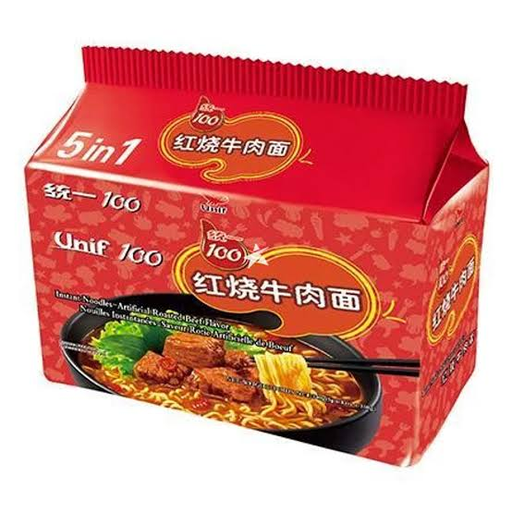
Why it suits this profile: A manageable 5-pack for anyone who wants to try Asian instant noodles without ordering a large box straight away. The braised beef flavour is a familiar savoury choice.
The packaging states that it contains five 100-gram sachets, making the total quantity clear. Allergens such as wheat and soya are listed in the product information.
5 × 100 grams, preparation in approximately 5 minutes and dried vegetables such as spring onion, carrot and cabbage.
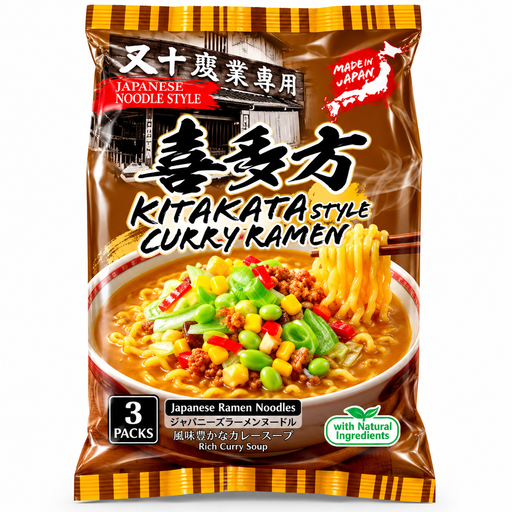
Why it suits this profile: For anyone who pays closer attention to noodle texture and is looking for a Japanese curry variety rather than a standard broth.
The product description mentions the non-fried preparation method and states the ingredients and wheat allergen. Check the vegan claim on the current packaging.
Japanese curry soup, 317 kcal per portion according to the product information, and suitable for adding tofu or vegetables.
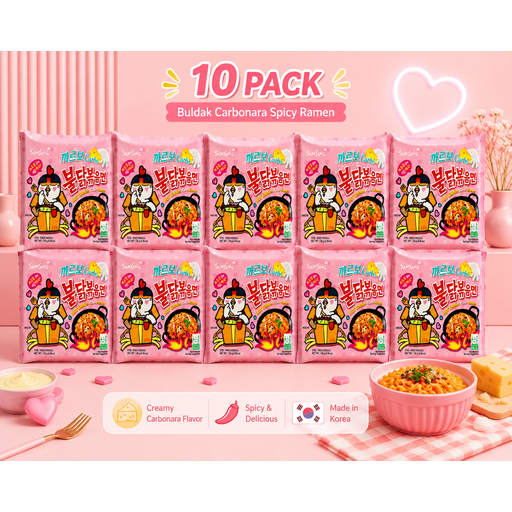
Why it suits this profile: A bulk pack for fans of a distinctive, creamy and spicy flavour who want to eat Buldak Carbonara regularly.
The pack contains ten 130-gram portions. The product information explicitly lists wheat, soya and milk, allowing you to check whether it suits your diet in advance.
10 × 130 grams, firm noodles according to the product description and separate sauce and powder mixes for a carbonara flavour.
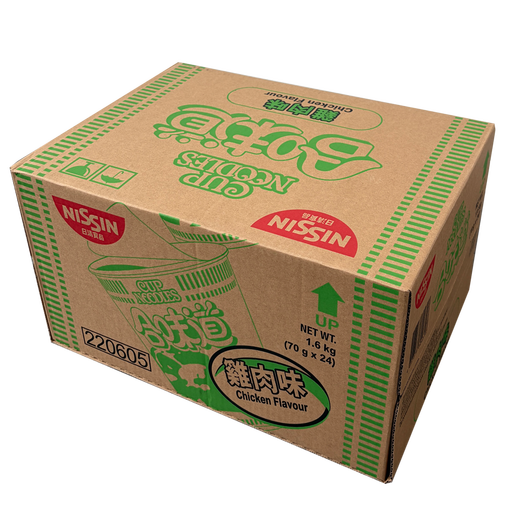
Why it suits this profile: The cup format is practical when you do not want to use a saucepan. Ideal for the workplace, student accommodation or a quick lunch.
The box contains 24 individual 70-gram cups. The 3-minute preparation time and the allergens wheat, soya, celery and mustard are listed.
24 cups, boiling water and an approximately 3-minute waiting time. The cup contains dried cabbage, spinach, carrot and sweetcorn.
We have put together a complete, up-to-date list of products that fully meet these strict selection criteria and the applicable European safety regulations.
Store unopened sachets and cups in a cool, dry place, away from direct sunlight and sources of heat and moisture. Check the packaging for damage and the best-before date. Once prepared, eat the noodles straight away. If in doubt, always follow the preparation and storage advice on the label; the information on the website may differ from that on the current packaging.
With cup noodles, you usually peel back part of the lid, add boiling water up to the fill line and close the cup. Leave the noodles to stand for approximately 3 minutes and stir well. Only use a microwave if the packaging explicitly permits it.
Shelf life varies by product and batch. The date is printed on the packaging. Store the noodles in a dry, cool place away from direct sunlight. Once opened, it is best to prepare and consume the contents straight away.
This depends on their tolerance for chilli and the ingredients. Spiciness is not indicated uniformly. For children, choose a mild variety, use less seasoning and check the allergens. Nongshim Shin Ramyun, Buldak Carbonara and Thai chilli varieties may be intense for some people.
